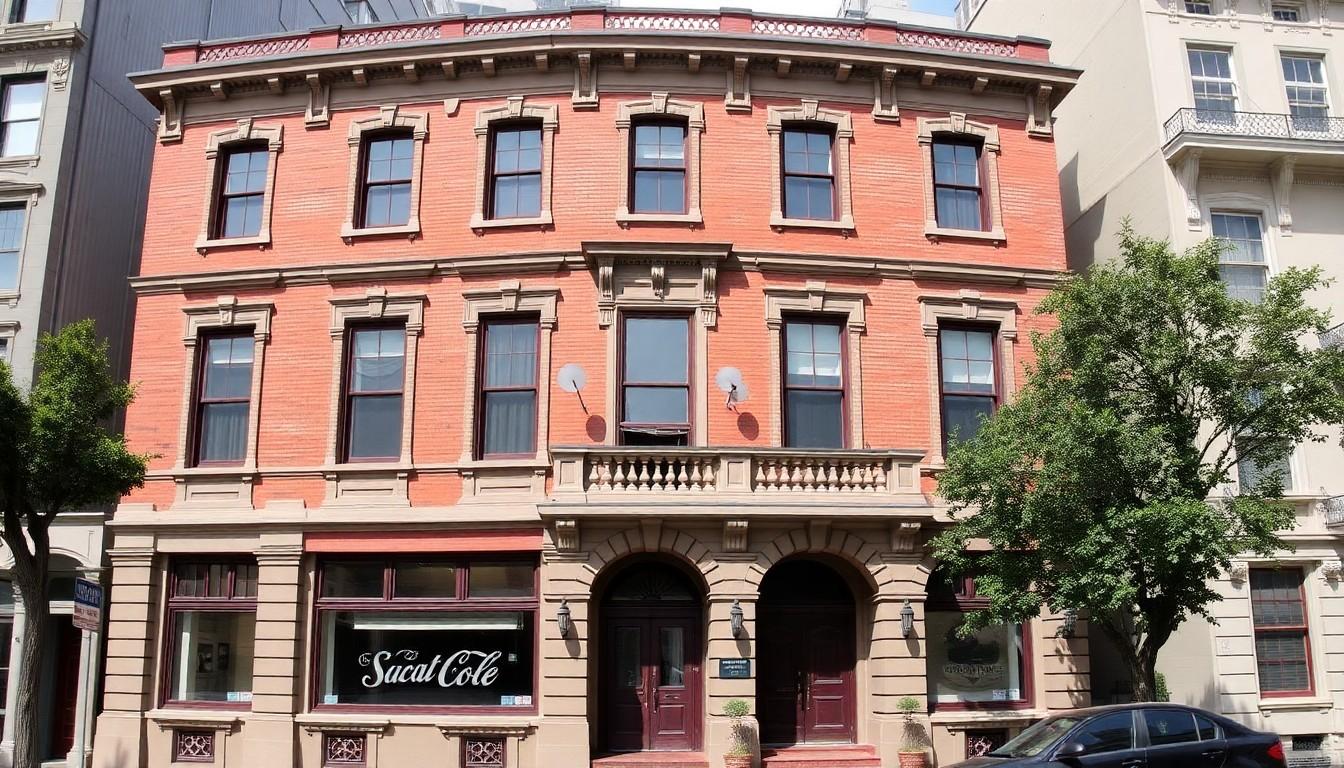
Shoppers are turning pages of the past as this brisk timeline maps LGBTQ+ San Francisco from 1901 to 1972, who fought, where people met, and why those flashpoints mattered; it’s a handy, human guide to the city’s shift from repression to public pride.
Essential Takeaways
- Early meeting spots: Union Square, Ocean Beach, the Embarcadero and Lower Market were known gathering places for men from the 1900s, with a discreet, risky atmosphere.
- Legal crackdown: California laws from the 1910s to the 1950s progressively criminalised same-sex intimacy and certain sex acts, creating a climate of fear and entrapment.
- Community organising: By the 1950s–60s groups like the Daughters of Bilitis, Mattachine Society and Tavern Guild created visible networks and advocacy.
- Cultural hubs: Venues such as the Sultan Baths, Finocchio’s, Mona’s, the Tool Box and Twin Peaks Tavern shaped gay and lesbian social life, each with a distinct vibe.
- Turning points: Compton’s Cafeteria riots, José Sarria’s political run and the early Pride gatherings signalled a shift from survival to visible protest and celebration.
How the city’s public spaces quietly hosted queer life
From the start of the 20th century San Francisco’s beaches, parks and piers had a clandestine hum to them, sand underfoot, furtive glances and the risk of police attention. City life offered meeting places long before legal protections existed, and those locations mattered because they were both social lifelines and targets for surveillance. As police practices hardened in the 1920s with a Parks and Squares Detail, routine walking or lingering in public could mean entrapment or arrest. If you’re studying the era, map the spots by decade, some stayed central, others shifted as neighbourhoods like North Beach and the Castro emerged as safer alternatives.
Laws, diagnoses and organised repression: why fear was structural
Across the decades lawmakers and psychiatrists reinforced each other: statutes forbade specific acts, and the American Psychiatric Association classed homosexuality as a disorder. That legal and medical framing gave police, employers and landlords licence to harass and marginalise people openly, not just tacitly. Knowing this helps explain why early organisations emphasised discretion and legal defence as much as social life. Practical note: when reading older records, remember many arrests weren’t about sex acts alone but vague “public decency” offences that let authorities arrest almost anyone.
Bars, baths and stages: where culture and community met
San Francisco’s social scene produced distinct venues that doubled as refuges and stages, Finocchio’s cabaret, Mona’s lesbian bar, the Sultan Baths, and later the Tool Box leather bar. These spots offered different atmospheres: theatricality at Finocchio’s, a cosy women’s space at Maud’s Study, the tactile camaraderie of leather bars. Venues also became political actors, bar owners organised the Tavern Guild to defend businesses and patrons against raids. If you’re curious about the sensory side of the story, picture smoky rooms, piano bars, painted stages and the cautious thrill of being seen.
From early activism to visible politics: organising changed the game
The Daughters of Bilitis and the Mattachine Society wired small groups into a national conversation, using newsletters, legal challenges and social events to build power. San Francisco’s queer press and community centres created a public voice that could respond to raids, discrimination and police bribery scandals. José Sarria’s run for office in 1961 and the creation of hotlines to report police brutality were not symbolic gestures; they proved a voting bloc and a civic presence. Advice for readers: trace organisational histories to understand modern advocacy, today’s rights were built on years of local campaigning and incremental wins.
Riots, liberation and the first public Pride moments
Resistance became unmistakable by the late 1960s: Compton’s Cafeteria saw transgender patrons fight back against police harassment, and groups like the Gay Liberation Front staged noisy, public protests. Events such as “Friday of the Purple Hand” and Christopher Street Liberation Day brought collective anger and celebration into the open; you can almost hear the chant and the laughter. By 1972 the Twin Peaks Tavern installed windows and a Pride parade marched openly, small acts of visibility that felt enormous at the time. Looking ahead, those early public acts set the tone for modern Pride: not just parties, but claims on space and dignity.
It's a small change that can make every historical moment feel close and human.
Source Reference Map
Story idea inspired by: [1]
Sources by paragraph: