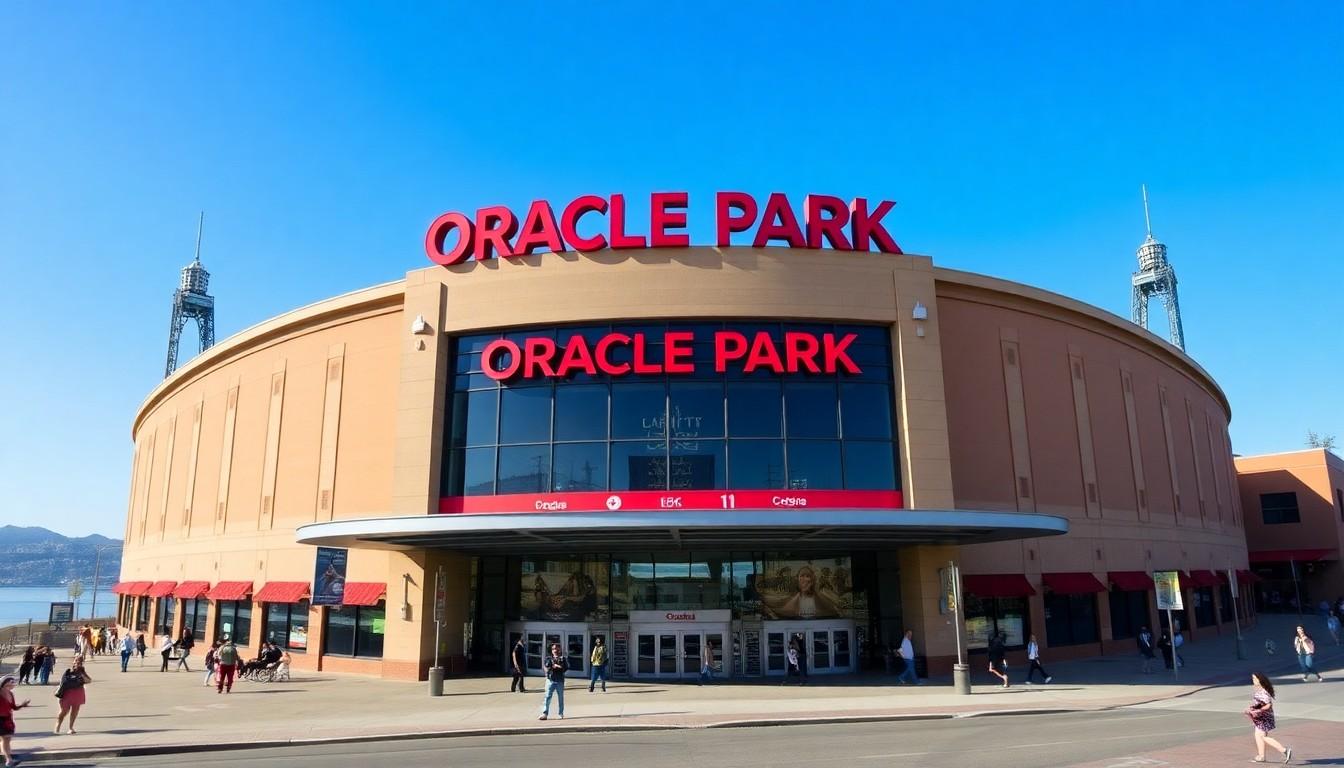
Shoppers of stories and fans alike have noticed a sharp, public flare-up after the San Francisco Giants’ Pride Night drew protests and homophobic slurs , and it matters because major-league baseball is wrestling with how to show support without becoming a culture-war flashpoint. Here’s what happened, why it’s important, and how teams might handle Pride events going forward.
Essential Takeaways
- What happened: Former players and some fans used homophobic slurs and protested during the Giants’ Pride Night, creating a tense atmosphere and headlines.
- Team response: Giants CEO Larry Baer publicly reiterated the club’s long-term support for the LGBTQIA+ community and promised to listen and act.
- MLB context: The league has pulled back on rainbow uniforms and gives teams wide leeway on Pride events; 29 of 30 clubs still host Pride nights.
- Fan experience: Attendees described a mix of supportive energy and uncomfortable moments, with visible signs and reactions altering the feel of the evening.
- Practical note: Players and clubs now face the delicate task of signalling inclusion without inflaming political backlash , and fans should expect clearer policies and firmer on-site crowd management.
A noisy Pride Night , what fans actually saw and felt
The opening fact is simple: the evening that was meant to celebrate inclusion turned loud and ugly in places, with protests and slurs disrupting the atmosphere. Reports describe a Pride Night that mixed warm support, colourful gear, and loud opposition, leaving some fans and staff visibly shaken. According to local reporting, the scene felt at times hostile and at others defiantly supportive, a split that made the event emotionally charged.
That split reflects how a stadium crowd can express opposing views in one place, and why teams are increasingly nervous about planning these nights. For many attendees, the sensory memory will be the contrast , rainbow flags and cheers interrupted by chants and slurs. It’s the kind of public friction that’s hard to undo with a single statement.
How the Giants reacted , reassurance, and a pledge to do better
Larry Baer, the Giants’ president and CEO, went on the team’s flagship radio to reassure fans that the club’s commitment to the LGBTQIA+ community is longstanding and sincere. He framed the ballpark as a “North Star” for inclusive experience stretching back decades, and said the organisation is listening to fan concerns. That kind of front-facing leadership matters when emotions run high.
Still, words only go so far. Fans and advocacy groups will be watching for concrete measures , whether that means tighter crowd policies, clearer signage, or staff training to handle protests without escalating tensions. Baer’s message was necessary; the next move will be to show follow-through.
What MLB's broader handling of Pride events tells us
This isn’t unique to San Francisco. The league has quietly limited team use of rainbow insignia in recent years and stopped enforcing a uniform policy on Pride nights, which leaves each club to navigate its own path. Reuters and national outlets have chronicled a patchwork approach: most teams host Pride nights, while a handful opt out or face backlash.
The result is inconsistency fans notice. Some clubs stage loud, visible shows of support; others scale back to quieter, private acknowledgements. That inconsistency helps explain why these events occasionally become national stories , the reaction depends on local politics as much as team intent.
Players, protests and the tricky middle ground
Some players and former players have publicly protested or used insensitive language, complicating locker-room relationships and public perception. Teams are now balancing players’ freedom of expression with their responsibilities to fans and colleagues. League offices have issued reminders about conduct, but enforcement remains uneven, according to reporting.
Practical advice for clubs is emerging: set clear expectations for player behaviour around themed nights, offer optional participation, and prepare on-site plans to protect fans and staff. For supporters, understanding that a team may be navigating multiple pressures helps explain why responses can seem tentative.
What fans and organisers can expect next season
Look for clearer game-day policies, better training for staff, and possibly more visible security or stewarding on nights likely to attract protests. Teams that want to keep Pride nights peaceful will likely invest in de-escalation training and clearer messaging about what behaviour won’t be tolerated.
Fans who care about these events should consider arriving with a plan , sit near support groups, report harassment quickly, and look for official club channels that explain conduct rules. It’s small logistics like that which can help preserve the warm, celebratory moments Pride nights aim to create.
It's a small set of choices that can make every game-day celebration safer and more genuine.
Source Reference Map
Story idea inspired by: [1]
Sources by paragraph: