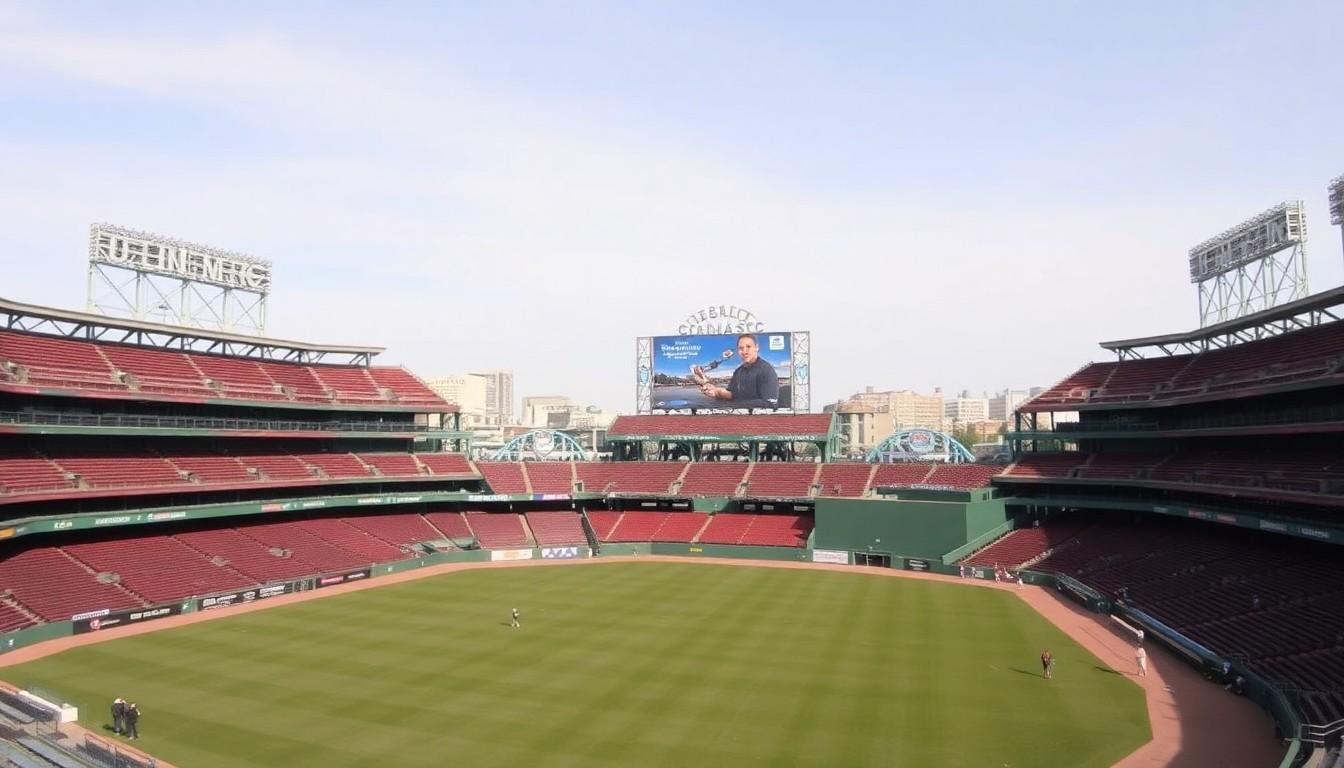
Shoppers and sports fans have been watching closely as a small but vocal protest at a San Francisco Giants Pride Night sparked wider debate; faith leaders, civil-rights groups and local papers say the players’ use of Genesis risks misreading a symbol meant to promise safety and inclusion.
Essential Takeaways
- What happened: Three Giants pitchers wrote "Genesis 9:12–16" on caps worn during Pride Night, referencing the biblical rainbow.
- Religious pushback: Faith leaders from across traditions argue the passage celebrates a covenant with "every living creature," not exclusion.
- Civic context: The episode has prompted comment from MLB, local outlets and civil-rights groups, making it a national conversation.
- Tone and feel: Coverage notes a mix of anger and disbelief , critics call the move tone-deaf and counter to the scripture’s meaning.
- Practical note: If you want to discuss the episode with friends, point to the verse’s universal language as the strongest counterargument.
Why this tiny protest became a big story
The simplest fact is visual: rainbow caps at Pride Night, plus three players adding a Bible verse, made a striking image that spread fast. According to CBS News and local papers, that visual clashed with the stadium’s celebration and drew swift rebuke. It’s easy to see why the moment landed , a symbol usually read as safe, bright and inclusive was repurposed in a way a lot of people found hurtful and confusing.
The broader backstory is that some Christian groups have lately tried to "reclaim" the rainbow as exclusively religious. But critics say that’s a narrow reading of Genesis, and the reaction shows how symbols can be contested territory in public life. If you want to get your head around it, consider the power of simple imagery: a rainbow usually signals welcome, and changing that feeling provokes strong response.
What theologians and ministers are saying
Religious leaders quoted in the San Francisco Chronicle and New Ways Ministry point out the irony: a passage about God’s mercy being used to exclude. Kelly Colwell of First Congregational Church of Berkeley told the Chronicle that the story in Genesis is about protection and the promise "I will never harm you again like this," language that doesn’t lend itself to drawing lines around who’s included.
Guthrie Graves-Fitzsimmons at Interfaith Alliance made a similar point in commentary republished by MS Now, noting the verse’s universal phrasing , "every living creature" , and arguing the players’ move flips that message on its head. For anyone trying to make sense of faith-based arguments in public debates, these readings are useful: they show the same scripture can be marshalled for very different ends, depending on intent.
How MLB and the media framed the controversy
Major League Baseball and national outlets have treated the incident as more than locker-room theatre. The Guardian and other outlets reported MLB calling the inscriptions inappropriate, while local coverage in the Los Angeles Times and SFGate tracked fan and community fallout. That matters because sport often amplifies cultural flashpoints: when athletes use visible platforming, their gestures get read as civic statements, intentional or not.
If you’re weighing how much this matters, remember that an organisation’s response sets a tone. MLB’s reaction and the volume of press coverage turned a moment into a wider conversation about inclusion, free expression and the responsibilities of public figures.
Why the “reclaiming” argument doesn’t hold up for many observers
Several faith commentators argue there’s a misreading at play: the original Genesis passage promises care to all creatures, and trying to make the rainbow "ours, not yours" contradicts that universal promise. New Ways Ministry’s executive director Francis DeBernardo and other ministers have been clear about this point, suggesting the protest rests on a presumption that God’s sign can be owned by a subset of people.
That’s not just theological nitpicking. For people hurt by the gesture, the symbolism is immediate: a sign meant to signal safety becomes a marker of exclusion. If you’re discussing this with family or colleagues, the most persuasive counter is textual and plain: the verse’s language is expansively inclusive.
Practical takeaways for fans, faith groups and employers
If you’re a fan wondering what to do next, small practical moves work: respond with conversation not confrontation, point to authoritative readings of the text if it’s a faith debate, and choose civic-minded actions like supporting inclusive community groups. Employers and teams should consider clearer policies about on-field messaging so brief moments don’t balloon into sustained harm.
For faith communities, this is a reminder that scriptural claims land differently in public life; quoting a verse carries interpretive weight, so it’s worth asking how that message will be received before making it a public protest. And for everyone, the episode underscores that symbols matter , they carry feelings, history and civic meaning.
It's a small moment with a big lesson: symbols like the rainbow are powerful because they're shared, and trying to own them rarely works the way the owner thinks.
Source Reference Map
Story idea inspired by: [1]
Sources by paragraph: