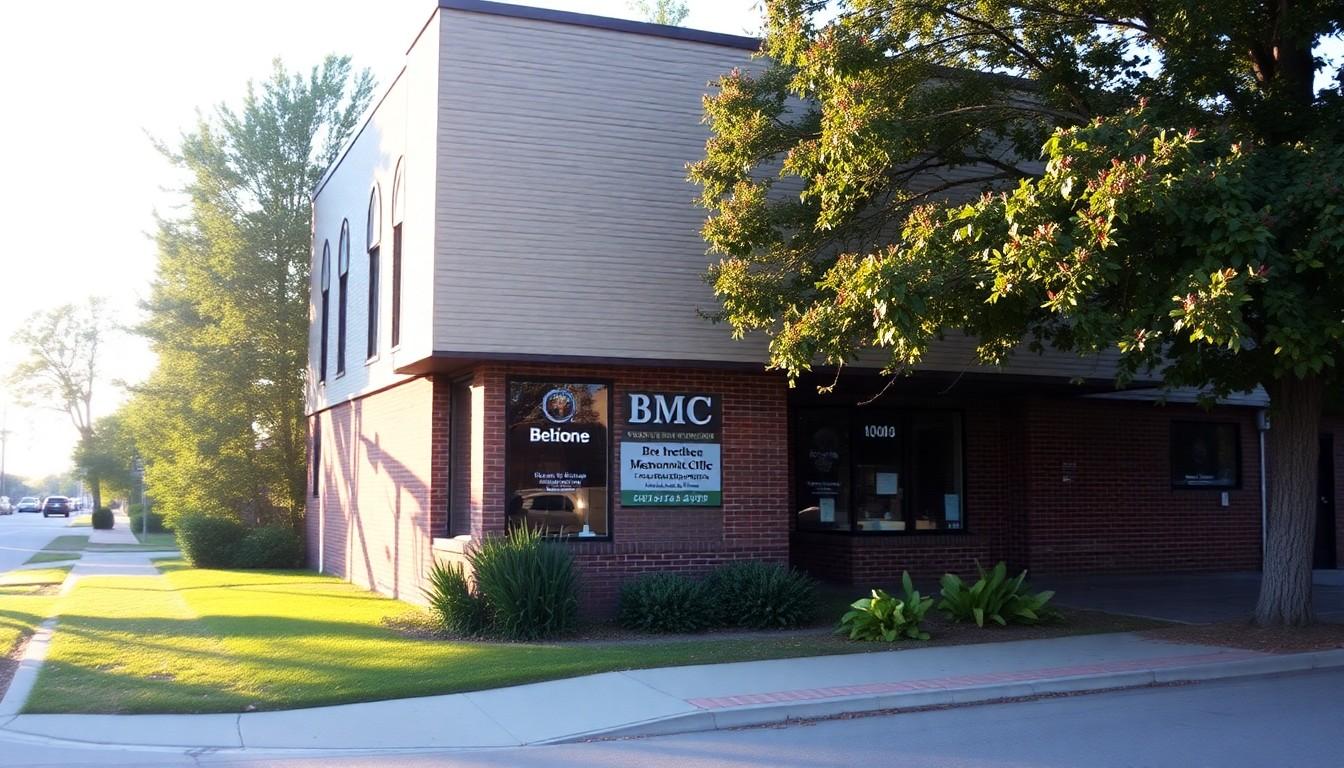
Shoppers are turning to community as much as theology , and for many queer people from Anabaptist backgrounds the Brethren Mennonite Council (BMC) offered both. This piece looks at who BMC served, why its work mattered in church life, and practical ways people today can find supportive congregations and resources.
Essential Takeaways
- Historic lifeline: BMC connected LGBTQ+ Mennonites and Brethren from the 1980s onward, offering community when institutions were hostile.
- Practical support: The group organised newsletters, retreats, a Supportive Communities Network and HIV/AIDS communication links.
- Public presence: BMC represented Anabaptist LGBTQ+ people at marches, Pride events and interfaith services, putting a human face on church debates.
- Ongoing relevance: Archives, programmes and successor groups like Pink Menno carry its legacy; local supportive congregations remain crucial.
- What to look for: Seek visible welcome statements, LGBTQ+ programming, pastoral support and community links when choosing a church.
Why BMC mattered: a personal lifeline and a public face
For many queer people raised in Mennonite or Brethren homes, the discovery of BMC felt like finding another heartbeat in a silent room. The organisation offered the simple, vital things people needed: other names, other stories, and proof they weren't alone. That quiet emotional relief translated into practical help , newsletters, local chapters and retreats where members could be seen and heard. For those who had spent years denying a core part of themselves, that visibility was a kind of rescue.
How BMC put people before policy
In the 1980s and 1990s BMC worked hard to personalise what was too often discussed as doctrine. They produced Dialogue, a newsletter with alternative viewpoints, and repeatedly tried to be present at denominational conferences to humanise the debate. When ministries promoting orientation change gained traction, BMC countered with first‑hand testimony and a vision of integrated faith and sexuality. The approach wasn’t about winning arguments alone; it was about keeping people connected to faith communities even as institutions argued.
Practical programmes that made a difference
BMC’s activities read like a checklist of what supportive ministry looks like: a network of local chapters, biennial conferences, a Supportive Communities Network to identify welcoming congregations, speakers for churches and colleges, and a communication system for people living with HIV/AIDS. Those programmes meant someone could phone for advice, find a nearby retreat, or learn which congregations would marry them. For anyone choosing a church today, these are the practical markers to watch for , active programmes, clear communication and visible pastoral care.
What changed and what stayed the same
Over decades the landscape shifted: some conferences have left Mennonite Church USA, new groups like Pink Menno have emerged, and archives preserving BMC’s records have found homes in university collections. Still, the core need remains , young people growing up in disapproving communities still look for a way to keep faith and identity together. BMC’s model of combining public witness with pastoral support shows how faith groups can evolve without erasing the people they serve.
How to find a supportive congregation now
If you’re seeking a welcoming church, start locally and ask concrete questions: does the congregation publish a welcome or inclusion statement, are there LGBTQ+ leaders or members you can contact, and does the church host or advertise supportive groups or events? Look for churches that have partnered with networks similar to BMC or which have invited speakers and resources on LGBTQ+ inclusion. Visiting a service or contacting a pastoral team ahead of time can give you a sense of warmth , and your gut will tell you if a place feels safe.
It's a small change that can make every Sunday feel like somewhere you belong.
Source Reference Map
Story idea inspired by: [1]
Sources by paragraph: