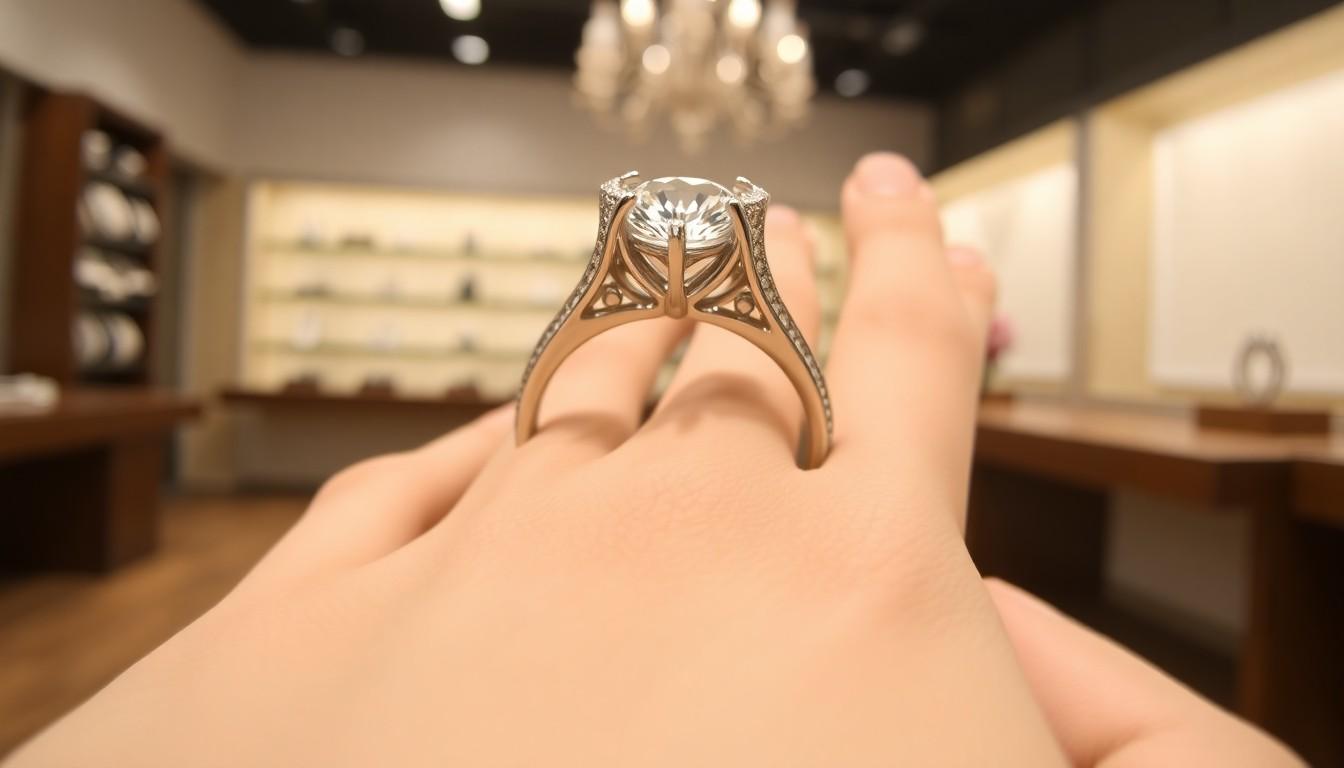
Shoppers are choosing rings that tell a story: queer-owned brands and couples are pushing engagement-ring design away from the solitary diamond script and toward bold colour, sculptural shapes and gender-neutral silhouettes , and that shift matters because it makes jewellery feel personal, not prescribed.
Essential Takeaways
- Design-led: Queer designers favour sculptural, signet and chunky gold styles that feel wearable and personal.
- Alternative stones: Spinel, parti sapphires and salt-and-pepper diamonds are popular for their character and colour.
- Gender-neutral: Wider bands, bezel settings and signet shapes blur masculine and feminine codes.
- Custom-first: Nearly every commission involves personal touches , hidden stones, mixed metals, heirloom remakes.
- Handcrafted feel: Engraving, organic motifs and textured finishes give rings a tactile, intimate quality.
Why queer-owned brands are at the forefront of ring trends
The clearest fact here is visual: queer jewellers have been experimenting with form and colour for years, so what looks new on the high street often feels familiar to LGBTQIA+ consumers. According to industry commentary, designers who work with queer clients report demand for chunky gold bands, hexagon cuts and salt-and-pepper diamonds long before those styles scale up. This creative lead makes sense , when you aren’t bound by a narrow bridal script, design becomes a field for play rather than obligation. For buyers, that means rings that read as expressive pieces of jewellery, not just status markers. If you want something recognisably personal, start by looking at designers who foreground identity and bespoke work.
What “gender-neutral” actually looks like in a ring
Gender-neutral doesn’t mean bland; it usually means thoughtful proportions and details that suit any wearer. Think wider signet silhouettes, bezel-set stones that sit flush against the finger, and mixed metal combinations that avoid overtly feminine or masculine cues. The move toward these shapes is practical as well as aesthetic: they’re sturdy, comfortable and often easier to stack or pair with a partner’s ring. If you’re choosing a neutral design, prioritise scale , a ring that balances with your hand will feel intentional rather than borrowed.
Colour and texture: stones beyond the round brilliant
Couples are increasingly choosing stones that have personality , parti sapphires, alexandrite’s mood shifts, and salt-and-pepper diamonds with their speckled depth. These alternatives reward close inspection and age beautifully because their imperfections are features, not flaws. Designers note that clients often ask for unusual cuts and colours to echo a personal story or to repurpose heirloom gems. Practical tip: ask about durability and daily wear; some coloured stones need extra care, so choose settings that protect the gem without hiding it.
Customisation as the new default
One of the biggest takeaways is how customisation has moved from niche to expected. Many commissions now include hidden birthstones, engraved messages or reworked family gems, making each piece feel like a small archive of a relationship. Custom work also lets couples decide who wears what and how , a ring set can be designed as two complementary pieces rather than a matching pair. If you’re commissioning a ring, have a short wishlist ready (shape, metal, any sentimental elements) and trust a maker who listens , co-creation is what turns jewellery into an heirloom.
How mainstream retail is catching up , and what to watch for
Big retailers are beginning to stock the aesthetics queer designers have championed: chunkier bands, geometric cuts and alternative stones are appearing in wider assortments. That expansion makes these styles more accessible, but there’s a trade-off , mass-produced pieces may lack the hand-finished details and storytelling of an independent jeweller. For shoppers who want the look but also care about meaning, consider a hybrid approach: source a distinctive centre stone or band from a small maker and have it set or matched through a retailer, or buy directly from brands that advertise inclusive sizing and unisex designs.
Closing line It’s a small change with big feeling: choose a ring that looks like your life, not someone else’s.
Source Reference Map
Story idea inspired by: [1]
Sources by paragraph: