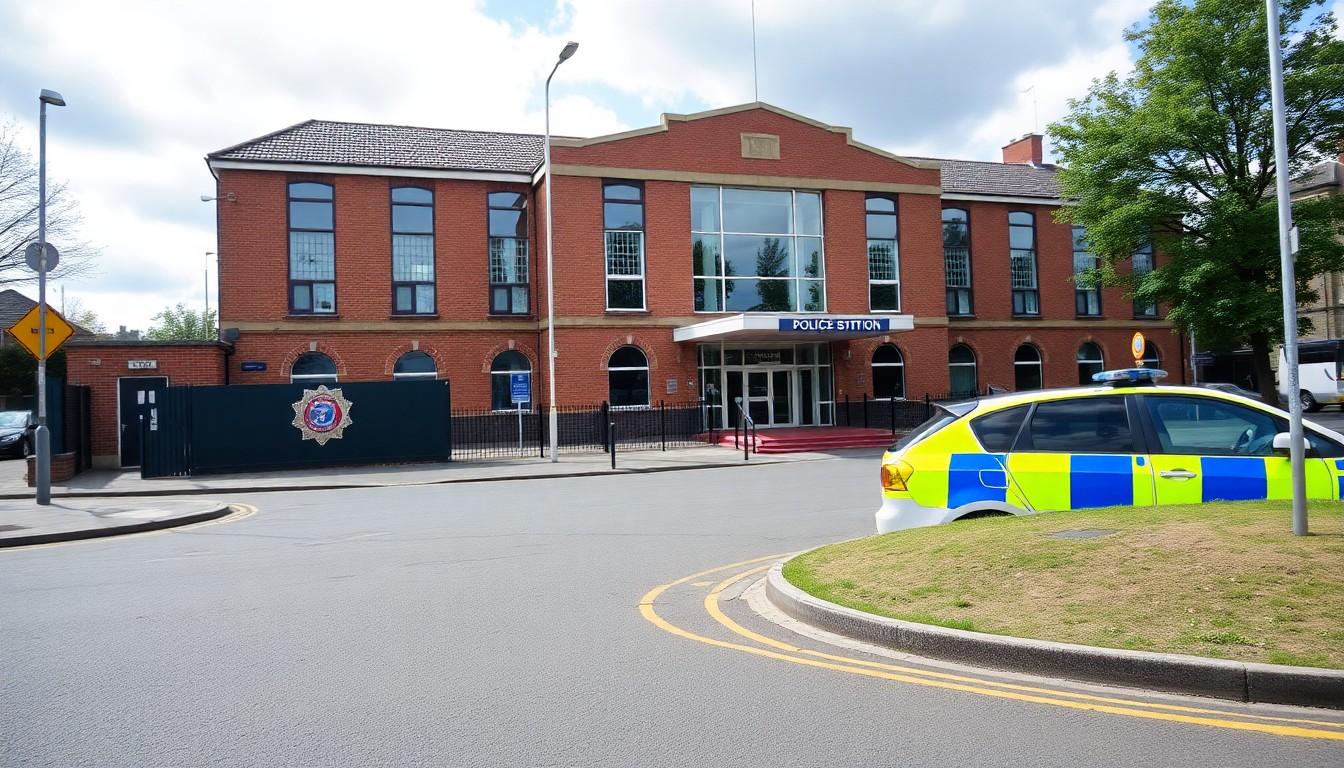
Shoppers and residents are noticing a rare and emotional shift: the acting head of West Midlands Police has issued a formal public apology for historic mistreatment of LGBTQ+ communities, a move welcomed by campaigners in Birmingham and beyond and significant for rebuilding trust across the region.
Essential Takeaways
- Historic apology: The Acting Chief Constable offered a sincere public apology for past policing that targeted gay and bisexual men and caused lasting harm.
- Community reaction: Birmingham Pride leaders and campaigners described the apology as deeply moving and long-awaited.
- Action and strategy: West Midlands Police say they’ve embedded a Diversity, Equality and Inclusion strategy and cultural competence training across the force.
- Reporting focus: The force is asking communities to report hate crimes, with specialist detective oversight now standard and reporting routes widened.
- Commitment not closure: The chief acknowledges he can’t undo the past but pledges active engagement and practical work to rebuild trust.
Why this apology matters right now
This apology lands with a quiet, human weight , people who lived through the policing of private lives have long sought recognition. According to West Midlands Police, the letter admits that laws were historically used to target LGBTQ+ people, especially gay and bisexual men, and that policing practices caused deep trauma. Campaigners say the acknowledgement is a significant step toward healing, not just a PR line.
The timing matters too: the acting chief chose the end of Pride month to make the statement, a symbolic moment when community visibility is high. For many, apologies aren’t about erasing history but about validation , the simple act of naming harm can change how people relate to institutions.
What the force is doing beyond words
The letter sets out concrete measures: a DEI strategy with six pillars, active LGBTQ+ staff networks, cultural competence training and specialist oversight for hate-crime investigations. West Midlands Police say they’ve broadened reporting routes and are seeing increased hate-crime reporting and prosecutions.
That’s practical progress, but it’s also slow work. Embedding cultural change across a large police force takes years. Still, signalling accountability and creating formal channels for reporting represents a meaningful pivot from denial to engagement.
How campaigners and communities have reacted
Local leaders, including Birmingham Pride’s director, described the apology as enormously moving. This isn’t a surprise , campaigners have campaigned for recognition for decades, lobbying successive chief constables to say sorry for discriminatory policing practices that pushed people into secrecy and fear.
Reaction is mixed with cautious optimism: people welcome recognition but will watch delivery. An apology opens a door, but follow-through , prosecutions where appropriate, community partnerships, recruitment that reflects diversity , is what will keep that door open.
What this means for people who were affected
For survivors of historic policing, this is validation that their suffering was real and wrong. The force has acknowledged the lasting negative impact on people who felt they couldn’t be open about themselves or their relationships for fear of arrest or imprisonment.
Practically, the force is urging people to report hate crimes and promises specialist oversight. If you or someone you know was affected historically, this could be an opportunity to seek support, share testimony, or engage with community groups helping to document experiences and push for reparative measures.
Looking ahead: accountability, trust and culture change
Apologies can prompt action or be forgotten; the difference lies in accountability. The acting chief has framed the apology as ownership of both past and future responsibilities and has invited ongoing engagement with LGBTQ+ partners. That’s the right language, but institutions will be judged by outcomes , recruitment diversity, independent oversight, transparent investigations and sustained community collaboration.
If the West Midlands can turn words into measurable change, this moment may mark a real turning point for policing and for how local communities relate to the force.
It's a small step that could make a big difference if followed by steady, visible action.
Source Reference Map
Story idea inspired by: [1]
Sources by paragraph: