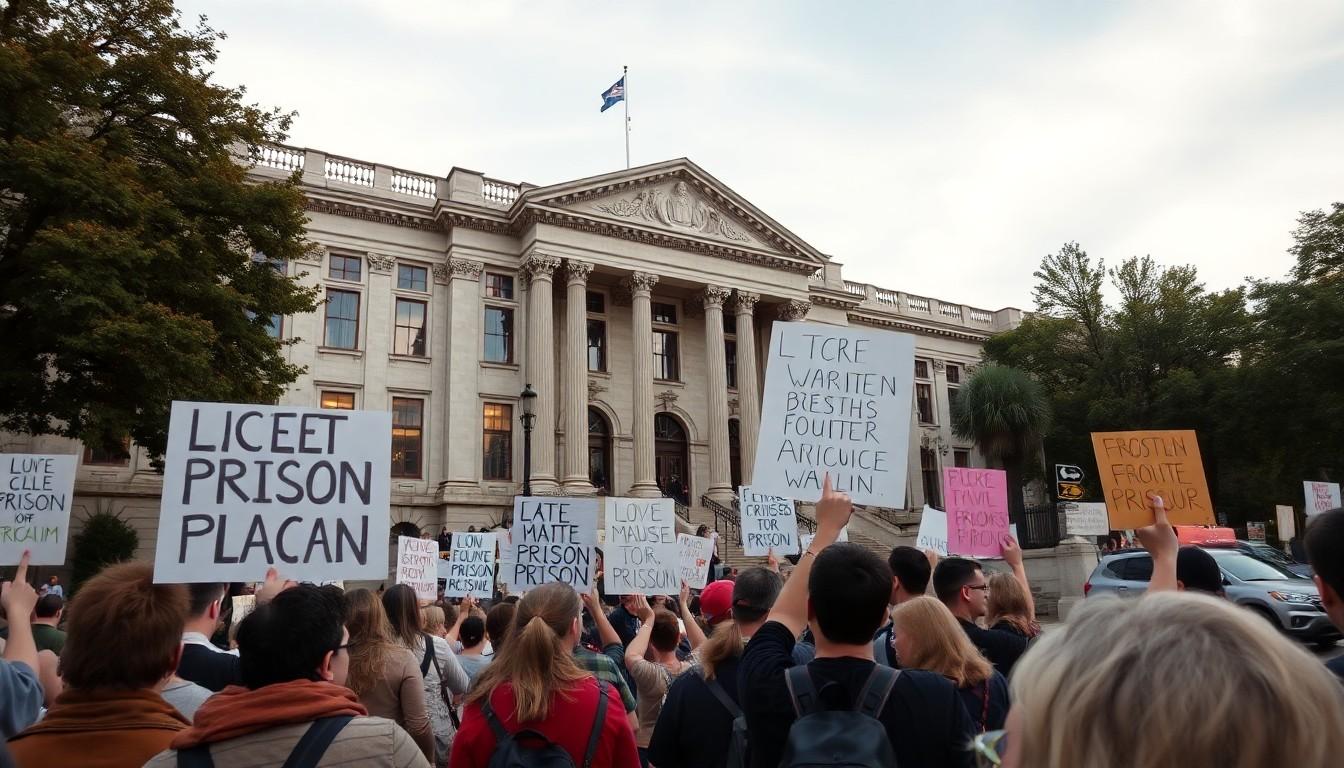
Shoppers are turning to questions of who Pride really protects; organisations and donors are being called out for celebrating visibility while leaving the most vulnerable behind, and that gap matters because real safety requires policy, not just branding.
Essential Takeaways
- Symbolic inclusion vs material support: Rainbow branding is common, but it rarely changes housing, policing, or employment risks for marginalised queer people.
- Groups left exposed: Trans women, sex workers, incarcerated and poor queer people face disproportionate violence, homelessness and criminalisation.
- Institutional respectability costs: Organisations often favour easily marketable narratives over funding or policies that challenge power.
- Practical focus: Genuine solidarity means defending people when it gets controversial, not only during Pride photo ops.
- Actionable step: Support groups that work with criminalised communities and push for policy change, not just visibility.
Why rainbow logos aren’t the same as protection
There’s a silky, visual comfort to Pride-coloured logos on corporate sites, but that comfort can feel cold when violence or eviction is the day-to-day reality for many trans and queer people. According to advocacy groups working on criminalisation and incarceration, the policies that actually determine safety , policing practice, housing access, employment protections , are still failing the people who need them most. So while banners signal welcome, they don’t stop profiling, arrests, or exclusion from services.
This isn’t just performative hypocrisy; it’s the structural logic of institutions that prioritise survival and respectability. They’ll uplift stories that are easy to market and silence ones that demand redistributive change. If you care about impact, look for organisations whose budgets and campaigns back policy fights, not just seasonal imagery.
Who gets celebrated, and who gets sidelined
It’s easy to point to diverse-looking panels and assume the work is done. But the communities most affected by criminalisation , trans women, sex workers, queer people behind bars, those with unstable housing , are often absent from policy rooms and decision-making tables. Media coverage tends to profile individual resilience while skirting structural causes like family rejection, punitive housing rules, and police violence.
That pattern isn’t accidental. Organisations that depend on donors and political partners will often avoid amplifying stories that implicate those donors or demand uncomfortable reforms. The result: the people whose survival strategies or pasts complicate tidy narratives are quietly managed, excluded, or left to fend for themselves.
What genuine solidarity looks like in practice
Real solidarity shows up when it’s risky. It means defending people even if donors grumble, and refusing to sanitise histories of criminalisation to make messaging palatable. Practically, that can look like funding bail and legal defence, backing campaigns to decriminalise consensual adult work, pushing for housing-first programmes, and ensuring re-entry support for formerly incarcerated queer people.
If you’re trying to decide where to give time or money, favour groups with clear policy aims and frontline programs: those organisations are more likely to protect people beyond Pride month. Check whether budgets prioritise direct services and advocacy, not only marketing.
How institutions filter who’s included
Institutions don’t always decide exclusion maliciously; often it’s a function of risk management and brand calculus. But the effect is policy: visibility becomes easier than redistribution, and representation easier than protection. That filter shows up everywhere , in which trafficking narratives get airtime, whose homelessness is framed as a personal story rather than a housing-policy failure, and whose criminal records become a lifelong barrier.
Holding institutions accountable requires more than criticism; it needs a shift in incentives. Funders and consumers can press for transparency on donations, lobbying records, and program spending. Demand that Pride partnerships include commitments to concrete reforms, not just logos on billboards.
Small actions that make a real difference
You don’t need to be an organiser to tilt the balance toward protection. Donate to frontline groups working with criminalised queer communities, volunteer for legal-aid efforts, and call out political donations that contradict public messaging. When employers or police forces run Pride campaigns, ask what measurable reforms they’re supporting for trans people and sex workers.
And personally, remember that solidarity isn’t a seasonal accessory. It’s about willingness to stand with people when the story gets complicated and the headlines turn ugly.
It's a small change that can make every Pride mean more than a logo.
Source Reference Map
Story idea inspired by: [1]
Sources by paragraph: