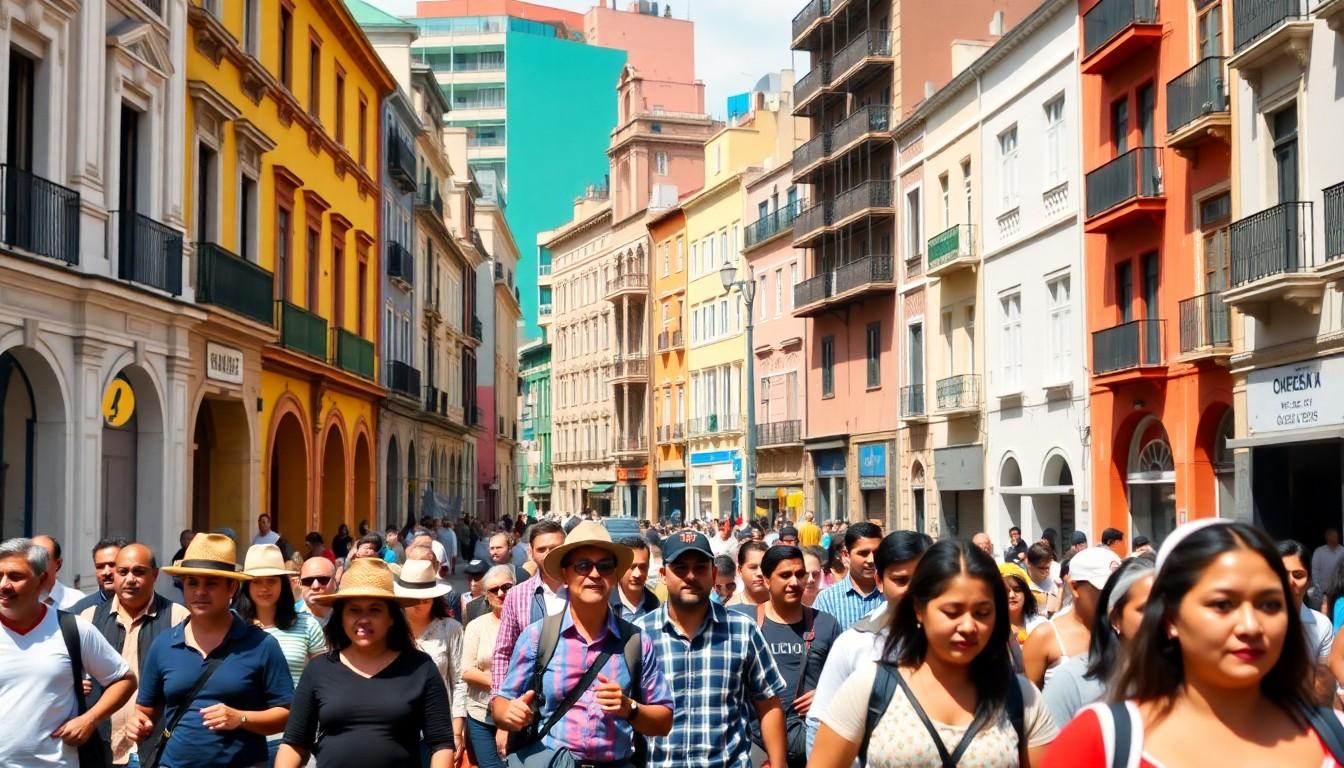
Spot the colours, join the music and support rights , this Saturday, Lima’s LGBT community will march through the city centre, drawing crowds to main avenues and finishing with concerts at Campo de Marte; here’s the route, times and what to expect so you can plan your day.
Essential Takeaways
- Start time and meeting: Gathering from 9.00 a.m., with main mobilisation from 3.00 p.m. on 27 June.
- Route highlights: The procession runs along Av. Guzmán Blanco, Av. Alfonso Ugarte, Av. Nicolás de Piérola, Av. Garcilaso de la Vega and Av. 28 de Julio, ending at Av. De la Peruanidad.
- Finish line festivities: A staged “cierre artístico” at Campo de Marte from 5.30 p.m., featuring bands, DJs and a surprise headliner.
- Family and atmosphere: Expect a lively, colourful crowd, accessible public spaces and performances that range from orchestras to DJs , sounds and energy are part of the draw.
- Nationwide movement: Lima’s march forms part of a wider schedule of Pride events across Peru this month.
Where the march gathers and the mood to expect
The day begins quietly for many, with groups meeting from mid-morning and stalls gradually appearing; the official mobilisation is set for the afternoon. The assembly point funnels into the centre of Lima and you’ll feel the city shift as music and banners move through familiar stone-fronted streets. Expect a mix of protest energy and celebration , it’s part demonstration, part block party.
According to local reporting, the community has organised a clear route through the capital so participants and onlookers know what to expect. If you’re going for solidarity, photo ops or to catch a particular act later, arriving earlier gives you time to find a comfortable spot and soak up the atmosphere.
The route explained , how to follow it and where to watch
The procession follows a straightforward path through Lima’s central avenues: starting on Av. Guzmán Blanco toward Plaza Bolognesi, then along Av. Alfonso Ugarte to Plaza Dos de Mayo, continuing down Av. Nicolás de Piérola to Av. Tacna, then Garcilaso de la Vega to Av. 28 de Julio and finally on to Av. De la Peruanidad beside Campo de Marte. That last stretch will host the evening stage.
For spectators, the plazas provide natural viewing areas while the long avenues let you join at several points. If you want less hustle, aim for the middle sections around Plaza Dos de Mayo or Av. Tacna; if you prefer the celebratory finale, head to Av. De la Peruanidad.
What’s on stage , music, performers and the surprise headliner
The official flyer lists Rumbavana, Daki, DJ Renato Tipa, Lolita Banz, Nahomi Chávez, Nick Hardwell, Antay and DJ Jesús Valencia among the performers, with an additional surprise artist set to close the night. In past years, well-known acts have topped the bill, so local chatter is already guessing at big names from cumbia and pop circuits.
Shows begin as the march arrives and the “cierre artístico” is scheduled from about 5.30 p.m. The combination of live bands and DJs keeps the mood varied , there are moments to dance, sing along or simply enjoy the soundscape while the crowd thins into evening.
Practical tips , getting there, safety and accessibility
Public transport will be busier than usual; plan extra travel time and consider walking if you’re nearby. Wear comfortable shoes, bring water, and pack a light poncho just in case , Lima weather can shift. For those attending with children or people with mobility needs, the wide avenues and open plazas make it relatively easy to find space, but arrive early to secure a convenient spot.
Organisers usually coordinate with local authorities on closures and safety, so follow official social channels for last-minute route changes or updates. Respect the space: Pride mixes protest and celebration, so be mindful of people taking part for political as well as personal reasons.
Why this year’s march still matters
Beyond the music and colour, the march is a visible reminder of ongoing demands for legal protections and social acceptance. In a country where conservative views remain influential, public demonstrations like this push for recognition and policy change while offering community and visibility to people who are too often marginalised.
Expect chants and banners alongside confetti and costumes , that blend of joy and insistence is what gives the march its force. If you go, you’ll be part of a tradition that’s both celebratory and consequential.
It's a small change that can make every step toward equality feel louder.
Source Reference Map
Story idea inspired by: [1]
Sources by paragraph: