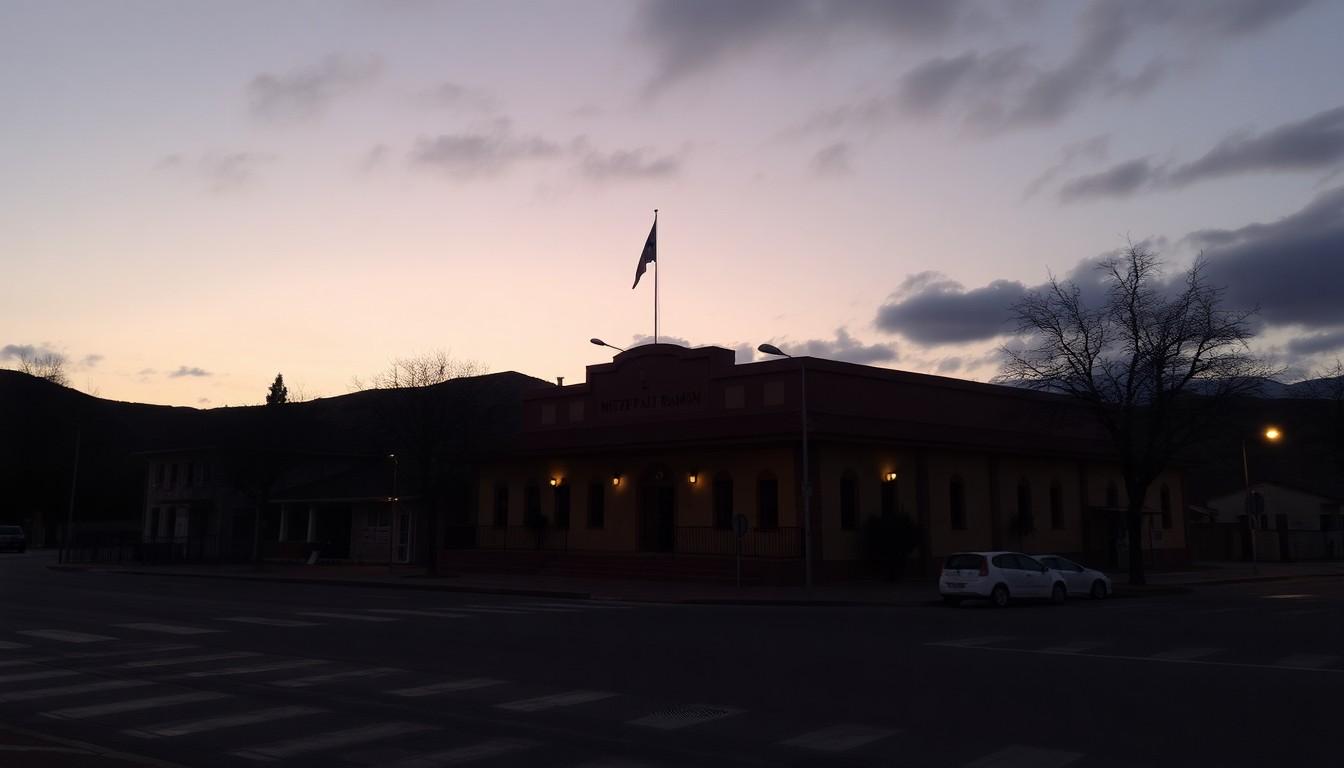
Shoppers are turning their heads as Mitzpe Ramon’s sixth Pride parade drew hundreds under heavy security, a vivid show of defiance where neighbours chanted “here to stay” despite local anti-LGBTQ banners and egg-throwing incidents; it matters because small towns set the tone for national culture.
Essential Takeaways
- Solid turnout: Hundreds marched in Mitzpe Ramon’s sixth annual Pride, with visible energy and pink-clad participants.
- Local pushback: Organised religious groups posted flyers and banners promoting “family” messages, creating a fraught backdrop.
- Tense moments: Organisers and marchers reported harassment, including eggs thrown and a Pride flag torn down within hours.
- Political attention: Opposition lawmakers and openly gay MKs attended, framing the march as both local resistance and national statement.
- Community mood: Under heavy policing, participants combined celebration with a sharp insistence on safety, belonging and equal education.
A small desert town, big on protest , what the march felt like
You could see the town’s stony horizon as people gathered, the afternoon sun throwing long shadows while the crowd’s voices stayed bright and loud. According to reports in the Times of Israel, marchers chanted proudly and marched through the town centre, a vivid counterpoint to the flyers that had been plastered around town. For locals and visitors the event read as part celebration, part stance: a declaration that LGBTQ life belongs in even remote, conservative places.
The parade’s sensory mix mattered , colours against ochre, chanting against stillness , and it underlined a simple fact. Even where religious conservatism has a strong foothold, people are choosing visibility. If you’re curious about the scene, think less carnival and more a determined community walk: loud, visible and prepared.
Why the flyers and banners mattered , and what they signalled
In the days before the march, a conservative Zionist religious group pushed posters and banners celebrating traditional family models, some bearing the insignia of Bocharim BaMishpacha. That campaign turned a community event into a flashpoint, with organisers saying the material was intended to intimidate and local leaders offering conflicting tones about the tensions. The presence of such messaging showed how symbolic politics can be in small towns where a single yeshiva or religious leader holds sway.
This isn’t just about words on paper. For residents who hung Pride flags or planned to march, the flyers felt like an attempt to redraw what “family” means in public space. If you live in a small community, bear in mind that local campaigns like this often come from tight-knit groups and can be hard to counter unless allies show up.
Harassment and security , how organisers managed risk
There were reports of eggs being thrown at participants and of a Pride flag torn down shortly after being displayed, prompting heavy police presence during the march. Organisers worked with authorities to keep the route intact and visible, and several opposition lawmakers attended, adding both protection and political weight to the event. The result was a guarded celebration: joyous, but cautious.
If you’re involved in planning or attending a Pride in a tense area, practical steps matter , coordinate with local police early, document incidents, and ask allied public figures to attend. Visibility with safety planning can shift the balance away from intimidation.
Politics on show , why MKs and candidates turned up
Members of the Democrats party and MKs from other blocs made a point of walking the route, framing the march as part of a national fight over inclusion. One openly gay lawmaker, Eitan Ginzburg, used his appearance to cast the event as resistance to a government he described as regressive. That kind of political presence matters: it amplifies a small-town story into something national and reminds residents they’re not alone.
For voters and activists, the lesson is plain. Local events become platforms; politicians who show up can change the tone and offer a degree of protection. And for candidates, it’s an easy way to demonstrate commitment to equality beyond urban centres.
Why Mitzpe Ramon’s Pride matters beyond the Negev
Mitzpe Ramon is small, perched on a crater rim, and known for its desert vistas and sculpture trail as much as its politics. That contrast , an arts-friendly, tourism-minded town with a rising religious bloc , makes this year’s parade notable. Organisers told national outlets that holding Pride in such a place is a test of whether freedoms will be allowed to recede from the rest of the country.
Looking forward, these local battles are likely to keep showing up on national radars. If communities in less liberal regions keep pushing for visibility, national debate gets nudged, sometimes in ways that trickle into policy or public education campaigns. It’s grassroots politics with confetti.
It's a small change that can make every march safer and every voice heard.
Source Reference Map
Story idea inspired by: [1]
Sources by paragraph: