Shoppers are turning to streaming lists and festival picks to extend Pride beyond a single month; here’s a lively guide to 10 documentaries that celebrate 2SLGBTQ+ lives, history, art and activism , films that comfort, challenge and stick with you long after the credits roll.
Essential Takeaways
- Wide range: Shorts, biographies, archival-heavy histories and intimate portraits all feature, so there’s something for every mood.
- Emotional resonance: Many films mix grief and joy, offering a warm, personal viewing experience.
- Historical weight: Several titles dig into under-told moments in 2SLGBTQ+ history with rich archival material.
- Accessible viewing: Most films are available on common streaming services like Netflix, Apple TV, CBC Gem and TVO.
- Sensory note: Expect candid interviews, archival grain, and moments that feel both raw and celebratory.
A playlist that stretches Pride into everyday life
If you liked the rush of Pride parades, these films bring that energy home with quieter, deeper moments that still sparkle. POV magazine curated a list designed to keep representation on your screen beyond the corporate logos, mixing small-town gatherings with festival darlings and personal memoirs. The result is a viewing mix that feels both human and necessary, with plenty of films that lean on intimate close-ups and conversational pacing. If you want a single night’s watch that’s uplifting and thoughtful, pick a short like John Was Trying to Contact Aliens to start light and then settle in.
Small towns, big feelings: why Small Town Pride matters
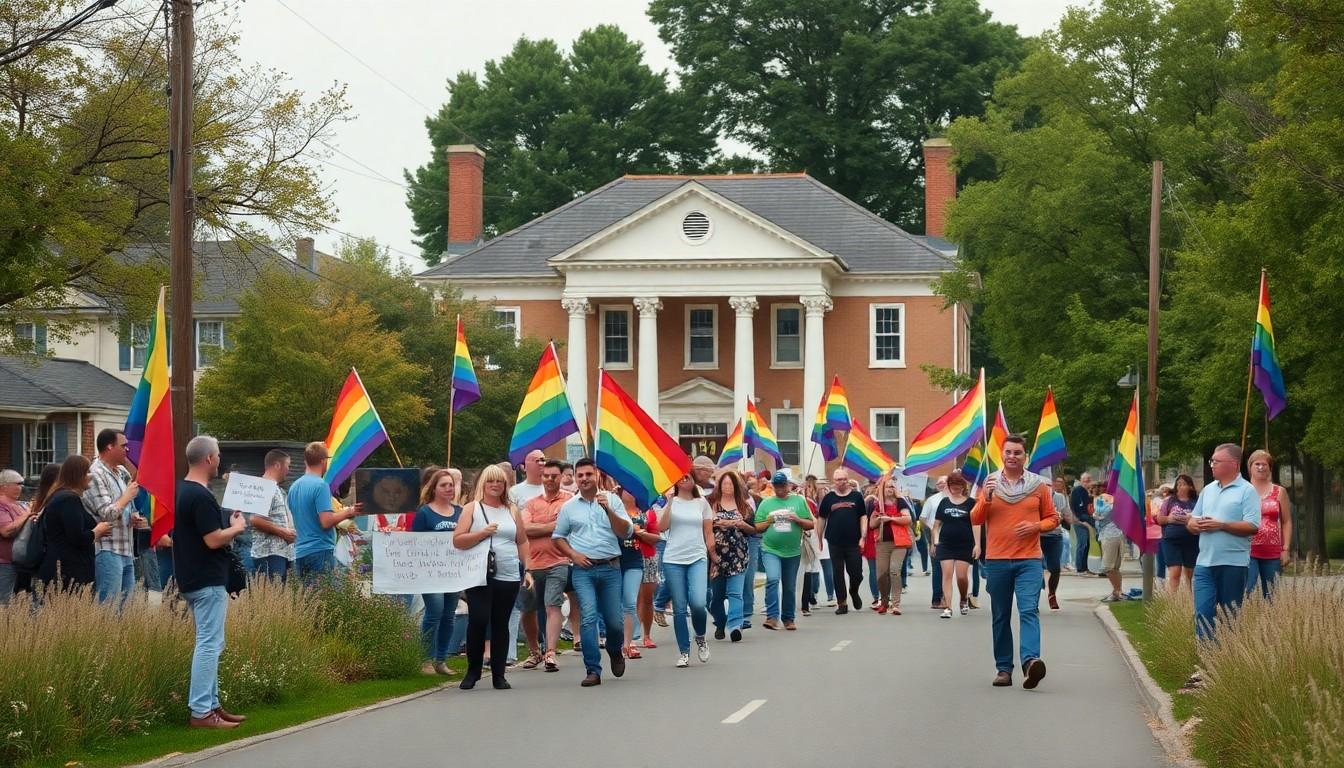
Small Town Pride shifts the lens away from the usual metro-centred Pride coverage to communities where visibility can be scarce and organizing is riskier. The film profiles organisers in places such as Norman Wells and Taber, showing parades that feel like both celebration and protest. Watching it, you notice the textures , banners hand-painted in living rooms, a nervous but determined speech , and why representation in small communities counts as much as any big-city march. If you’re choosing what to watch to understand where lived experience differs, this doc is essential.
History with a wink: Forbidden Love and Parade
Some of the most compelling entries use archival footage and playful format choices to tell a serious story. Forbidden Love blends archival material with a stylised fictional segment to trace queer women’s lives in mid-century Canada, turning what could be dry history into something electric and surprisingly funny. Parade: Queer Acts of Love & Resistance stitches well-known events with surprising discoveries to track key moments in Canada’s 2SLGBTQ+ history, and in doing so it offers a clear reminder: the fight for rights has texture, and those textures are worth watching unfold. These films are good picks if you want context delivered with creativity.
Portraits that cut deep: Come See Me in the Good Light and I Am Divine
Biographical films can be gentle or explosive, and these two swing both ways. Come See Me in the Good Light is a recently lauded portrait of poet-activist Andrea Gibson that balances grief and joy in a way reviewers called profoundly moving. Meanwhile, I Am Divine digs into the life of the drag icon with a pulsing energy that matches Divine’s stage persona, giving fans a sense of the person beyond the persona. If you enjoy character studies that make you laugh and well up in the same scene, add these to your queue.
Intersection and identity: Tongues Untied and The Aggressives
Some of the most powerful work interrogates how race, gender and sexuality intersect. Marlon Riggs’ Tongues Untied takes an experimental approach to the compounded silencing of Black gay men, using voice, poetry and montage to make the viewer feel the tension. The Aggressives documents a New York subculture where terms like “aggressive” map onto power, gender presentation and desire; shot over five years, it’s also a charming time capsule of early‑2000s style. Watch these if you’re interested in how identity is lived on the street and in the mind.
Reckoning and correction: Killing Patient Zero and Stay on Board
Documentaries can be corrective: Killing Patient Zero revisits the harmful myth that Gaétan Dugas was solely to blame for early HIV spread, and in doing so it unpacks media panic, stigma and historical error. Stay on Board: The Leo Baker Story flips the sports narrative, following a pro skateboarder whose coming out highlights the compromises athletes face and the freedom that comes from choosing authenticity over acclaim. These films remind you that documentaries do more than entertain; they can reframe public stories and human lives.
Short and sweet: John Was Trying to Contact Aliens
Not every film needs to run long to leave an impression. The 16-minute John Was Trying to Contact Aliens is a compact, tender portrait that lingers in the memory , quiet, warmly observed, and oddly comforting. It’s a useful palate cleanser if you want an emotional lift between heavier, archival-heavy watches. Keep it on hand for a gentle, restorative viewing break.
How to pick the right doc for your night
Match mood to film: choose celebratory or inventive formats for group viewings, and reserve the archival or biographical pieces for quiet nights when you can focus. Check platform availability first , many of these are on public broadcasters or major streamers , and if you’re introducing someone new to queer cinema, start with an accessible, upbeat title like I Am Divine or John Was Trying to Contact Aliens. For a deeper education, follow a lighter film with something like Parade or Tongues Untied and give yourself time to reflect.
It's a small change that can make every watch feel like an act of recognition.
Source Reference Map
Story idea inspired by: [1]
Sources by paragraph:
- Paragraph 1: ,
- Paragraph 2: ,
- Paragraph 3: ,
- Paragraph 4: ,
- Paragraph 5: ,
- Paragraph 6: ,
- Paragraph 7: ,
- Paragraph 8: ,