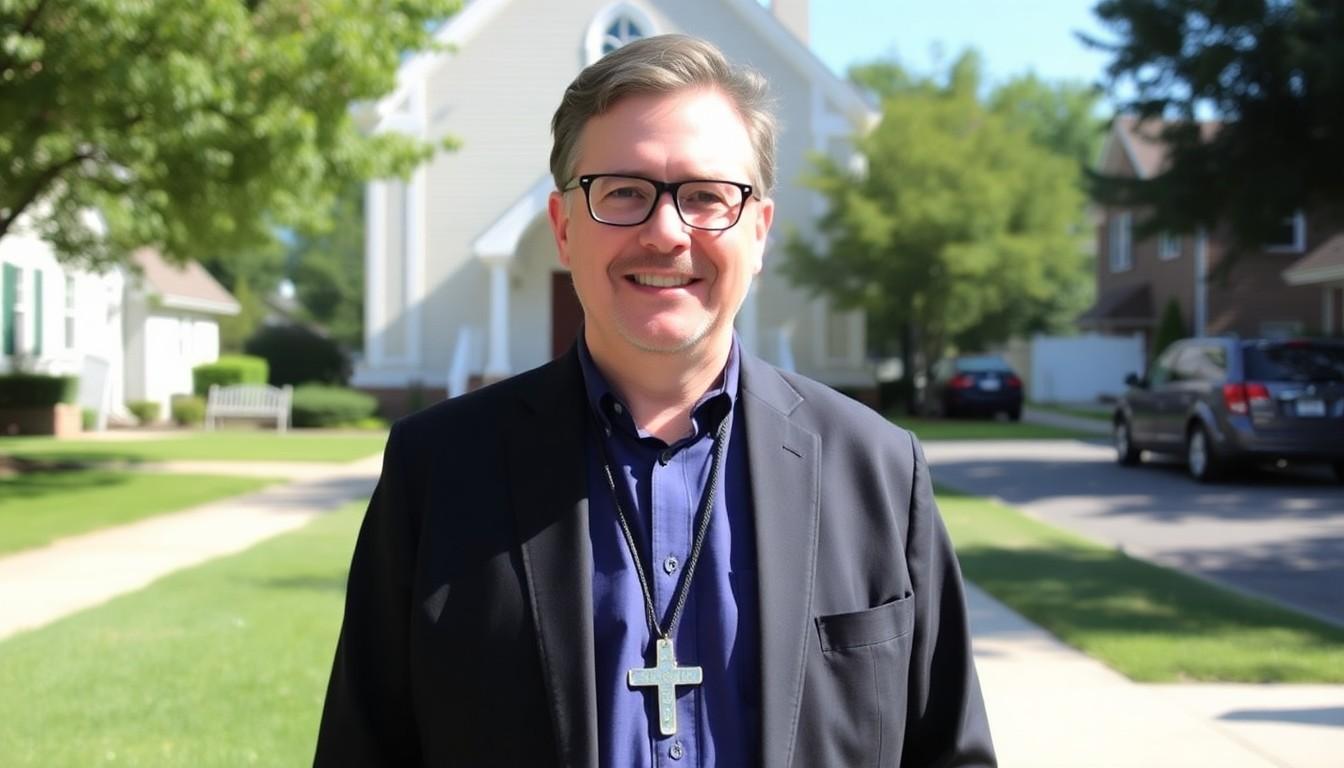
Shoppers of faith are taking note: the Presbyterian Church (U.S.A.)’s Gender and Sexuality Committee has backed two landmark resolutions to boost LGBTQIA+ connection and healthcare access, decisions that matter for worship communities, queer Presbyterians, and families seeking safer, more affirming church spaces.
- What passed: The committee approved a funded biennial national LGBTQIA+ gathering and an “Access to Healthcare” resolution supporting evidence-based, gender-affirming care for all individuals.
- Funding detail: At least $100,000 will be set aside in each biennial budget cycle to run the national gathering, plus scholarships and travel aid , the money is separate from existing programme budgets.
- Young people’s voice: Youth delegates influenced wording on healthcare policy, prompting removal of the explicit phrase “including minors” while clarifying that “all individuals” includes people of every age.
- Practical impact: The gathering will prioritise equitable access , especially for LGBTQIA+ Presbyterians of colour and transgender attendees , and the healthcare resolution asks policy committees to update church guidance on uninsured members.
A biennial national gathering: why it matters right now
The clearest win is a commitment to an in-person national queer gathering, with a sturdy, dedicated budget and an emphasis on accessibility. Supporters pointed to a denomination-wide survey that named coming together as the top need, and organisers promise travel scholarships and outreach to ensure diverse attendance. This isn’t just an event: according to ACQ+E leaders, these gatherings serve as both fellowship and a barometer for denominational policy, letting leaders hear directly from LGBTQIA+ Presbyterians. Expect regional hubs and local presbyteries to be encouraged to host companion events. For congregations wondering about precedent, some commissioners asked whether other groups should receive similar support; proponents replied that voluntary contributions and sponsorships will be sought, and the budget aims to be additive rather than cannibalising existing ministries. If you’re planning to apply for travel support, start conversations now with your presbytery about hosting or sponsorship , organisers have already signalled an interest in outreach to young adults and Presbyterians of colour.
Gender-affirming healthcare: the careful wording that still packs a punch
The committee’s healthcare resolution ultimately affirms access to “all medically necessary, evidence-based gender-affirming healthcare” for all individuals, after a long, respectful debate. The original draft explicitly mentioned minors; young adult delegates asked for that phrase to be removed to avoid potential misuse and to protect vulnerable youth. Leaders agreed to an explanatory comment clarifying that the phrase was removed at youths’ request but that “all individuals” is intended to include every age. That compromise kept the core policy intent intact while responding to real concerns from younger members. Practically, the resolution also directs a policy committee to update existing church healthcare advocacy materials , a move that could improve support for uninsured and underinsured members seeking care. For congregations and families, the resolution signals institutional backing for evidence-based care; if you’re navigating healthcare options, it’s a reminder to document medical recommendations and insurance needs, and to reach out to denominational resources for advocacy support.
Youth influence changed the conversation
Young Adult Advisory Delegates stayed up together to draft language and spoke directly during the hearing, making a persuasive case that a single word could be weaponised against transgender minors. Their intervention shifted the tone of the debate from partisan to pastoral. That kind of intergenerational listening is notable: elders, ruling and teaching, asked questions, gave personal testimonies, and ultimately agreed to a comment that preserved intention while addressing safety concerns. If you’re involved in church governance, this episode is a timely model: include young voices early, treat their safety concerns seriously, and craft wording with an eye to how opponents might twist it. Expect this approach to influence other denominational conversations over the next assembly cycle.
Budget ripple effects and practical rollout
The $100,000 minimum dedicated to the biennial gathering is explicit and separate from current budgets, which should ease worries about existing programmes being cut. Still, commissioners probed precedent and asked whether other identity groups might seek similar arrangements. Organisers say they’ll pursue grants, sponsorships and voluntary donations to supplement denominational funds. That means local churches and partner organisations might be asked to help underwrite travel scholarships or host regional lead-ups. For presbyteries thinking about hosting or partnering, now’s the time to draft proposals, estimate accessibility costs, and identify potential sponsors. A clear plan demonstrating equitable outreach , for example, targeted support for transgender participants and people of colour , will strengthen bids for hosting or supplementary funding. Long-term, if the General Assembly affirms both resolutions, expect denominational policy documents to be updated and for the gathering to become a standing calendar event offering formation, worship, and policy feedback loops.
What this says about the denomination’s direction
Together, these resolutions signal a church trying to balance prophetic support for LGBTQIA+ members with careful, pastoral stewardship of language and process. The emphasis on funded, inclusive gathering and on evidence-based healthcare points to an institution that wants to be intentional, visible, and protective. It’s also a practical story of governance , survey data led to a funding ask, young delegates shaped policy language, and committee members negotiated technical fixes to safeguard both principle and people. If you care about inclusive faith communities, watch for the General Assembly plenaries in Milwaukee at the end of June. The outcomes there will determine whether these committee decisions become denominational norms. And if you’re part of a congregation, consider how you can support attendance, host regional conversation spaces, or offer practical help to those seeking gender-affirming care.
It's a small change in wording and a clear reallocation of resources that together could make church life safer and more welcoming.
Source Reference Map
Story idea inspired by: [1]
Sources by paragraph: