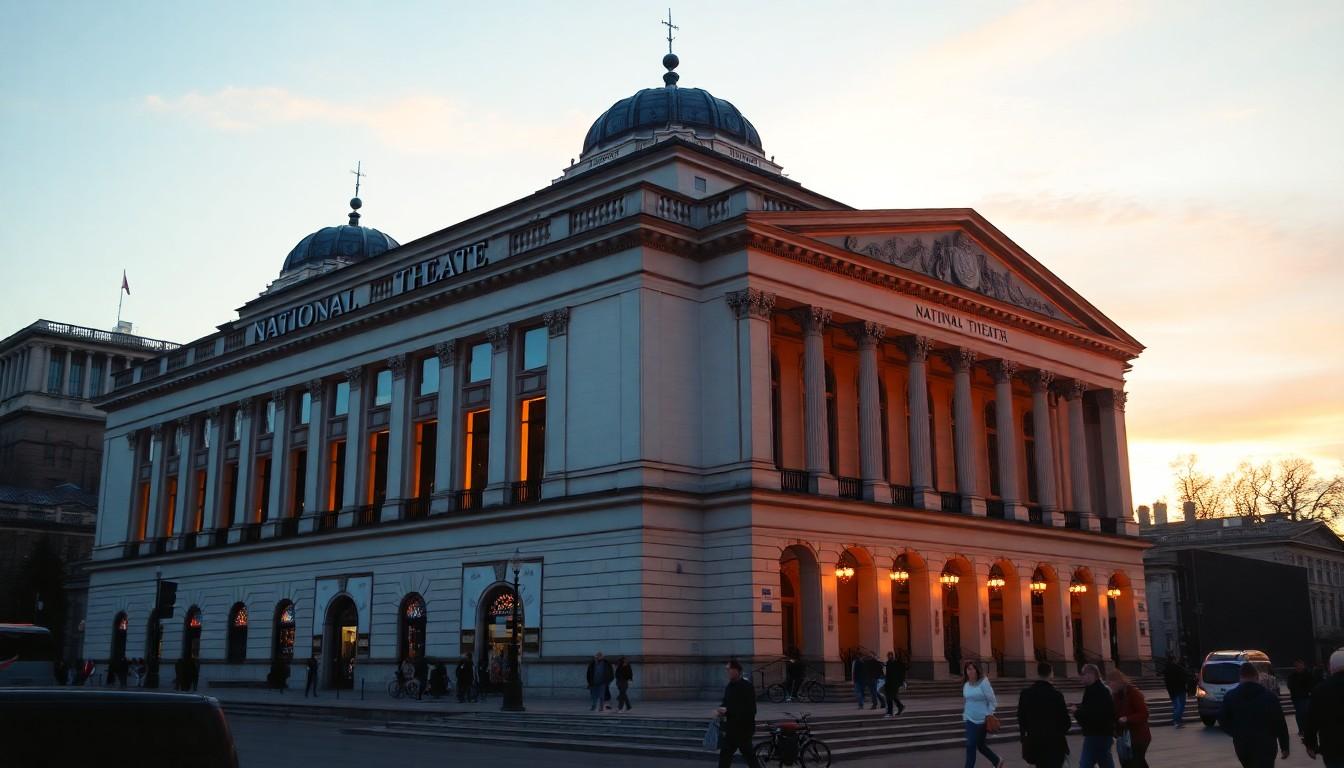
Shoppers are turning their theatre tickets into a lesson in politics and heart , Pride, the new National Theatre musical, has sold out fast, retelling the true 1984 story of Lesbian and Gays Support the Miners and showing why solidarity still matters. It’s joyous, bitter, witty and surprisingly musical , and it already feels like a cultural moment.
Essential Takeaways
- Powerful premise: Based on the real LGSM alliance, the musical links LGBT+ activism and the miners' strike in 1984-85, with a strong emotional core.
- Score variety: Christopher Nightingale’s music shifts from rock-opera to Welsh choral passages, producing memorable, show-stopping numbers.
- Standout performances: The ensemble chemistry is tight; particular praise goes to the lead performers for charisma and comic timing.
- Emotional contrast: The show balances raucous celebration with grief and loss, refusing to sentimentalise a painful era.
- Contemporary relevance: The piece argues that the myth of working-class opposition to progressive causes is historically inaccurate and still misleading today.
A rousing opener that hits you straight in the ribs
The first moments of Pride announce themselves with real theatrical swagger, a bright, sweaty energy that makes the auditorium hum. According to reviews in national outlets, the production wastes no time in establishing both the political stakes and the warmth of the communities involved. You’ll laugh, you’ll clap, and you’ll be tugged under later by quieter, heavier scenes , that contrast is the show’s spine.
How a small campaign became an unlikely alliance
The musical traces how Mark Ashton and Lesbian and Gays Support the Miners raised funds at a 1984 Pride march to support striking miners, building bridges across class and identity. Archive material from LGSM and civic collections recalls how grassroots organising and simple empathy turned into an unexpected partnership between London activists and a Welsh mining village. It’s a neat reminder that history is often messy, improvisational and led by people who simply refuse to accept divisions.
Songs that move from cheeky to heartbreaking
Musically the score doesn’t settle for one register. Reviewers note numbers that range from high-energy anthems to intimate coming-out ballads, and there are moments that reduce an entire theatre to tears with communal singing. That variety is a practical asset: it keeps an audience on its toes and gives each character space to breathe. If you like musicals with a sweep , and a sharp political edge , this one delivers.
Performances that feel lived-in and electric
Critics have highlighted the cast’s ensemble strength and specific performances that electrify the stage. The leads, in particular, are described as having real charisma and timing, which matters when a show pivots from humour to danger in a heartbeat. When actors commit to both the camp and the grief, the story’s stakes become genuine rather than theatrical ornamentation.
Why Pride matters now, not just then
The programme includes reflections from politicians and activists about progress and unease, and the production itself pushes back against a present-day narrative that pits working-class communities against progressive causes. The musical argues that solidarity once triumphed and can again , while also refusing to whitewash the Thatcher-era defeats or the subsequent AIDS crisis. That complicated verdict is what lifts the piece from nostalgia to relevance.
Practical notes if you’re planning to see it
Tickets are in high demand and performances are already selling out, so book early if you want a weekend night. Expect a show that’s both noisy and tearful; bring a scarf for the chill after the emotional high. If you’re new to the history, a quick read on LGSM and the miners’ strike will sharpen a lot of the references and make the chorus moments hit even harder.
It’s a small change in your evening routine that can start conversations about who we stand with , and why.
Source Reference Map
Story idea inspired by: [1]
Sources by paragraph: