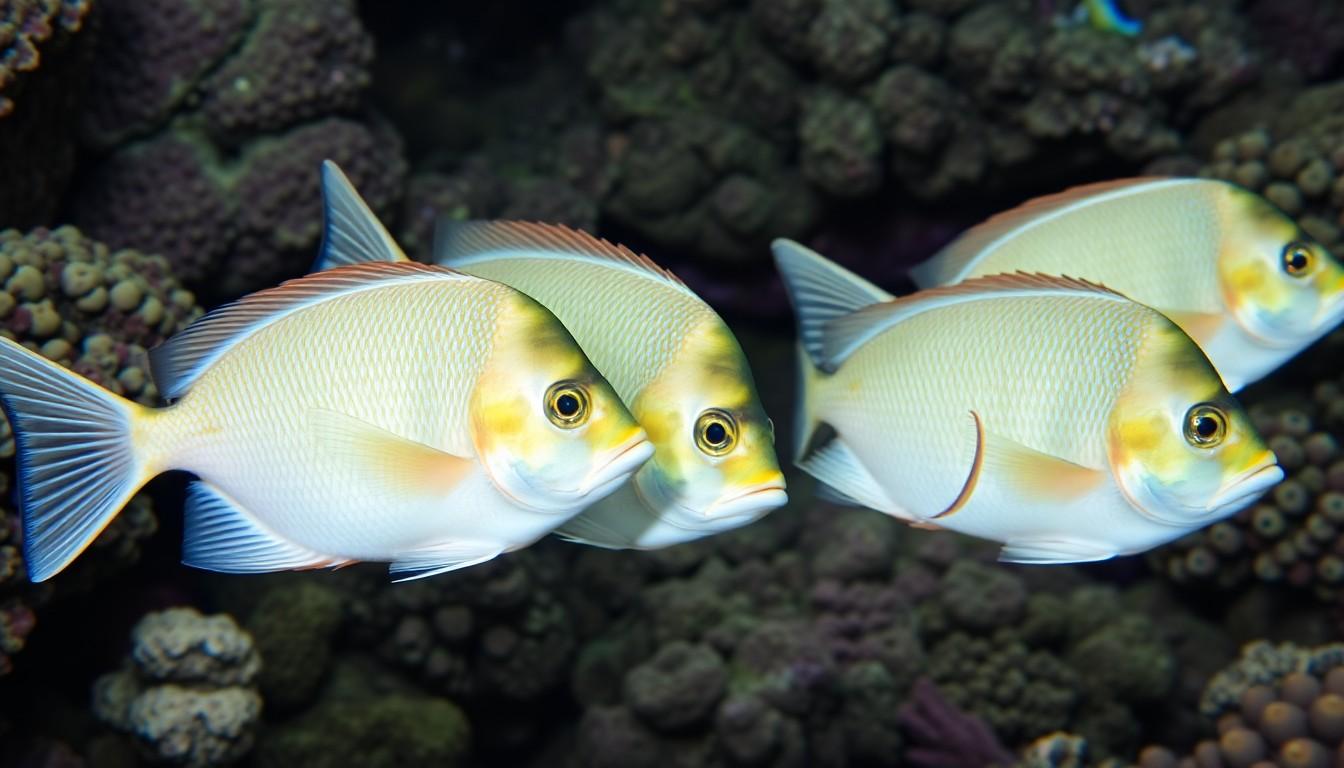
Watch closely and you’ll spot queerness in the wild , from clownfish changing sex to penguins pairing up. Scientists and advocates say these examples matter because they challenge the idea that diversity in gender and sexuality is “unnatural,” and they’re being used in the Philippines to push for stronger SOGIE protections.
Essential Takeaways
- Visible in many species: Same-sex behaviour and sex changes are documented across animals, from penguins to clownfish, and are part of normal life cycles.
- Local examples matter: Filipino species , including certain primates, mussels and lapu‑lapu , show hermaphroditism and non-reproductive sexual behaviour.
- Science challenges stigma: Researchers argue queer ecology dismantles the claim that queerness is unnatural or a human-only exception.
- Policy link: Activists are citing natural diversity while urging lawmakers to prioritise the long-pending SOGIE Equality Bill and related protections.
Nature’s fluidity starts with small, visible acts
If you’ve ever watched Finding Nemo, the scene where a clownfish changes sex feels odd until you remember it’s normal biology. Clownfish are protandrous hermaphrodites , they start life male and the dominant individual can become female. That simple, slightly uncanny fact gives a soft, sensory nudge: nature is more fluid than many of us expect. Researchers have recorded same-sex behaviour in animals for over a century, and scientists now say these patterns aren’t errors or freak occurrences. According to conservation groups, such behaviours are widespread and serve social or reproductive functions in different species. For readers, it’s an easy reminder that the neat boxes we draw around gender don’t always match the lived, sometimes messy, reality out in the world.
Historic records and modern science erase the “abnormal” tag
Early naturalists sometimes hid or rationalised queer behaviour because it clashed with their cultural assumptions. George Murray Levick, for instance, wrote parts of his penguin observations in Greek more than a century ago. Today, biologists and conservationists study these behaviours openly, building a record that includes everything from documented same‑sex courtship to hermaphroditism in shellfish. Philippine authorities have highlighted local research , the first recorded hermaphroditic green mussels in Palawan, and non‑reproductive sexual behaviour among native primates , to show that diversity is not imported or invented. That shift from secrecy to scholarship is part of why queer ecology now feels like a corrective rather than a novelty.
Why queer ecology matters for rights and policy
It’s one thing to point at animals and shrug; it’s another to use natural history to undo stigma. Advocates in the Philippines have been doing both, connecting scientific examples to a push for legal protection. During recent Pride events, groups urged President Marcos to make the SOGIE Equality Bill a priority , arguing that if nature accommodates a spectrum of identities, human societies can too. Policy makers don’t have to accept biological arguments wholesale, but the evidence offers a powerful narrative: discrimination framed as “natural order” has scientific counterexamples. For campaigners, that narrative helps change minds and can speed legal change in schools, workplaces and disaster‑response planning.
How scientists frame same‑sex and sex‑change behaviours
Biologists don’t treat all queer behaviour as one thing. Some cases are reproductive strategies, like lapu‑lapu that begin life as females then shift to males when dominant males disappear. Other instances are social: same‑sex pairings can strengthen bonds, reduce aggression or aid cooperative parenting. The World Wildlife Fund and academic journals outline many functions beyond reproduction. For non‑specialists, the practical takeaway is clear: sexual and gender diversity have ecological roots and roles. That insight matters if you work in education, conservation, or advocacy , it shapes how you explain the natural world without oversimplifying it.
What this means for community conversations and action
Queer ecology doesn’t settle every debate, but it reframes one important one: the claim that queerness is “against nature.” Scientists and environmental agencies in the Philippines are using local examples to normalise diversity, and activists are turning those examples into a call for law and policy. If you want to bring this into conversation, point to specific species and behaviours, keep explanations concrete, and remember the human stakes: legal protections affect safety, work and health. It’s useful, too, to support research , experts say there’s much more to discover about animal behaviour and its social implications.
It’s a small change in how we imagine the natural world, but it can help make conversations about people’s lives kinder and more grounded.
Source Reference Map
Story idea inspired by: [1]
Sources by paragraph: