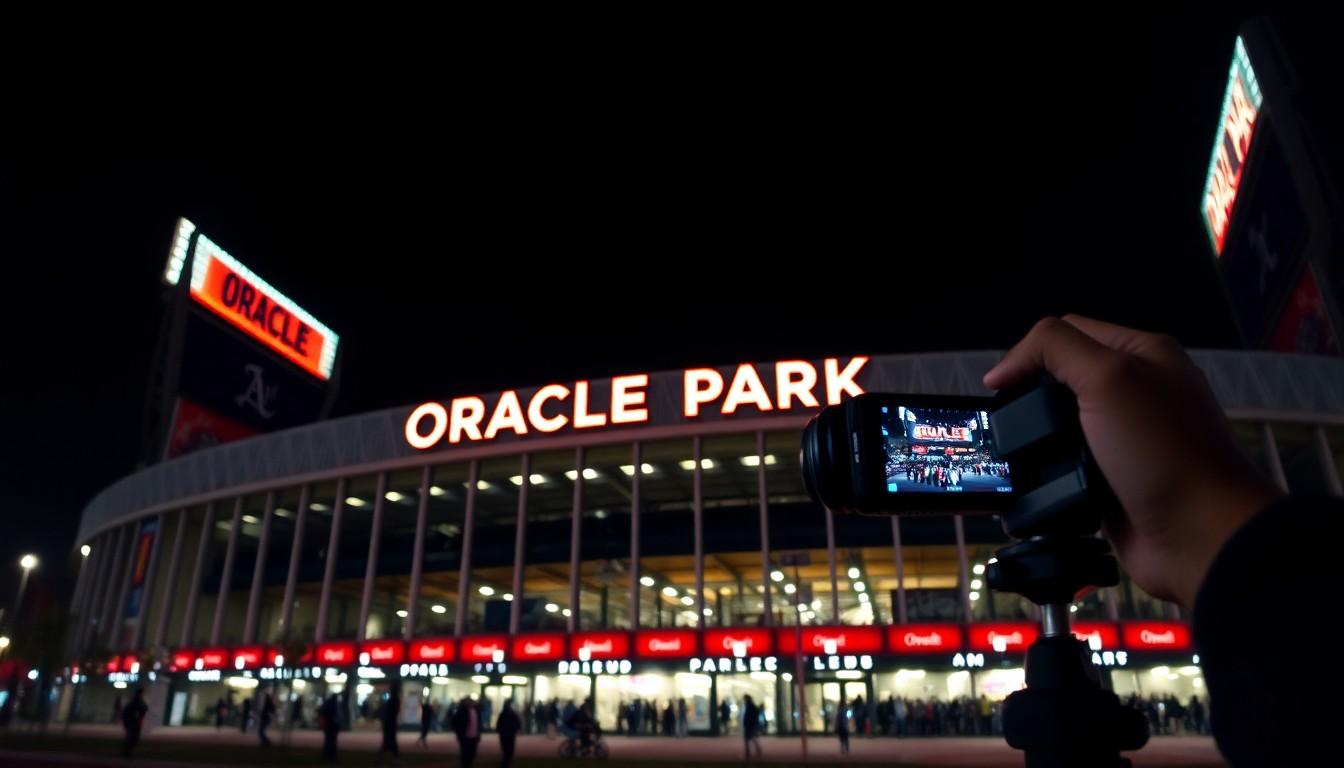
Shoppers and fans alike are watching closely as the San Francisco Giants’ Pride Night controversy unfolds, with long‑time LGBTQ+ supporters asking what the team will actually do next. Fans in San Francisco are upset after players wrote Bible verses on rainbow caps and leadership’s response left many feeling dismissed.
Essential Takeaways
- What happened: Several pitchers wrote Bible verses on team Pride caps or refused to wear them, sparking national media attention and local protests.
- Fan reaction: Longtime gay Giants fans report feeling hurt but not ready to abandon the team; many attended protests and chose not to spend at the park.
- Organisational response: Team leadership’s “both sides” posture and muted press comments have frustrated supporters and intensified calls for clearer policy.
- Community tone: Online groups that once celebrated players are now debating faith, representation and what Pride means at Oracle Park.
- Practical impact: Some fans continue to attend games but are voting with wallets and presence; merchandise choices and protest signs are visible at events.
Why one weekend has upended a decade of goodwill
The sharpest moment came when pitchers scrawled Bible verses across the glittered rainbow caps meant for Pride Night, and one player declined to wear the hat altogether , a visual that landed like a punch for queer supporters who’d long considered the Giants allies. According to national outlets, the incident has attracted attention beyond San Francisco, prompting wider debate about sports, symbols and inclusion. For many fans it wasn’t just a tweet; it was a small, public act that felt personal, and people reacted emotionally.
Backstory matters here. The Giants have a history of collaborating with LGBTQ+ causes and been part of local charity work, so this felt like a break with the image long cultivated. Fans say they remember players and campaigns that supported queer youth, and they’re asking why one moment now seems to undo years of work. The tension isn’t only about the caps; it’s about whether the team’s current leadership will match past values with concrete action.
How fans are responding , protest, protest hats and protest wallets
Longtime supporters have been pragmatic and visible. Some, like fans who normally buy food and merch at Oracle Park, deliberately didn’t spend during the game after Pride Night. Others attended protests outside the stadium, wearing old Pride giveaways and handing out signs , a mix of grief, resolve and theatre. Online, a fan Facebook group that once posted roster gossip has become a hub for organising and debate.
People aren’t quitting the team en masse, but they are signalling disappointment. Some will keep going to games, others say they’ll keep showing up but won’t give money to the franchise until it addresses their concerns. That’s a hard message to ignore for any club that relies on loyal supporters to fill stands and buy jerseys.
What the team said , and why that’s irked people
Team leaders were criticised for what fans called a “both sides” response, and key figures declined to answer detailed questions at a press conference. Major League Baseball’s office has also weighed in, with the commissioner noting that the guidance around the event was mishandled. That kind of official attention amplifies the story and increases pressure on the Giants to be explicit about their position on inclusion and what Pride Night is meant to represent.
Fans are asking for clear policy changes: training, unambiguous expectations for players, and a statement that goes beyond neutral language. Silence or equivocation hasn’t reassured those who turned up in rainbow gear expecting to be celebrated.
Faith, identity and the messy middle , why some fans are calling for nuance
The controversy has highlighted a deeper cultural fault line: the intersection of religious expression and LGBTQ+ visibility. Some fans insist faith communities don’t have a monopoly on moral language, while others argue players expressing personal beliefs crosses a line when those expressions deface a team symbol meant to celebrate a community. Commentators and local supporters have tried to steer the conversation away from punishment and toward dialogue, insisting that change comes from hearts, not just headlines.
That means fans want both accountability and a path forward that recognises religious freedom but protects the spirit of Pride events. Expect more conversation about how teams set boundaries around what’s acceptable at officially sanctioned events.
What fans can do now , practical steps and what to watch for
If you’re a fan wondering how to respond, there are practical options: attend with a clear message, wear your own Pride gear, avoid spending at concession stands until the club responds, or take the conversation online to verified team channels. Watch for official policy updates, any new training programmes for players and staff, and statements from MLB about event guidelines.
Media coverage shows this story isn’t going away quickly. The team’s next moves , an apology, stricter guidance, or a community engagement plan , will tell fans whether their concerns are being heard. Meanwhile, local supporters are keeping the pressure up in ways both symbolic and financial.
It's a small change in behaviour by a few that’s forced a big conversation , and fans are watching closely.
Source Reference Map
Story idea inspired by: [1]
Sources by paragraph: