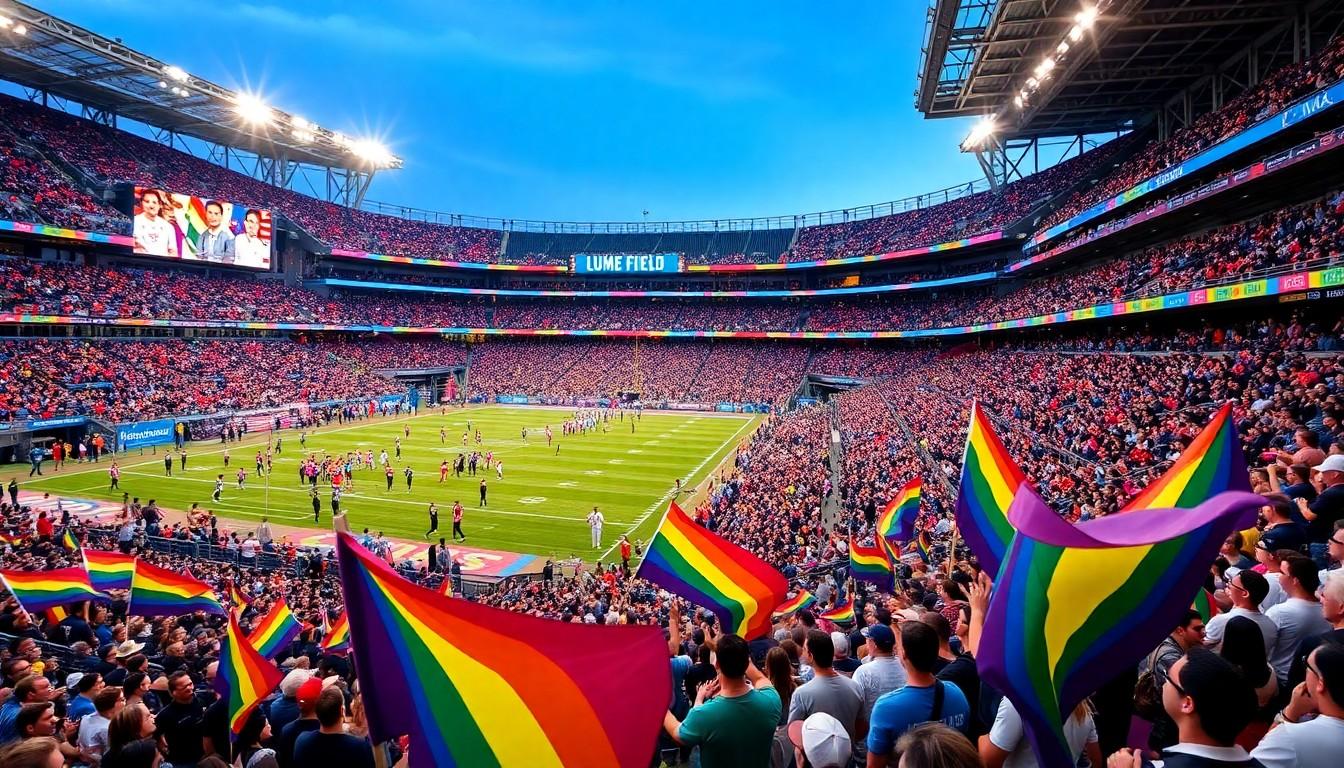
Shoppers are turning to headlines about Seattle as FIFA confirms rainbow flags will be allowed at the Egypt v Iran group game, a decision that matters because it pits stadium free‑expression rules against cultural objections from two nations where homosexuality is criminalised. Here’s what happened, why it’s different from Qatar 2022, and practical tips for fans attending the match.
Essential Takeaways
- FIFA rule change: Rainbow flags are permitted under the World Cup 2026 Stadium Code of Conduct as a form of human‑rights expression, subject to size and stadium regulations.
- Local context matters: The Seattle fixture coincides with the city’s Pride weekend and was tagged a local “Pride Match” by organisers, prompting the clarification.
- National objections: Egypt and Iran have formally objected, citing cultural and religious values; Iran’s laws include severe penalties for same‑sex relations.
- Contrast with 2022: Unlike the Qatar tournament, host‑city free‑speech protections in the US limit the scope for blanket bans on Pride symbols.
- Fan practicalities: Stadium rules still apply , check size limits, avoid political messaging beyond permitted human‑rights statements, and expect heightened scrutiny at entry points.
What FIFA actually said , and why it matters
FIFA has made a clear legal move: the World Cup 2026 Stadium Code of Conduct explicitly allows “general statements of human rights,” which FIFA has interpreted to include rainbow flags and related symbols, provided they meet stadium rules. That’s a practical, paper‑based approach that shields match officials from ad‑hoc calls to confiscate items. For fans, the takeaway is simple , you can bring a flag, but follow the rules on dimensions and attachments.
The policy shift matters because it acknowledges the realities of staging matches in cities with strong free‑expression traditions. It also signals that FIFA will rely more on written stadium codes than the kind of ad‑hoc enforcement we saw in 2022.
How Seattle’s Pride weekend changed the calendar
Seattle’s local organising committee designated the Egypt v Iran fixture as part of city Pride activities, which is what flicked the switch from a routine match to a headline event. Local Pride plans and a high‑profile match happening the same day created an awkward overlap that forced FIFA to clarify its position.
This isn’t about FIFA endorsing a civic festival; as Gianni Infantino told press, the match is a World Cup fixture and the city’s Pride events are separate. But when a match happens in the middle of a big municipal celebration, separation in theory doesn’t always feel separate on the ground.
Why Egypt and Iran objected , and the larger diplomatic tug
Both federations objected on cultural and religious grounds, saying Pride symbols clash with their national values. That response was predictable: homosexuality remains illegal in both countries, and Iran’s penalties are among the harshest globally.
That clash has made this match a microcosm of wider tensions between local laws on free expression and visiting teams’ domestic norms. It also puts FIFA in a delicate position, balancing the tournament’s global reach with the safety and dignity of players and fans.
How this differs from Qatar 2022 , legal context and enforcement
Remember the headlines from 2022 when European captains pulled back from wearing “OneLove” armbands and fans said Pride items were confiscated? The difference now is geography and law. The 2026 tournament is spread across the US, Canada and Mexico, where legal protections for LGBTQ+ expression are much stronger than in Qatar.
That legal environment limits what local organisers and stadiums can lawfully ban. FIFA’s written allowance therefore aligns with local free‑speech expectations, rather than relying on threat of sporting sanctions to enforce a uniform cultural stance.
Practical tips for fans heading to Seattle
If you’re going to the match, plan ahead. Check the official stadium code for size and attachment rules, stow anything that could be seen as a political banner beyond a human‑rights symbol, and arrive early , security will be thorough. If you want to make a statement, a small, regulation‑sized flag or pin is the safest bet; anything large, pole‑mounted or tied to provocative slogans risks being refused.
Be mindful too of the mood in the stands. This game will be emotionally charged for many; keep support respectful and avoid confrontational behaviour. Knowing the rules helps you exercise your right to express yourself without spoiling someone else’s day.
It's a small change in policy that could make a big difference in how fans experience the tournament and how FIFA navigates future controversies.
Source Reference Map
Story idea inspired by: [1]
Sources by paragraph:
- Paragraph 1: ,
- Paragraph 2: ,
- Paragraph 3: ,
- Paragraph 4: ,
- Paragraph 5: ,