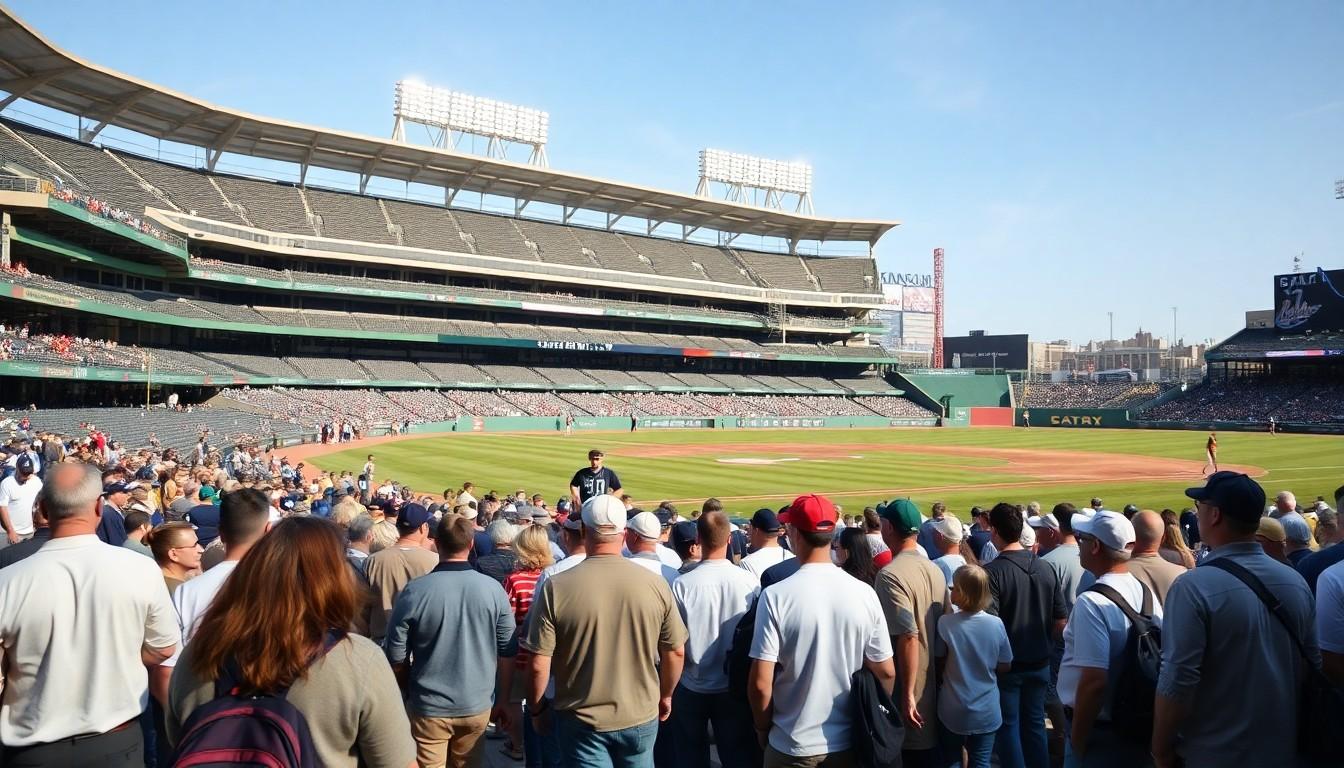
Shoppers and fans noticed a rare clash of culture and conscience at Oracle Park when the San Francisco Giants staged a Pride Night , and three pitchers responded by wearing caps marked with Bible verses. The move sparked MLB discipline talk, a Department of Justice inquiry, and a wider debate about religion, free expression and inclusion in sport.
Essential takeaways
- What unfolded: Three Giants pitchers replaced Pride-themed cap patches with handwritten Bible verses during Pride Night, creating an immediate visual and emotional flashpoint.
- Official response: Major League Baseball threatened discipline; the Department of Justice has opened an inquiry into whether the league’s actions amount to religious discrimination.
- Fan scene: The event itself included same-sex couples renewing vows, a drag performer officiating and an LGBTQ-affirming church singing the national anthem, creating a vivid, celebratory atmosphere.
- Public reaction: Reactions split , some praised the pitchers for standing by religious conviction, others said the act was antagonistic and undermined the celebratory event.
- Practical note: The controversy highlights how workplace conduct rules, religious expression and inclusion policies can collide in professional sports.
What exactly happened on Pride Night , the moment that lit the fuse
The San Francisco Giants staged a full Pride Night, with the outfield ceremony featuring same-sex couples renewing vows, a drag queen presiding and an LGBTQ-affirming church performing the national anthem, an openly celebratory scene that felt bright and theatrical. During the game, three pitchers opted to substitute the club’s Pride cap patches with handwritten Bible verses referencing Genesis. That small, tactile gesture carried a lot of heat , visible to fans, broadcast on screens and amplified across social media. The patch swap was more than a wardrobe tweak; it read as a public statement in the middle of a cultural event many had come to enjoy.
Why MLB moved to discipline and how the DOJ got involved
Major League Baseball signalled it might discipline the players for breaching uniform or conduct rules, prompting questions about where team policy ends and personal belief begins. The Department of Justice has since stepped in to investigate whether the league’s response could amount to religious discrimination, turning what looked like an internal sports dispute into a federal civil-rights matter. According to reporting, regulators are weighing whether players’ written religious expressions are protected under federal law when they conflict with a team-sponsored inclusion initiative. It’s a reminder that workplace rules and constitutional protections sometimes collide awkwardly when belief and public spectacle meet.
The cultural context , sports, identity and public rituals
Pride nights are now a common part of many professional sports calendars, designed to welcome LGBTQ fans and visibly signal inclusivity. For many, they’re festive, community-focused and easy to support; for others, the pageantry feels like a politicised patch on what used to be straightforward entertainment. The pitchers’ action taps into a broader cultural friction: young athletes and fans who feel their religious convictions are squeezed out by institutional enthusiasm for identity politics. This episode shows how rituals once seen as purely celebratory can become battlegrounds over values when visible dissent appears on the field.
How different groups are talking about it , feelings and framing
Supporters of the pitchers frame the act as a fidelity to faith rather than a rejection of individuals, saying the Bible verses were meant to reclaim a symbol for religious meaning. Critics argue the gesture was intentionally provocative during a community-focused ceremony and risked making fans feel excluded. Media coverage has followed that split, with some outlets emphasising free-expression and conscience rights and others highlighting the importance of preserving inclusive spaces. The conversation isn’t just about uniform rules; it’s about how institutions balance the dignity of groups with the conscience of individuals.
Practical takeaways for sports fans, players and team managers
If you’re a player or manager, this episode underlines the value of clear, pre-emptive policies that cover religious expression, uniform standards and ceremonial events, so surprises don’t become federal cases. Fans should expect more moments like this as teams try to signal values while individual employees assert personal beliefs. For organisers, the lesson is to plan for dissent , training, communication and channels for private expression can reduce public clashes. And for everyday observers, the row is a prompt to reflect: can institutions be visibly inclusive without sidelining religious conviction, or will these conflicts recur as public rituals expand?
It's a small change in wardrobe that has opened a much larger conversation about belonging, belief and the rules of the game.
Source Reference Map
Story idea inspired by: [1]
Sources by paragraph: