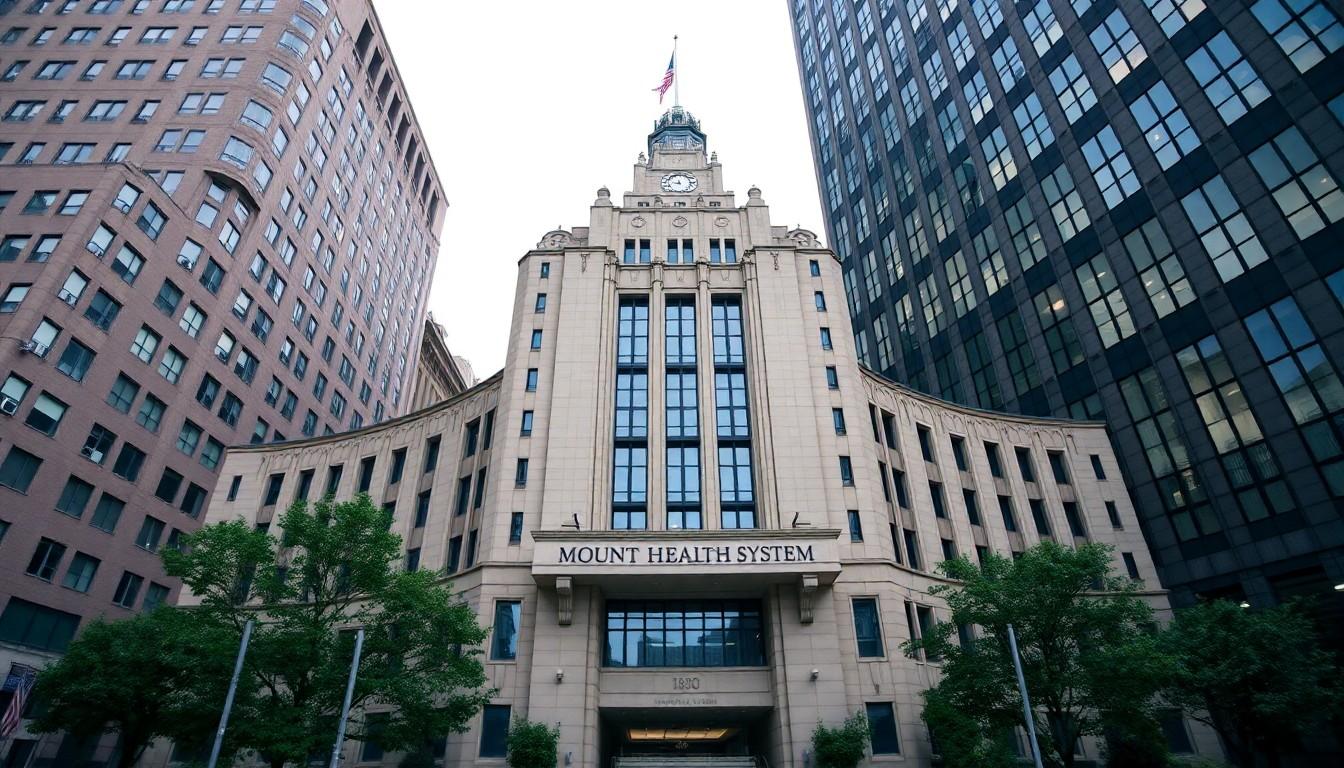
Shoppers are turning to newsfeeds this weekend as NYC Pride defends letting hospital systems march despite criticism; organisers say keeping hospital contingents helps hold institutions accountable while supporting LGBTQ+ staff and families affected by recent policy changes.
Essential Takeaways
- What happened: NYC Pride is allowing hospital systems that recently ended gender-affirming care for minors to march in the parade, a move that has drawn protests from trans-rights groups and families.
- Organisers’ rationale: Heritage of Pride says keeping medical partners involved lets them advocate from inside and supports LGBTQ+ employees who want to march.
- Who’s affected: NYU Langone and Mount Sinai have been singled out after stopping care for trans youth following federal pressure.
- Local response: Activists call the decision a betrayal, saying hospital participation can whitewash policies that harm trans youth.
- Practical note: Pride organisers plan panels and invited families to speak at satellite events to centre affected voices.
Why organisers say hospitals should march , and why people are angry
Heritage of Pride argues that excluding entire hospital systems would erase the LGBTQ+ staff and patients who rely on those institutions for community and employment. The tone of the defence is pragmatic: keep relationships open, they say, so you can push for change from inside rather than shutting the door. That's a familiar tension in activism , do you punish institutions that harm communities, or stay engaged so you can influence them? The move has an uneasy feel for many activists, who say visibility can quickly become cover for harmful policies.
What prompted hospitals to stop care for trans youth
Multiple major health systems recently rescinded or limited gender-affirming services for minors after federal threats to funding, a context that sits behind the current row. Those decisions have left families scrambling and advocacy groups furious because access to care isn’t merely symbolic for trans youth , it can be lifesaving. So when the same health systems show up under Pride banners, critics see contradiction: marching shoulder-to-shoulder while simultaneously restricting care.
The activist response: accountability versus inclusion
Groups representing trans youth and some former Pride grand marshals demanded a ban on hospital contingents, arguing that allowing them to march sanitises complicity in policies that harm minors. Organisers counter that many contingents are driven by internal LGBTQ+ employee networks, not the executive decisions of a hospital board. That argument resonates for some , employees want to be visible , but it doesn’t satisfy those who want institutions to face consequences for system-wide policy changes.
What organisers are doing beyond the march
Heritage of Pride says it’s not ignoring the fallout: the nonprofit plans to invite families affected by the decisions to speak at Youth Pride, PrideFest and a press event. That’s an attempt to centre harmed voices even while keeping institutional partners involved. It’s a useful compromise for people who want both accountability and broad participation, though critics will watch whether those invitations lead to concrete policy shifts or merely symbolic moments onstage.
How to read this if you’re heading to Pride
If you’re going to the march or side events, expect a charged atmosphere. There will be demonstrators, family testimonies and health-system contingents. If you want to support trans youth directly, look for panels and booths hosted by advocacy groups at PrideFest, or connect with organisations doing legal and medical referrals. And if you work at one of the affected hospitals and plan to march, consider amplifying calls for institutional change rather than treating participation as endorsement.
It's a small change in parade protocol that signals a larger debate about how movements hold institutions to account.
Source Reference Map
Story idea inspired by: [1]
Sources by paragraph: