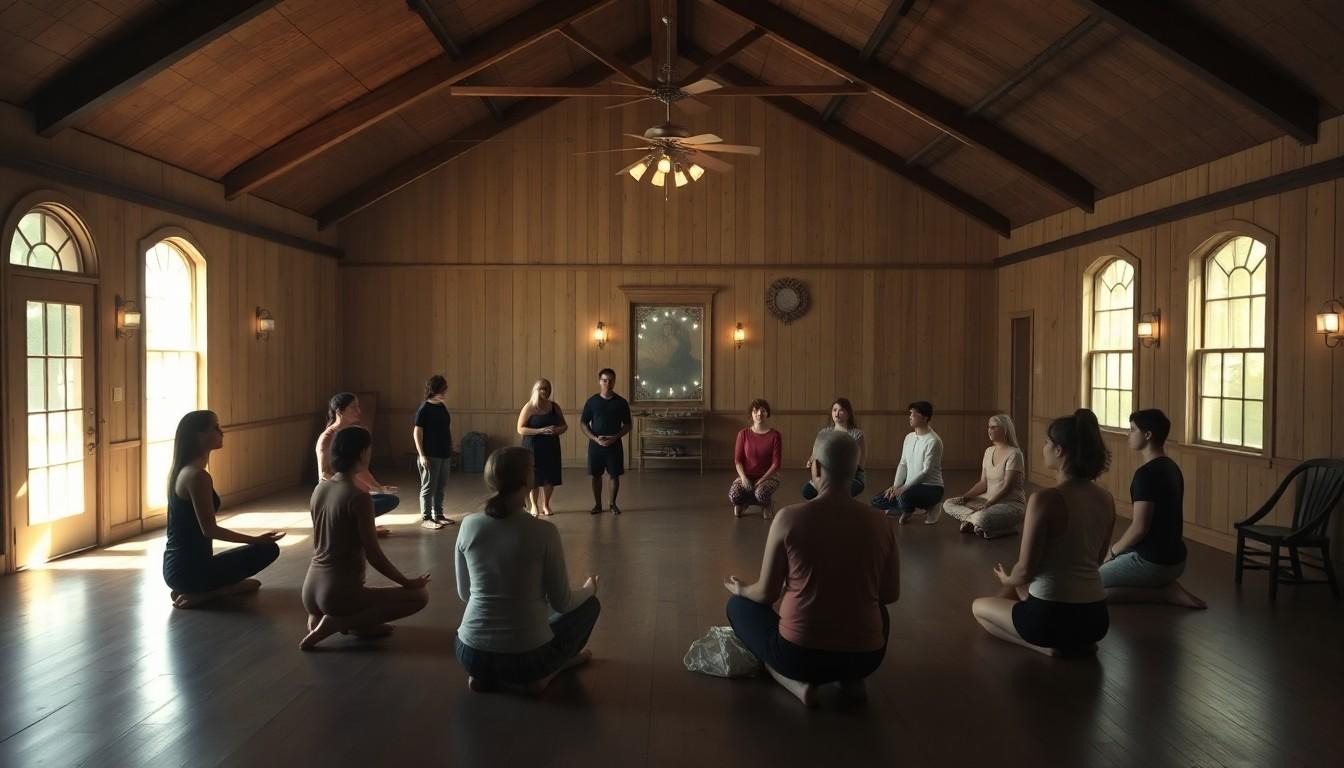
Explore how communal movement, breathwork and somatic healing are becoming trusted tools for LGBTQ+ people seeking connection, relief and resilience when talk therapy and medication alone don’t cut it. From ecstatic dance to guided breath circles, here’s what’s trending, why it matters and where to start.
- Immediate calm: Breathwork sessions often produce a noticeable sense of ease or clarity within a single practice.
- Embodied belonging: Communal movement like ecstatic dance creates a low-pressure way to feel seen and connected, even without talking.
- Accessible tools: Many practices require no special gear , just space, willingness and a sitter or facilitator.
- Complementary, not replacement: Practitioners stress these methods work alongside therapy and medication, especially for emotional regulation and trauma release.
- Senses matter: Expect music, rhythm and breath to heighten feeling , it can be intense but cathartic.
Why communal practices are resonating now
People are craving experiences that feel real, immediate and social, and communal breathwork and movement deliver just that. According to community organisers and attendees, these sessions offer a tactile way to process emotions , the rhythm of breath, the thud of music, the warmth of a roomful of people. For many LGBTQ+ participants, that sensory mix also brings relief from stigma and a chance to be seen without labels.
The revival of these ancient techniques has practical roots. Breath practices and somatic approaches have visible benefits for stress and nervous-system regulation, which makes them attractive in an age of rising anxiety. If you’ve struggled to feel understood in clinical settings, joining a movement circle or breathwork community can provide both toolkit and tribe.
Ecstatic dance: moving beyond steps
Ecstatic dance is less about choreography and more about permission , to move how you need, to cry, laugh, or simply sway. Events are often DJ-driven, creating an arc of music that supports release and reconnection. Participants describe a palpable “no-judgement” vibe where social hierarchies recede and the focus is on presence.
If you’re new, look for events that explicitly state community values and offer guidelines around consent and safety. Bring water, wear comfortable clothing and remember that leaving early is fine; the point is your experience, not endurance. For many queer attendees, ecstatic dance becomes a weekly ritual that replenishes social and emotional reserves.
Breathwork circles: real tools for regulation
Guided breathwork ranges from gentle pranayama to deeper, cathartic techniques. Practitioners trained in trauma-informed methods emphasise safety: creating clear container (start and end routines), offering modifications, and providing aftercare. Breathwork can shift physiology fast , people often report relaxed shoulders, clearer thinking, or unexpected emotional release.
Look for groups led by facilitators who name their training and offer trauma-aware options. If you have a history of cardiovascular or psychiatric conditions, check with a clinician first. Otherwise, start with shorter practices and incrementally try longer sessions as you learn how your body responds.
Somatic healing and integration: what happens after the session
The work doesn’t stop when the music fades or the breath session ends. Somatic healing focuses on sensations and patterns stored in the body; integration might include journaling, peer sharing, or quiet time. Communities often pair movement nights with follow-up spaces where people can talk, sip tea and process what came up.
That integration phase is especially important for queer people navigating identity-related trauma or minority stress. Talking afterwards, or simply being in the company of others who understand, helps translate intense experiences into sustainable coping skills.
Finding and joining queer-friendly communities
Meetup groups, local studios and community centres increasingly host LGBTQ+ specific breathwork and movement events. London and other cities have thriving breathwork collectives and online directories point you toward trauma-informed practitioners. Start with beginner-friendly sessions, check facilitator credentials, and read community reviews.
If you can’t find a local group, there are online classes and recorded breathwork practices that let you experiment in private. But there’s a different alchemy in shared space, so if it feels possible, try an in-person event once you’re comfortable.
It’s a small change that can make being with yourself and others feel a bit easier.
Source Reference Map
Story idea inspired by: [1]
Sources by paragraph: