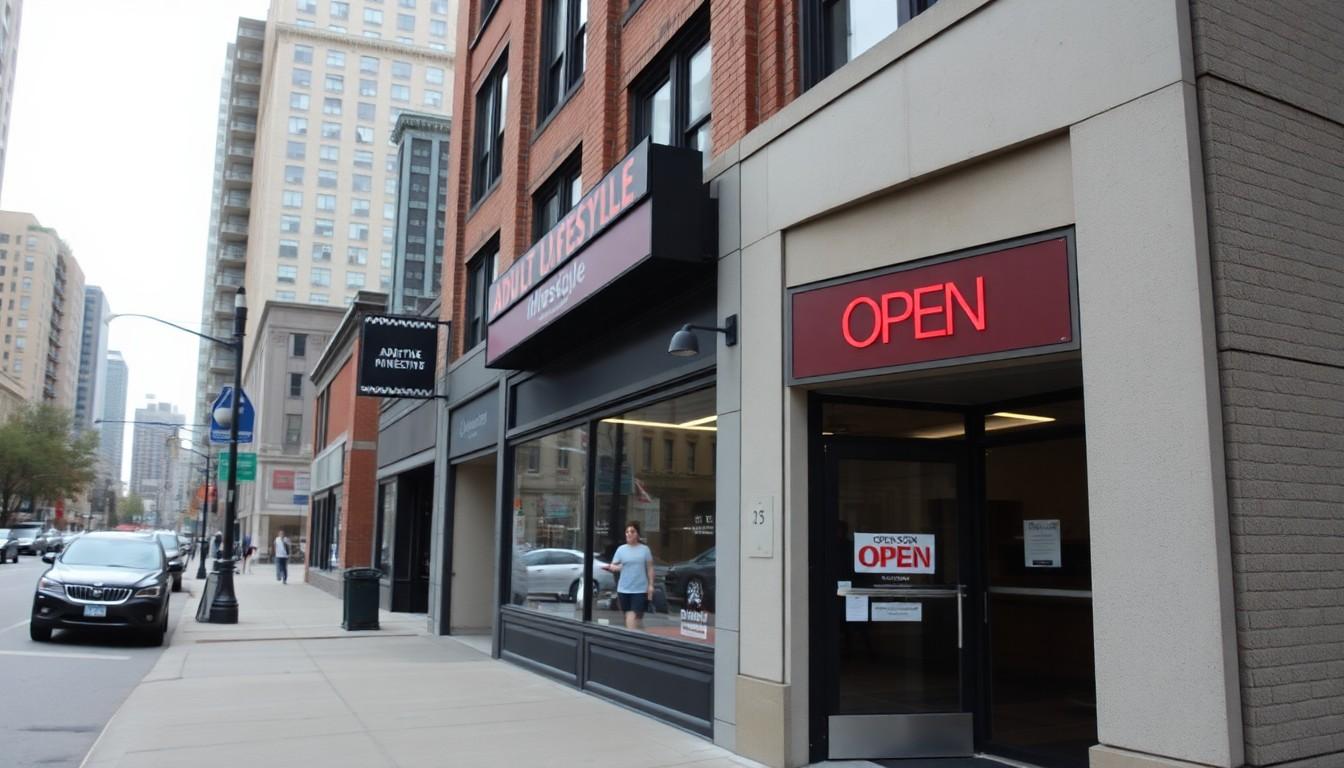
Shoppers are turning to history and public health as Minneapolis moves to repeal a nearly 40‑year ban on adult bathhouses; council members say this is about safety, community and up‑dating laws that long targeted queer people, and the decision could shape how other cities regulate commercial sex venues.
- Council vote: Minneapolis City Council approved repeal by 9–2, signalling official support to revisit rules first passed during the AIDS crisis.
- Not immediate openings: Regulations and zoning still need to be written; facilities won’t be able to open until safety and licensing requirements are set.
- Public health focus: Proposals lean on San Francisco‑style guidelines , condoms, staff training, waste disposal and onsite testing or referrals.
- Mixed community views: Some long‑time activists and residents oppose reopening venues, citing safety or moral concerns; advocates say saunas reduce isolation and support HIV prevention.
- Practical detail: Mayor Jacob Frey supports repeal and is expected to sign; the move follows campaigning by the Safer Sex Spaces Coalition.
Why Minneapolis revisited a four‑decade‑old law
The city’s repeal follows a 9–2 council vote and comes after years of advocacy to remove language from the original 1988 ordinance that specifically targeted queer people. The old ban was born at the height of the AIDS crisis, carrying with it stigma as well as public‑health intentions. Now the city is acknowledging that modern sexual‑health strategies and community needs have changed. The immediate feeling in the chamber was measured but hopeful; councilmembers framed this as correcting an outdated law while stressing that safety rules must come next.
What this actually means for bathhouses and public health
Repeal doesn’t equal immediate business permits. The council made that clear , zoning rules, licensing and health standards still need to be drafted, and officials say they’ll look to models used elsewhere. San Francisco’s framework is the obvious reference point: routine condom provision, clearly posted policies, staff training on safer‑sex outreach, proper waste disposal and access to showers and testing resources. Public‑health advocates argue that regulated spaces can increase testing, reduce risk and provide safe environments where people aren’t isolated.
The politics and personal histories that shaped the vote
Jason Chavez, the council’s only openly LGBTQ+ member, co‑authored the ordinances and invoked Brian Coyle, the out councillor who voted for the 1988 ban and later died of AIDS‑related complications. That moment underlined how painful and complicated this history is. Some councillors voted against repeal after consulting constituents and older activists who remain sceptical. The debate married policy with memory , it wasn’t only about zoning and inspections, but also about acknowledging the harms that earlier policies inflicted on queer communities.
How advocates made their case , and what they say it achieves
Local groups, notably the Safer Sex Spaces Coalition, pushed to remove discriminatory language and then to repeal the ban outright. Their pitch is both practical and human: commercial sex spaces, they say, are settings for outreach, testing and community building rather than simply risky backrooms. Research cited by advocates suggests these venues can be part of an HIV‑prevention toolkit, offering condom distribution, on‑site information and pathways into treatment. For many users, such spaces also reduce loneliness and foster identity and camaraderie , a social benefit that’s easy to underestimate.
What opponents worry about, and how the city might respond
Not everyone is convinced. Some residents and long‑time activists raised concerns about safety, neighbourhood impacts and moral questions. The council’s reply has been procedural rather than dismissive: regulations can be written to address nuisance concerns, require staff training and set clear operating standards. Expect robust public hearings as zoning maps are updated and the city drafts specific rules. If that process is handled transparently, opponents may find reassurances in concrete safeguards rather than abstract promises.
Where this fits in a wider trend
Cities are rethinking laws born in a different era, balancing harm‑reduction and community values. Minneapolis isn’t acting in isolation , discussion about legal, regulated sex venues has been bubbling in other urban centres too. For policymakers, the task is practical: translate public‑health evidence into enforceable rules that protect neighbours and users alike. For communities, the task is cultural: decide whether a regulated, safer venue is something they want in their neighbourhoods.
It's a small but meaningful legal change that could reshape where and how queer people gather , and how cities think about safety, dignity and sex.
Source Reference Map
Story idea inspired by: [1]
Sources by paragraph: