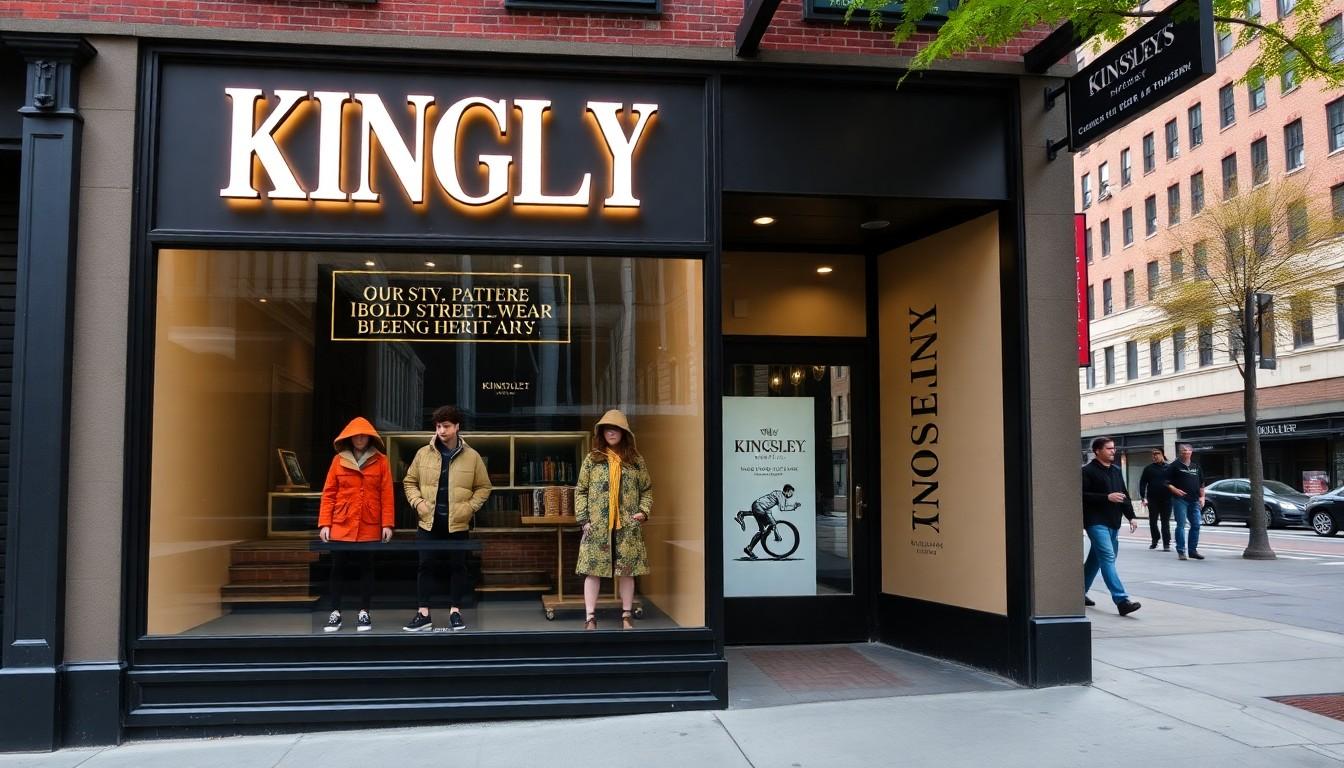
Shoppers are spotting a bold shift: Black queer and non-binary designers are quietly shaping mainstream style, from club-ready knitwear to sculptural tailoring, here’s who to know, why it matters, and how their work is changing what Pride fashion looks like in the long term.
Essential Takeaways
- Boundary-pushing craft: Designers like No Sesso blend hand-wrought knitwear with club culture, producing pieces that feel tactile, rebellious and wearable.
- Joyful silhouettes: Christopher John Rogers champions exaggerated shapes and prismatic colour pairings for outfits that feel celebratory and empowering.
- Heritage-led design: Edvin Thompson and Rachael Scott fuse Caribbean rhythms with contemporary structure, offering designs that smell faintly of summer and resistance.
- Accessories as statement: Brandon Blackwood and Coco and Breezy show how bags and eyewear can be architectural, gender-neutral and instantly recognisable.
- Community-first mission: Many labels explicitly centre Black, queer and femme bodies, translating ballroom, streetwear and island culture into high-fashion gestures.
Why these designers matter , visibility that actually changes the conversation
Fashion’s glossy runways have finally begun catching up, but the real revolutions were already happening in basements, clubs and family kitchens. No Sesso’s deconstructed gowns paired with hoodies, for instance, feel like a lived-in aesthetic, soft, subversive and fiercely made. According to Essence coverage, these are not capsule trends; they’re lived identities translated into fabric. So when you buy or wear these pieces, you’re participating in a cultural conversation, not just a seasonal look.
No Sesso: punk-knits and sanctuary dressing
No Sesso, the Italian-named label run by Pia Davis and Autumn Randolph, treats knitwear as armour and partywear as ritual. Their garments have a tactile, hand-wrought quality and a club-culture energy that’s both intimate and loud. Essence profiles note the brand’s fusion of hoodies with deconstructed gowns and pinstripe girdle shorts, which makes them great for anyone who wants clothes that move between protest, runway and late-night dancefloor. If you’re choosing a piece, pick cuts that allow layering, this brand rewards playful styling.
Christopher John Rogers: joy in colour and scale
Christopher John Rogers has become shorthand for confident, oversized glamour. His designs read as unapologetic celebration, big shoulders, full skirts, and colour combinations that sing. The brand’s aesthetic insists on taking up space, a political statement dressed as pure pleasure. For shoppers, that means investing in a statement coat or dress that will last across seasons; these pieces are meant to be seen and to lift the wearer’s mood.
Caribbean roots and city pulse: Edvin Thompson and Rachael Scott
Edvin Thompson treats fashion like a love letter to Jamaican dancehall culture while nodding to New York grit, which gives his work a rhythmic, kinetic feel. Rachael Scott’s Diotima mines Caribbean traditions for sensual, historical storytelling through luxury design. Both designers remind us that heritage-led fashion can be contemporary and urgent. When shopping, consider the story behind the garment, these pieces carry cultural memory and are worth treating with care.
Accessories and visibility: Brandon Blackwood, Coco and Breezy
Accessories can do heavy lifting when it comes to identity. Brandon Blackwood has built an empire of bags that read as both accessible and aspirational, often collaborating to spotlight queer creators. Twin sisters Coco and Breezy approach eyewear as tiny sculptures, offering gender-neutral shapes that instantly trademark a look. If you want to dip a toe in this wave, start with a bold bag or pair of frames; they transform basics into statements without overhauling your wardrobe.
What this shift means for Pride, and for everyday dressing
This is less about weekend-only Pride capsules and more about long-term cultural reclamation. Designers are translating ballroom, Caribbean, club and street cultures into garments that belong in everyday life, not behind velvet ropes. Industry recognition is following, awards and runway slots are catching up, so buying into these brands supports designers who are building sustainable, community-rooted businesses. A practical tip: size thoughtfully and look for pieces that encourage layering, so you can adapt the statement to different settings.
It's a small change that can make every outfit feel like an intentional act of celebration.
Source Reference Map
Story idea inspired by: [1]
Sources by paragraph: