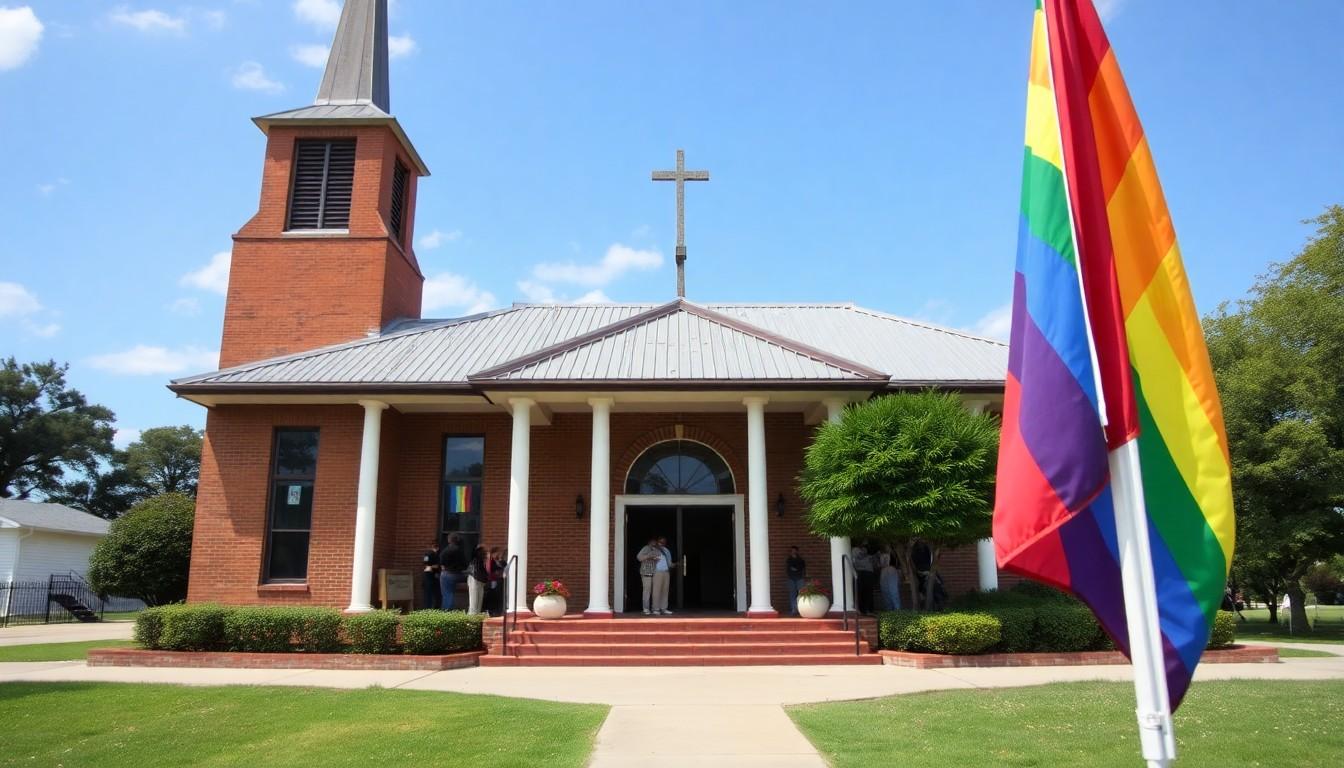
Shocked readers are grappling with a pastor advocating government action against Pride-supporting churches; the claim comes from a Texas-based anti-LGBTQ+ ministry and matters because it targets religious freedom, local property and the safety of LGBTQ+ worshippers. Here's what happened, why it matters, and how communities can respond.
Essential Takeaways
- What was said: A Christian nationalist pastor urged politicians to quietly endorse seizing buildings of churches flying Pride flags and removing leaders he called “wolves.”
- Who’s involved: The remarks aired on a Right Response Ministries podcast hosted by Joel Webbon and Wesley Todd, both known for extreme anti-LGBTQ+ views.
- Legal and social risk: Experts and congregations could face chilling effects; forced seizure of houses of worship would clash with constitutional protections and provoke legal battles.
- Community impact: Many churches already welcome LGBTQ+ people, so the proposal would affect congregations, staff and queer worshippers who rely on those spaces.
- Practical response: Keep records, stay connected with legal and advocacy groups, and consider safety plans for congregations and clergy.
The claim: a pastor asked for churches to be seized , and why that lands like a threat
The blunt line here is that a guest on a podcast urged state forces to identify churches flying Pride flags, remove their ministers and auction off the property. That’s a visceral image , municipal officers marching through downtown, banners coming down, pulpits emptied. The hosts framed it as moral and even patriotic, but listeners heard something far more menacing: a call for state punishment of religious communities for supporting LGBTQ+ people. According to reporting, the suggestion was described as “righteous” and “pro-American,” language meant to cloak coercion in civic duty.
Who the speakers are and the broader pattern of rhetoric
The hosts behind the remarks have a recent history of inflammatory statements about LGBTQ+ people, educators and minorities. In previous episodes and reports they’ve blamed teachers, pot and other factors for social change, and used harsh language to stigmatise queer people. That track record matters because it shows this wasn't an offhand comment but part of a consistent, aggressive campaign of demonisation. Observers say that pattern increases the chance of real-world harm, from harassment to policy proposals framed to restrict rights.
Legal reality versus the rhetoric
On paper, the seizure of religious property by a state for ideological reasons runs straight into constitutional protections and property law. While the podcast hosts presented the idea as achievable, legal experts would point out huge hurdles: religious freedom clauses, property rights and due process all present barriers. Still, even if such a manoeuvre wouldn’t stand up in court, the rhetoric can be weaponised politically , creating pressure on local leaders, encouraging harassment, and normalising exclusion. That’s why civil liberties groups and faith leaders watch these conversations closely.
What this means for Pride-friendly congregations and worshippers
Many US congregations now welcome LGBTQ+ people as members, partners and leaders; for queer worshippers, these churches are more than weekly ritual spaces , they’re community hubs and safety nets. A threat to their buildings or clergy is a threat to that trust. Churches should think practically: check insurance, document membership and property records, and keep lines open with local legal defence organisations. Pastors and staff might also benefit from safety planning and communications strategies to reassure congregations and deter opportunistic actors.
How allies, congregations and local leaders can respond
A calm, coordinated response helps blunt the provocation. That can mean building relationships with local MPs or councillors, involving secular legal advisers early, and ensuring community members know how to report threats. Faith networks and LGBTQ+ advocacy groups often offer rapid legal and pastoral support; plugging in to those resources can make a real difference. Public messaging that emphasises shared civic values , safety, pluralism and due process , also undermines the idea that targeting one group is acceptable.
It's a small change that can make every congregation safer and every patron feel more secure.
Source Reference Map
Story idea inspired by: [1]
Sources by paragraph: