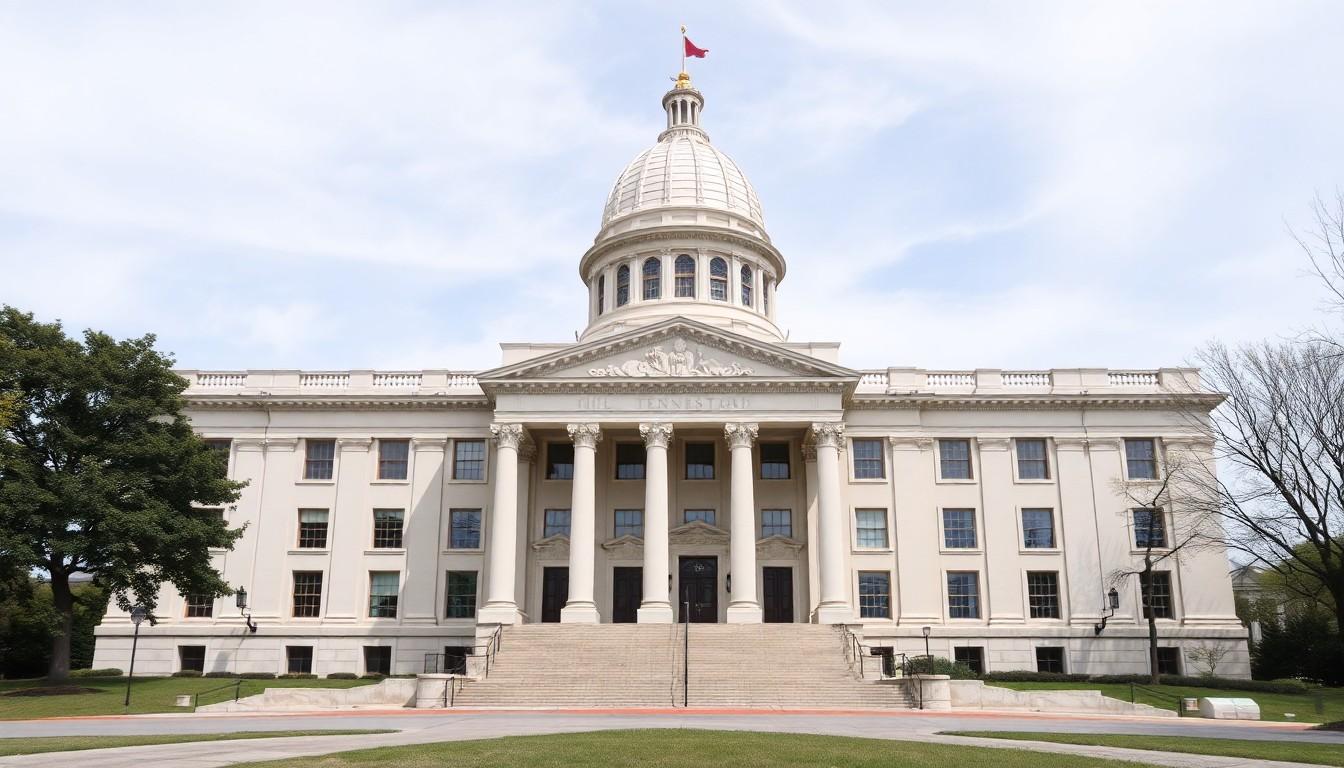
Watchers say the Republican Party is visibly fraying over gay marriage, as a recent lawmaker gaffe and shifting public opinion force a fresh reckoning about coalition politics, what voters want, and where the argument could go next.
Essential Takeaways
- Swift backlash: A Tennessee congressman's anti-LGBT post drew immediate rebukes from fellow Republicans, showing internal limits to hardline rhetoric.
- Falling support: Gallup polling shows Republican backing for same-sex marriage has dropped notably in recent years, changing the political math.
- State-level pressure: Several states have introduced measures related to overturning Obergefell, but most proposals stalled in committee.
- Coalition tension: Gay conservatives and Christian social conservatives remain uneasy partners, aligned on some policies but at odds on social issues.
- Practical stakes: Shifts in party views could influence campaign messaging, judicial fights, and how lawmakers handle Pride and transgender rights.
A gaffe that lit an already-smouldering fuse
An elected official's public attack on homosexuality quickly became a test of boundaries within the GOP, prompting terse condemnations from colleagues and a hurried apology. The incident felt loud because it exposed an awkward truth: many in the party are uncomfortable with open hostility toward LGBTQ people, if only because it risks electoral and reputational damage. According to recent reporting, the statement was deleted and blamed on a staffer, which underlines how combustible and performative these exchanges can be.
Polls show real movement among Republican voters
Gallup's latest snapshots reveal a clear drop in Republican support for same-sex marriage compared with just a few years ago, reversing a long upward trend and narrowing the cultural consensus. That fall matters not only as a barometer of attitudes, but because parties chase voters; shrinking enthusiasm for same-sex marriage among Republicans ripples through messaging, candidate selection, and policy priorities. Independents have also cooled slightly, which makes this less of a simple red-vs-blue story and more a broader cultural shift.
Why the GOP coalition is holding , for now
Ask why parties tolerate internal contradiction and you'll get a practical answer: neither faction has the strength to expel the other. Gay conservatives and evangelical social conservatives overlap on taxes, regulation and national security, so they tolerate friction on family policy. Political consultants in Washington note the arrangement is messy but functional, because the cost of a full-on purge would be electoral chaos for both sides. So compromises , or awkward silences , keep the coalition intact.
The legal front: talk versus traction at state level
There’s been a renewed push in some state legislatures to urge the Supreme Court to revisit the 2015 Obergefell decision or to enshrine traditional marriage definitions, but most of these measures have gone nowhere in committee. That tells you something important: heated rhetoric makes headlines, but translating it into durable law is a higher bar. Still, the mere presence of those bills signals where activists want to take the issue if political conditions shift further.
What this means for voters and campaigns
For voters, the tug‑of‑war inside the GOP matters because it shapes who runs and what they promise. Candidates who lean into conservative social views may energise parts of the base but risk alienating moderates and younger voters, who are generally more accepting. Campaign strategists will be watching polls closely and deciding whether to foreground culture-war issues or stick to bread-and-butter topics like the economy. Either way, expect Pride month and transgender rights to keep emerging as flashpoints.
Closing line Politics is a bargaining room as much as a battlefield, and this debate will keep revealing who in the GOP can adapt and who insists on drawing a line in the sand.
Source Reference Map
Story idea inspired by: [1]
Sources by paragraph: