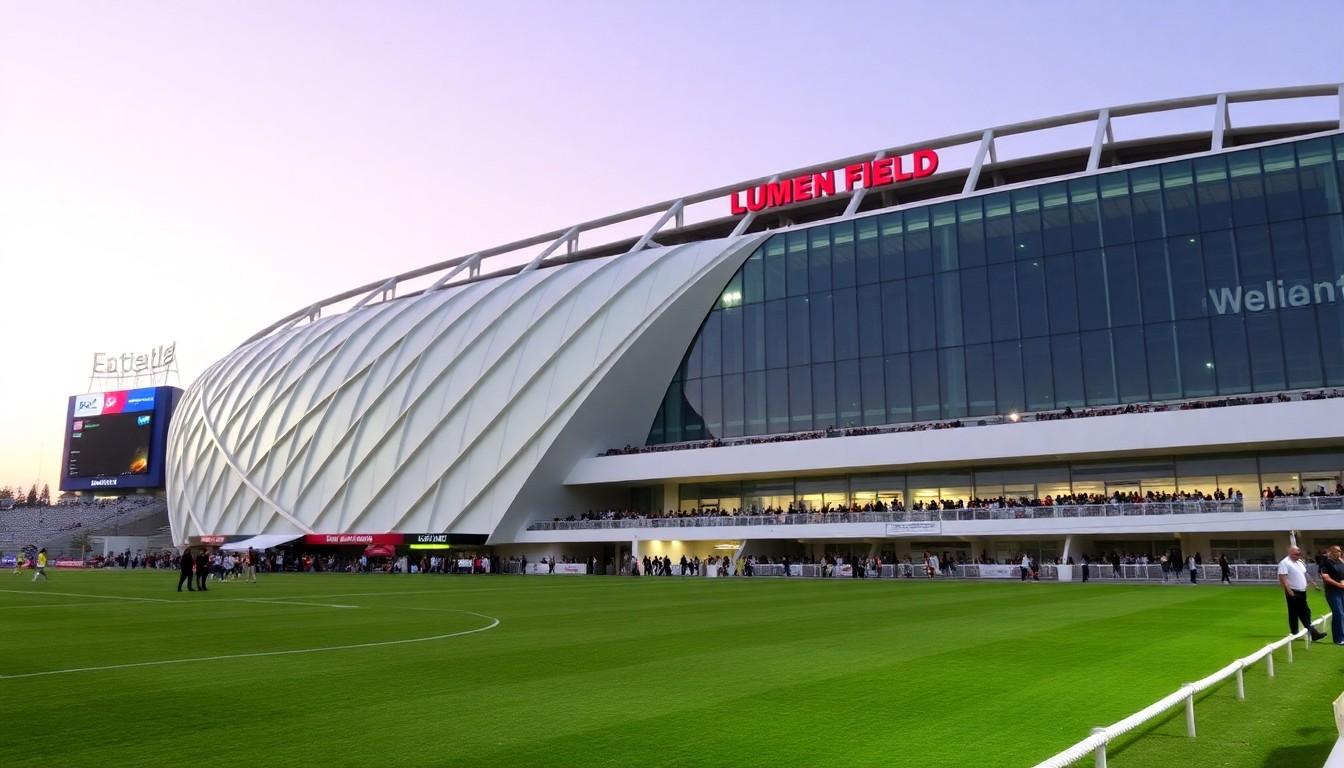
Shoppers are turning to spectacle and protest alike as Seattle prepares to host the World Cup's first officially billed "Pride Match" between Iran and Egypt, a moment that matters because flags, politics and human rights will all be on the pitch , and in the stands.
Essential Takeaways
- Historic billing: Seattle's host committee designated the Iran v Egypt Group G game as the city's Pride Match, the first time a World Cup fixture has been tied to a Pride event.
- Flags allowed: FIFA has confirmed rainbow flags are permitted inside stadiums, despite formal objections from Iran and Egypt.
- Federation objections: Both Iran's and Egypt's football federations urged FIFA to ban Pride activities and symbols; their requests were rejected or ignored.
- Local atmosphere: Organisers expect a celebratory, colourful crowd with flags, T-shirts and community art, giving the match a festival feel.
- Safety and optics: The match raises practical questions about fan safety and political messaging for players and travelling supporters.
Why Seattle picked this match , and why it stings for some
Seattle planned its Pride Night months ago and the city’s World Cup host committee simply assigned June’s Group G fixture for the celebration. The result is a vivid contrast: a warm, rainbow-lit stadium set to stage a game featuring two nations where LGBTQ+ rights are severely restricted. Local organisers told Outsports they expect lots of rainbow flags and Pride shirts, and they framed the event as a welcome , an inclusive, festival-style atmosphere rather than a single-day stunt.
That choice was always going to be provocative. For locals and visiting fans it’s a strong civic statement; for the federations involved it’s a headline they’d rather avoid. The clash between municipal celebration and international diplomacy is exactly what gives this match its unusual charge.
What FIFA decided , flags, freedom and consistency
FIFA has said rainbow flags are allowed in World Cup stadiums, a clear stance that protects fan expression on match days. That decision came after Iran formally asked FIFA to prohibit Pride flags, arguing only officially recognised national flags should fly. FIFA rejected the demand, leaving the rules on banners and clothing unchanged and prioritising spectators' right to show support.
That sets a predictable precedent: host cities can programme cultural nights, and fans can bring symbols. The governing body’s move signals an attempt to separate what happens in the stands from the politics of competing nations, though it won’t stop diplomatic protest or media attention.
How the federations reacted , formal complaints and public pushback
Both Iran’s football federation and Egypt’s association issued statements objecting to Pride-linked activities around the match. Tehran’s request to ban LGBTQ+ symbols included further demands about ceremonies; Cairo likewise said it rejected any activities supporting homosexuality during the fixture. Those objections were widely reported in local and international outlets and have framed the narrative for how the match will be covered worldwide.
The federations' stance highlights the tightrope FIFA walks: allowing fan expression without inflaming tensions that could endanger travelling supporters or create walkouts. Organisers insist the match will go ahead as planned, but the formal protests add a layer of diplomatic theatre.
What fans and travellers should know , safety, symbols and practical tips
If you’re planning to attend, expect a lively, colourful crowd and visible Pride imagery. Bring what you’d normally wear to a Pride event, but be mindful of the wider context: supporters from both teams may feel differently about public displays of LGBTQ+ symbols. Keep travel documents handy, follow local security guidance, and check official channels for any last-minute changes.
For fans concerned about safety, stick to official fan zones, travel in groups when leaving the stadium late, and report any harassment to stewards or authorities. For those wanting to show solidarity without drawing personal risk, simple gestures , wearing a subtle pin or using social media , can also count.
The bigger picture , sport, protest and what comes next
This match crystallises a longer-running debate: what role should host cities play in signalling values during global events? Seattle’s Pride Match is an example of sport intersecting with civic identity and human rights. The choice to go ahead, and FIFA’s backing of flag-waving fans, could encourage other hosts to programme cultural or rights-focused fixtures , or it could provoke similar objections from countries whose laws contrast sharply with the host’s values.
Either way, the games will be watched for more than just ball skills. For many fans, the sight of rainbow flags in Lumen Field will be emotionally resonant; for others, it will be a reminder that international sport often doubles as a stage for political expression.
It's a small change that can make every cheer feel a little louder.
Source Reference Map
Story idea inspired by: [1]
Sources by paragraph: