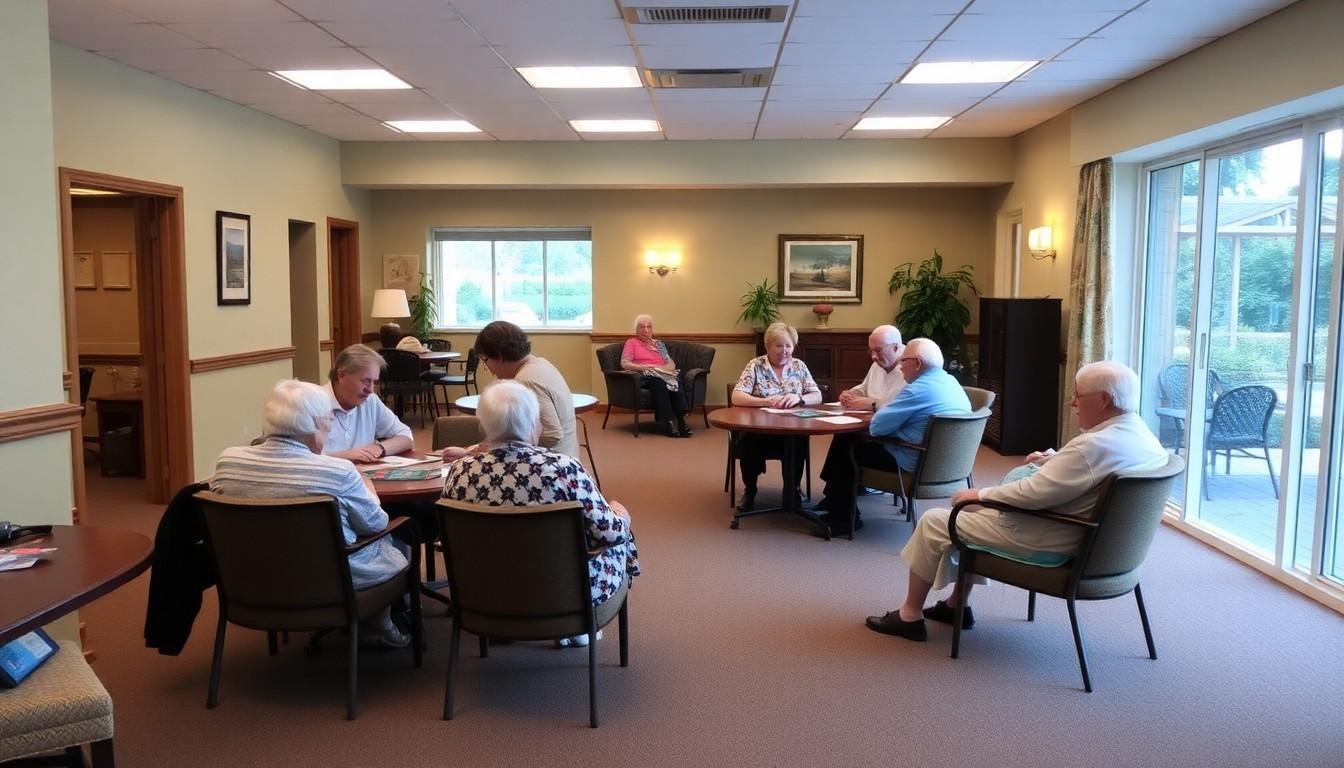
Consider this: many LGBTQ+ older adults still worry that the people and lives they’ve built won’t be recognised when they need care most, so planning ahead for long-term care is as much about trust and identity as it is about money. This piece looks at why that matters, what the research shows, and practical steps families can take.
Essential Takeaways
- Widespread concern: Many LGBTQ+ adults report discrimination in healthcare, making long-term care settings a source of real anxiety.
- Different family structures: Older LGBTQ+ people are more likely to live alone and rely on partners or chosen family rather than adult children.
- Planning is protection: Legal documents and clear care preferences help ensure chosen family have a voice.
- Look for culture, not just care: Safe care means inclusive policies, trained staff and environments that feel affirming.
- Small changes matter: Simple steps , from emergency contacts to advance directives , can preserve dignity and identity.
Why dignity and trust should be part of your care plan
Start with the feeling: imagine walking into a care home and wondering if you’ll have to hide a lifetime of who you are. Research from KFF shows LGBTQ+ people often experience bias or poor treatment in healthcare, and that memory affects willingness to seek care. That hesitancy isn’t petty , it shapes decisions about when to get help, who to trust and whether to document wishes. For families, that means planning can’t be only about paying for a room; it must protect identity and relationships.
Chosen family matters , and the system doesn’t always recognise it
Many older LGBTQ+ adults formed lives when legal recognition was limited, so friendships and partners became primary supports. As a result, they’re statistically more likely to live alone and less likely to have children to step in. That changes who will visit, make decisions, and provide day-to-day comfort. Practical tip: make relationships visible in medical records and legal paperwork so chosen family aren’t sidelined when it matters.
Legal and practical steps that actually help
You can’t fix culture overnight, but you can create safeguards. Start with durable power of attorney, advance directives and clear nomination of healthcare proxies. List emergency contacts prominently and leave a dossier of preferences , not just diets and medications, but pronouns, visitors who matter, religious or cultural practices, even how intimacy or partnerships should be acknowledged. And keep documents up to date; change in circumstances means updating who represents you.
Choosing a provider: what to look for beyond price and location
A facility’s brochure won’t tell you how staff treat a resident’s partner at the bedside. Instead, ask about staff training on LGBTQ+ inclusivity, nondiscrimination policies, and whether the provider has visible signs of inclusivity or a liaison for diversity issues. Visit at different times, watch interactions between staff and residents, and ask if other LGBTQ+ residents and families are comfortable sharing experiences. If staff seem defensive or vague, that’s a signal.
Small community moves that build safety and confidence
Advocacy groups, local LGBTQ+ centres and peer networks can help identify welcoming providers and even accompany people to appointments. Encourage informal checkpoints: regular calls from a designated friend, notes in electronic health records about relationship status, and a clear list of who should be notified in an emergency. These small measures make a real difference to daily dignity and reduce the likelihood of identity-based exclusion.
What change looks like at scale
Healing distrust means system-level shifts: more inclusive training, better data on LGBTQ+ ageing, and policies that recognise diverse family forms. Meanwhile, individuals and families can create immediate protections. The broader trend towards person-centred care plays well here , when care is tailored to who someone is, everyone benefits. And as awareness grows, more providers will see inclusive practice as essential, not optional.
It's a small but powerful set of steps that can help an older person remain themselves while getting the care they need.
Source Reference Map
Story idea inspired by: [1]
Sources by paragraph: