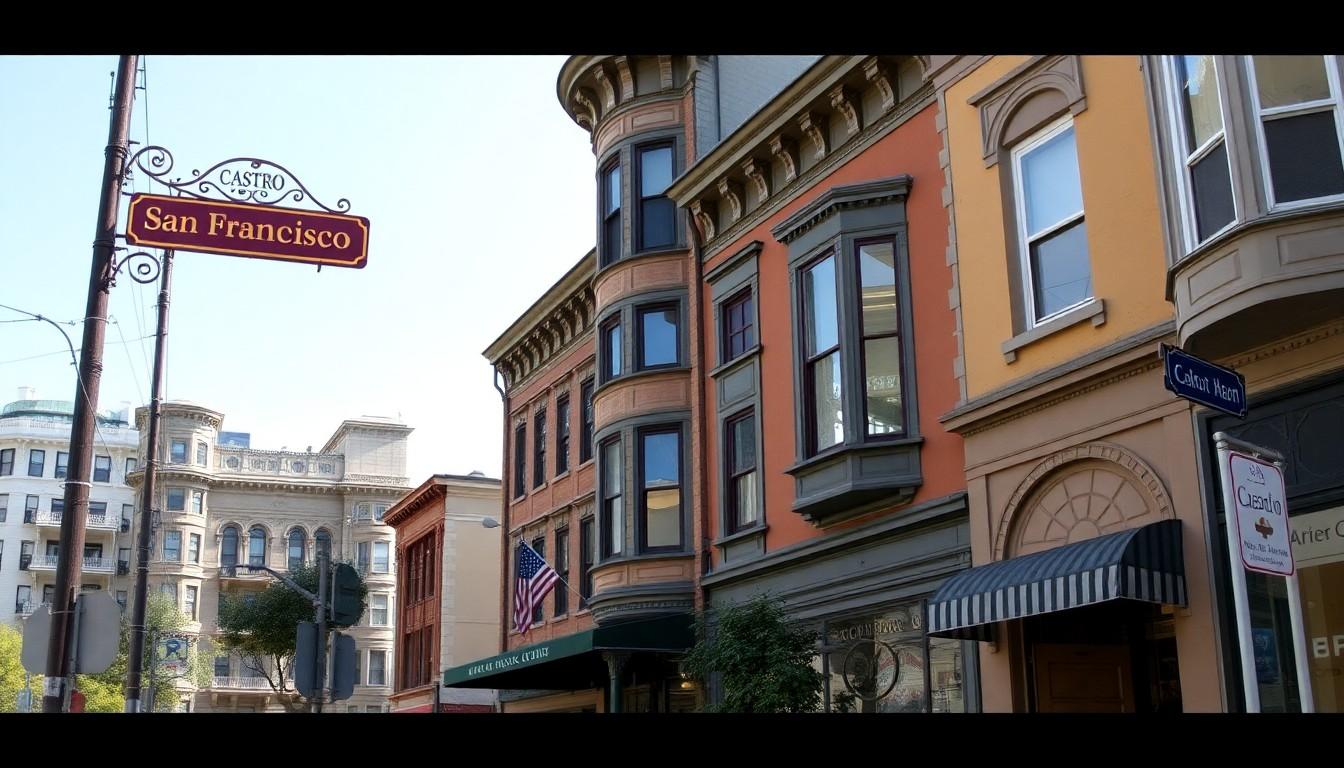
Celebrate openly: readers are turning to personal stories and local history to make Pride more meaningful, as one Hollywood historian recalls lifelong ties to the LGBTQ+ community and the Castro's welcoming haunts , here's why that matters and how you can join in.
Essential Takeaways
- Personal history matters: Long-term allies describe childhood memories and neighbourhood connections that shaped their support.
- Castro's community hubs: Venues like Toad Hall and the Cherokee Building played quiet but pivotal roles in social life and safety.
- Safety and solidarity: From anti-hate police units to organised escorts, the community has long developed practical protections for vulnerable moments.
- Celebrate with depth: Mix fun events with local volunteering, archival visits, or fundraisers to support LGBTQ+ causes year-round.
Why a single memory can kindle a lifetime of allyship
A small kindness from a neighbour can stick with you forever, and that’s exactly how one writer remembers the men her family once housed in a Midwestern town. The memory reads like a scene , adults who treated a young child kindly, then were driven away for being gay , and that sting of injustice helped shape a life of advocacy. Personal anecdotes like this are more than nostalgia; they’re the emotional engine behind consistent public support. If you want to be a better ally, start by listening to the stories people share and let them change what you do.
How the Castro became a second home for outsiders
The Castro wasn’t built in a day. Its transformation into a cultural anchor through the 1960s and 70s came via cafés, bars and small businesses where people could breathe and be seen. Places such as Toad Hall offered refuge and camaraderie to newcomers, while buildings like the Cherokee provided creative space and community ties. Visiting these spots , or the local history pages that document them , gives Pride a sense of place and continuity. Pop by a plaque, read a short local history, and you’ll feel the streets hum with decades of resilience.
Practical ways the community has kept people safe
Public support sometimes looks dramatic, but much of it is quietly practical: organising escorts, liaising with police anti-hate units, and assembling trusted volunteer teams for events. Those mechanisms matter, especially when a public disagreement or campaign attracts harassment. If you’re running or attending Pride events, remember the basics: share your itinerary with a friend, use official volunteer staff, and check for designated safe spaces or first-aid stations. Being prepared keeps celebration joyful rather than anxious.
Mix entertainment with advocacy , it’s what keeps Pride alive
Pride thrives when parties meet purpose. The writer recalls everything from grand marshals and holiday shows to fundraising nights with performers and classic-film screenings , all of which blurred the line between entertainment and education. That blend is a template: buy a ticket to a queer-themed show, volunteer at a fundraiser, or host a small screening with a suggested donation. You’ll have fun, but you’ll also support artists and charities that sustain the community beyond June.
How to mark Pride with respect and local impact
If you want your Pride plans to count, think local and long-term. Attend a parade, yes, but also visit a community centre, donate to a queer mutual aid fund, or volunteer at an archival project that preserves neighbourhood history. Small acts , offering your time, amplifying lesser-known groups, or learning about the places where LGBTQ+ life has flourished , make a difference. And if you can, bring someone new with you; exposure and friendship often change minds faster than speeches do.
It's a small change that can make every Pride celebration feel fuller and safer.
Source Reference Map
Story idea inspired by: [1]
Sources by paragraph: