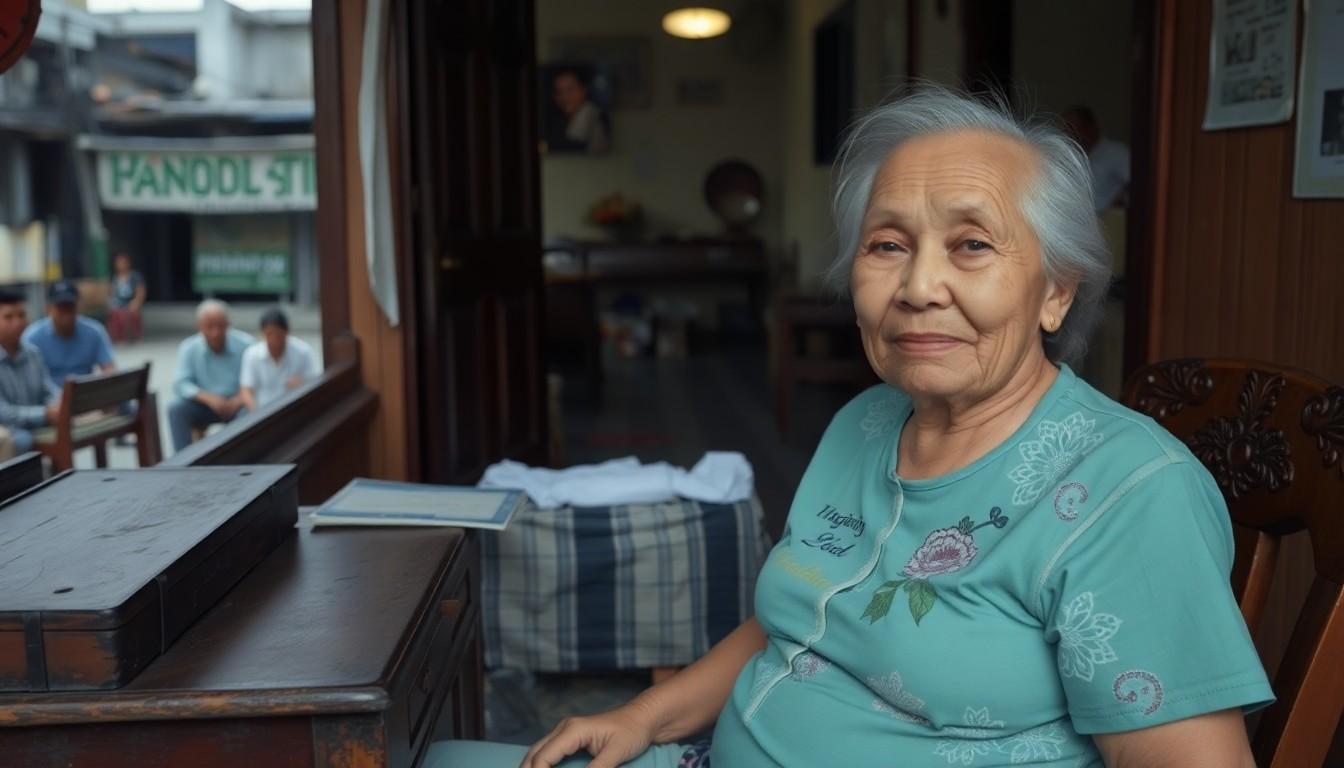
Watch how one Manila academic’s quiet, written disclosure shows the different shape coming out takes in the Philippines, where faith, family duty and long-standing gender categories make visibility complicated but not impossible.
Essential Takeaways
- Private, deliberate approach: Jeremy chose a written letter to avoid public drama and control his narrative; it felt respectful and contained.
- Religious consequence: Disclosure led to disfellowship from his Jehovah’s Witness congregation, a common cost when faith rules clash with identity.
- Family response mixed but humane: His mother’s pause then “I want you to be happy” shows acceptance can be gradual, not headline-ready.
- Cultural context matters: Pre-colonial categories like bakl and babaylan mean Filipino gender histories aren’t simple binary imports.
- Visibility isn’t one-size-fits-all: Pride’s global script doesn’t always fit local practices; some people and families prefer quiet accommodation over public declaration.
Why Jeremy wrote instead of speaking , the power of a gentle reveal
Jeremy’s decision to write his family rather than face them in person gave him control and spared a theatrical scene, and that calmness registers as a sensible, emotionally savvy move. According to local reporting, he’d lived apart from his close relatives for years, which made a letter both practical and protective. For many Filipinos, a written coming out can be a dignified way to set boundaries while signalling seriousness , it’s less about theatrics and more about being heard.
Choosing a letter also helps contain the immediate emotional fallout: there’s time to process, respond and reflect. If you’re considering the same path, think about tone, timing and who to include first; a carefully worded note can reduce shock and stop jokes from defining the moment.
Faith, loss and the real price of honesty
Religion plays a central role in Jeremy’s story. He’d once tried to live within the expectations of his Jehovah’s Witness community, even attempting marriage, and his disclosure eventually led to disfellowship. That official exclusion may remove him from community rituals and day-to-day fellowship, yet he still watches services online, showing how spiritual life can persist even after institutional ties break.
That split between personal faith and institutional censure is common. If you expect a tough reaction from religious authorities, prepare practical supports , trusted friends, therapists or allied congregants , and plan for what loss of community might mean day to day.
Family reactions often come as a softening rather than a headline
Jeremy expected drama but got a long pause and a quiet wish for his happiness from his mother. That sort of measured, ambiguous acceptance is familiar in other Filipino accounts. People often shift from silence or jokes to a place of care because family bonds and concern for well-being remain strong.
If you’re coming out to family, anticipate a range of responses and give relatives time. Sometimes a pause is not rejection but a recalibration. Offer reading material, invite conversation on neutral ground, and remember that small gestures of continuing connection can signal acceptance more reliably than one-off declarations.
Pre-colonial identities change the meaning of being LGBT in the Philippines
The Philippines’ gender history complicates Western labels. Long before colonial binaries arrived, identities like bakl and spiritual roles like babaylan recognised liminal or blended gender expressions. Colonial powers reframed these roles as sinful or deviant, but the cultural memory persisted, and today Filipinos often live with both colonial and indigenous understandings at play.
This layered history means that “coming out” in the Philippines can’t be measured only against Western milestones. For some, visibility is episodic, negotiated and tied into social roles and economic class; being “out” may look different in a university faculty meeting than at a family fiesta.
Pride, global scripts and local adaptations
Pride parades and the global coming-out script have been widely exported, but that doesn’t mean they’re a perfect fit everywhere. The notion of coming out historically aimed at political visibility , think Harvey Milk’s strategy , but today it’s also a personal rite. In the Philippines, that rite may be adapted: some people opt for quiet acceptance, compartmentalisation, or selective disclosure rather than full public visibility.
If you’re weighing your options, ask what you want from disclosure. Are you seeking political visibility, family peace, or personal relief? Your answer will determine whether a Pride-style public reveal or a private conversation makes sense.
Closing Line It’s a small but powerful truth: coming out can be quiet, complicated and deeply local , and sometimes the softest replies matter most.
Source Reference Map
Story idea inspired by: [1]
Sources by paragraph: