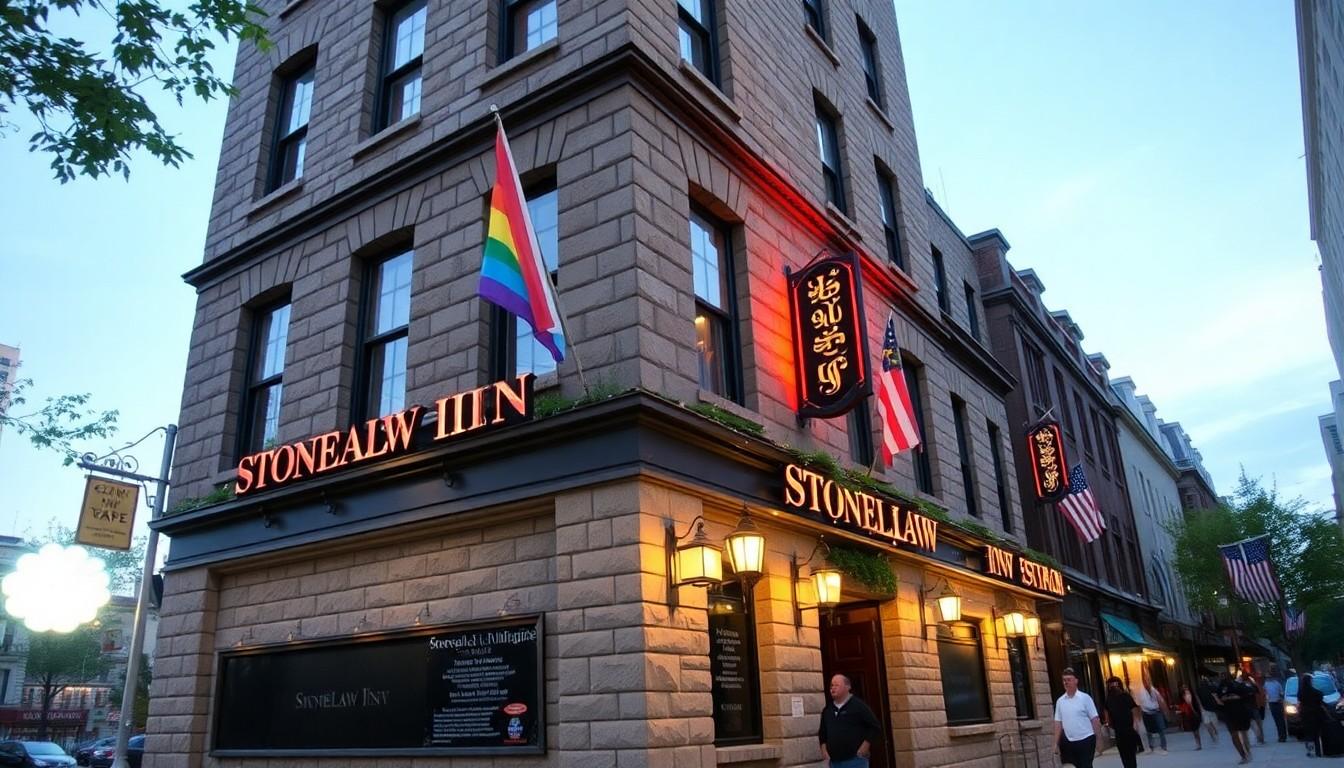
Celebrate loudly and remember why: Pride began as protest, born in the streets of New York when people refused to be criminalised, and that history still matters for LGBTQ+ visibility, rights, and community today.
Essential Takeaways
- Origin: Stonewall Inn sparked the modern Pride movement after a June 1969 police raid turned into a multi-day uprising.
- Key figures: Activists like Marsha P. Johnson, Sylvia Rivera and Stormé DeLarverie helped turn resistance into organising.
- From riot to march: The first Christopher Street Liberation Day in 1970 became the template for annual Pride parades worldwide.
- Why it matters: Pride celebrates community and demands visibility for people who were once criminalised for existing.
- How to honour it: Learn the history, support local queer groups, and centre trans and BIPOC voices in celebrations.
A night that changed everything: the Stonewall uprising and its raw energy
June 28, 1969, started as another routine police operation, but the mood inside and outside the Stonewall Inn felt different, angry, exhausted and ready to push back. Witnesses describe shouting, object-throwing and a crowd that refused to be marched into humiliation or jail. History.com and the Library of Congress both map how the raid escalated and why it landed as a turning point; it wasn't a single heroic moment so much as collective refusal. The sensory memory people still talk about is the noise, the clatter of bottles, the shouts, the long night that turned into days of protest, and that noise became a new politics.
From refuge to resistance: queer spaces under threat
Queer bars like the Stonewall Inn were both sanctuary and vulnerability; they offered a rare social space while existing under constant legal and police pressure. PBS and the National Park Service explain that municipal sodomy laws, federal hiring bans and other restrictions made even simple socialising risky. That pressure helps explain why patrons reacted so strongly: when being seen could cost you freedom or safety, visibility itself becomes an act of courage. If you want context, look up how laws and policing shaped queer life in the 1960s; it makes clear why Pride needed to be loud and public.
Turning outrage into organisation: the birth of activist groups
The rebellion at Stonewall didn’t just make headlines, people organised. Groups such as the Gay Liberation Front and later the Gay Activists Alliance channelled the energy into sustained campaigning, while newer organisations like the Human Rights Campaign and GLAAD grew from that foundation. Documentaries and archival footage show a common pattern: protest, then meetings, then marches. That move from spontaneous uprising to deliberate activism is why Pride evolved into structured annual events that also do political work, from challenging discriminatory laws to creating services for community members.
The first march and the idea of liberation day
A year after Stonewall, thousands turned up for the Christopher Street Liberation Day March, which marked the anniversary and signalled that anger could become public commemoration. The early parades were explicitly political, demanding rights, visibility and safety. Over time many cities softened the edges of Pride into parties and corporate sponsorships, but the origins remain political. Remembering that first march helps unpack why debates about police floats, rainbow capitalism and who gets a platform at Pride still matter.
How to honour Pride now without erasing its past
If you want to respect Pride’s roots, start by listening: centre trans and BIPOC leadership, support grassroots groups, and use Pride as a moment for education as well as celebration. The National Park Service and other heritage sites recommend visiting historical markers, reading survivor accounts, or attending talks that explain the full context. Practical steps include donating to local shelters or advocacy groups, volunteering, and choosing events that prioritise safety and inclusion. Your participation can be festive and political, it's not an either/or.
It's a small change that can make every celebration truer to its radical origin.
Source Reference Map
Story idea inspired by: [1]
Sources by paragraph: