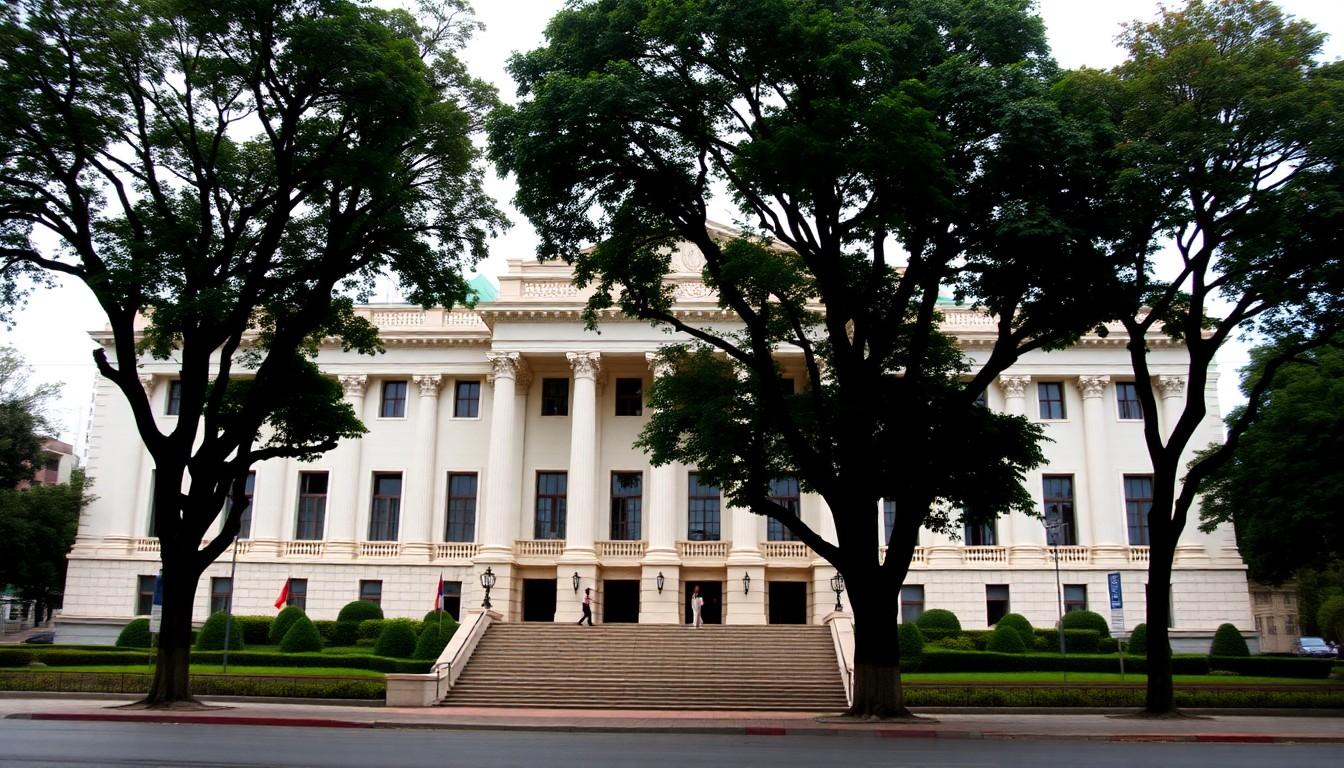
Shining a light on how two landmark electoral wins changed Venezuelan politics: voters elected Tamara Adrián and Rosmit Mantilla, boosting visibility for sexual diversity in Caracas and beyond , yet legal rights like marriage equality and gender identity laws remain largely absent, so representation hasn’t yet translated into full legal protection.
Essential Takeaways
- Historic wins: Tamara Adrián became the first openly trans national legislator in Hispanic America and Rosmit Mantilla the first openly gay deputy in Venezuela, both elected in 2015.
- Visibility vs law: Greater representation has opened public debate, but Venezuela still lacks same-sex marriage and a national gender identity law.
- Institutional barriers: Political confrontation and conservative religious influence limited the parliamentary progress of LGBTIQ+ initiatives.
- Practical gap: There are no comprehensive official mechanisms to register or investigate crimes motivated by sexual orientation or gender identity.
How two 2015 victories rewired public conversation
The election night of 6 December 2015 marked a striking change: voters put people from the LGBTIQ+ community into the National Assembly and, almost overnight, their stories moved from margins to headlines. The emotional lift was palpable , people who had campaigned for years suddenly found national platforms and cameras. Those wins pushed conversations about identity and rights into spaces that had long ignored them, and they made Venezuelan politics visibly more diverse. According to reporting at the time, international outlets and regional media framed Adrián’s election as a continental milestone, while Mantilla’s victory carried the added drama of triumph after incarceration. For activists and voters, the moment showed that representation can challenge stereotypes and force institutions to respond, even if responses are slow or partial.
Tamara Adrián: visibility that resonated beyond Venezuela
Tamara Adrián’s election did more than fill a seat; it rewrote expectations about who could sit in a national parliament in Hispanic America. Her background as a lawyer and academic gave the role a policy gravitas that helped bring trans issues into legislative debates. Her presence prompted international attention and opened a channel to discuss identity, dignity and legal recognition , conversations that would have been rarer and quieter before. Yet the political climate of the time, marked by institutional friction, limited how far her proposals could go through the legislature. For anyone choosing candidates or following trans rights, Adrián’s career shows how visibility and expertise together change the tone of public debate, even when legal victories are slow to arrive.
Rosmit Mantilla: from prison cell to parliamentary seat
Rosmit Mantilla’s story reads like a symbol of resilience , an activist jailed in 2014 who learned of his parliamentary victory from a fellow inmate. That moment crystallised how political crises and human rights struggles can intersect with identity politics. Mantilla brought a pedagogical approach to his activism, trying to replace confrontation with explanation and humanisation. Yet once in the Assembly he ran into resistance not only from the ruling side but also from socially conservative currents within the opposition. His experience highlights a practical truth: electing LGBT representatives matters, but it doesn’t erase institutional prejudice or the influence of religious conservatism over policy choices.
Why representation hasn’t yet delivered legal equality
The contrast between visible politicians and limited legal change is stark. Venezuela still lacks statutory recognition for same-sex marriage and has no comprehensive gender identity law at the national level. Human rights groups also flag the absence of official systems to record and investigate bias-motivated violence against LGBTIQ+ people. Political fragmentation, hostile institutional contexts, and conservative social forces have all contributed to the slow legislative pace. Representation on its own won’t rewrite constitutions or shift entrenched power structures , you need allies across institutions, organised advocacy and legal strategy. If you’re following reform prospects, watch the composition of parliaments, judicial rulings and civil-society coalitions; those are the levers most likely to translate visibility into durable rights.
Practical takeaways for activists and voters
If you care about turning representation into law, focus on three practical fronts: cultivate policy-literate candidates, build cross-party alliances that frame rights as constitutional rather than partisan, and push for official data collection on hate crimes so the scale of the problem is visible. Supporting legal clinics, strategic litigation and education campaigns can also be more effective than relying on symbolic wins alone. And remember: representation broadens the conversation, but legal change needs sustained pressure and technical policy work. For voters, backing candidates with both lived experience and a command of human-rights law increases the odds that visibility will be matched by legislative effectiveness.
It's a small change that can make every vote matter in the quest for equal rights.
Source Reference Map
Story idea inspired by: [1]
Sources by paragraph: