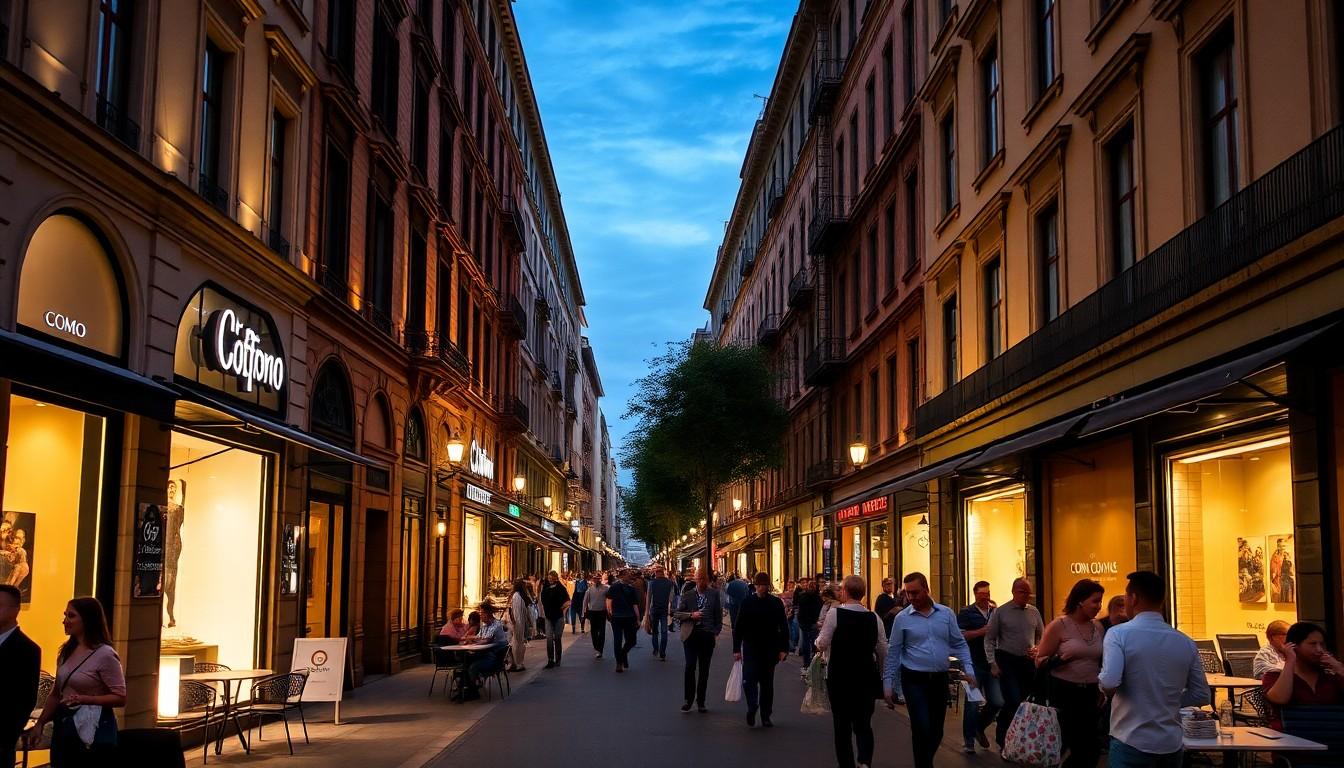
Shoppers of experience are choosing safety and welcome, Booking.com’s Travel Proud data finds Italy leads the world for LGBTQ+ trained accommodations, with Milano the most inclusive city. This matters for travellers who want practical peace of mind and hosts aiming to improve service for diverse guests.
Essential Takeaways
- Biggest national roster: Italy now has 24,232 Travel Proud properties, up 14% year‑on‑year, showing fast adoption of inclusive training.
- Milano leads globally: The city hosts 2,691 Travel Proud listings, making it a top pick for LGBTQ+ travellers.
- Practical safety gap: Only about 31% of LGBTQ+ respondents feel free to fully express identity while travelling, so inclusivity badges help.
- Digital tools rising: Roughly two‑thirds of respondents used AI‑based tools to plan trips, often to identify more welcoming places.
- Training matters: Travel Proud’s badge and guidance , part of a programme active in 11 languages , make it easier to spot staff trained in inclusive hospitality.
Why Italy’s growth in Travel Proud listings feels like progress
Italy’s surge to the top of the Travel Proud ranking is both visual and tangible: thousands of hotels, B&Bs and aparthotels have completed specific training aimed at welcoming LGBTQ+ guests, so you’re more likely to find staff who know what inclusive customer care looks like. According to industry reporting, the programme focuses on practical steps , from language choices in booking to safe check‑in practices , so the experience feels calmer and more considered.
This isn’t just a badge on a website. Booking.com’s Travel Proud initiative, launched a few years ago, now identifies properties with a recognisable badge and a filter on the platform. For travellers, that makes searching quicker; for hosts, it’s structured guidance and accountability. If you’re planning a city break, seeing that badge can reduce the small anxieties that colour travel decisions.
Milano: the city you’ll actually notice feels inclusive
Milano topping the global city list isn’t just a bragging point for the city’s Pride calendar; it means on‑the-ground choice. With more than 2,600 certified properties, visitors can pick neighbourhoods and budgets without sacrificing a sense of welcome. The concentration of Travel Proud listings also creates a subtle ripple: businesses in hospitality and hospitality supply chains tend to match standards when guests expect them.
If you’re visiting Milan, look beyond the headline attractions. Check the Travel Proud filter, then read a couple of recent reviews to confirm staff attentiveness or quiet comforts, like guarded privacy at check‑in. For hosts, clustering of inclusive properties shows a competitive advantage: training and visible commitment can attract a steadier stream of cautious, discerning travellers.
The tension between identity and safety on the road
Booking.com’s research highlights a sobering truth: a majority of LGBTQ+ travellers exercise caution while away from home, and only about a third feel fully free to be themselves. That hesitancy isn’t evenly felt , trans travellers report higher levels of discomfort , and it influences every choice, from destination to dining out after dark. Recognising that tension helps both planners and hosts act with empathy.
Practical takeaways for travellers include using inclusivity filters, sharing itinerary details with trusted contacts, and scanning local laws or community resources before you leave. For hosts, the onus is to create low‑effort gestures that signal welcome , neutral language on forms, clear anti‑discrimination policies, and staff training on pronouns and privacy go a long way.
How digital tools and AI are shaping inclusive travel search
Two thirds of respondents said they used AI‑based systems to help organise travel in the past year, often to find impartial information about safety and inclusivity. That’s an important shift: travellers want trustworthy, bias‑reduced recommendations and the ability to ask sensitive questions without awkwardness.
For consumers, that means experimenting with curated filters and verified badges on booking platforms, and cross‑checking results with community organisations and local guides. For operators, it’s a reminder that accurate metadata , tags, descriptions and badges , helps visibility in AI searches and ultimately converts cautious browsers into confident bookers.
Training, standards and what comes next for hosts and destinations
Travel Proud’s model , a training module plus a visible badge , has scaled quickly and now appears in many markets and languages. Industry groups and destination organisations also offer accreditation and support, which helps embed inclusive practices across tourism sectors. The result is a tourism market where inclusivity isn’t just ethical but commercially sensible.
If you run a property, start with small, measurable changes: staff refresher training, updated booking language, and a visible commitment statement. For destinations, promoting clusters of certified properties can position a city as reliably welcoming. The broader hope is that certification becomes baseline expectation rather than a niche extra.
It’s a small change that can make every stay feel safer and more enjoyable.
Source Reference Map
Story idea inspired by: [1]
Sources by paragraph: