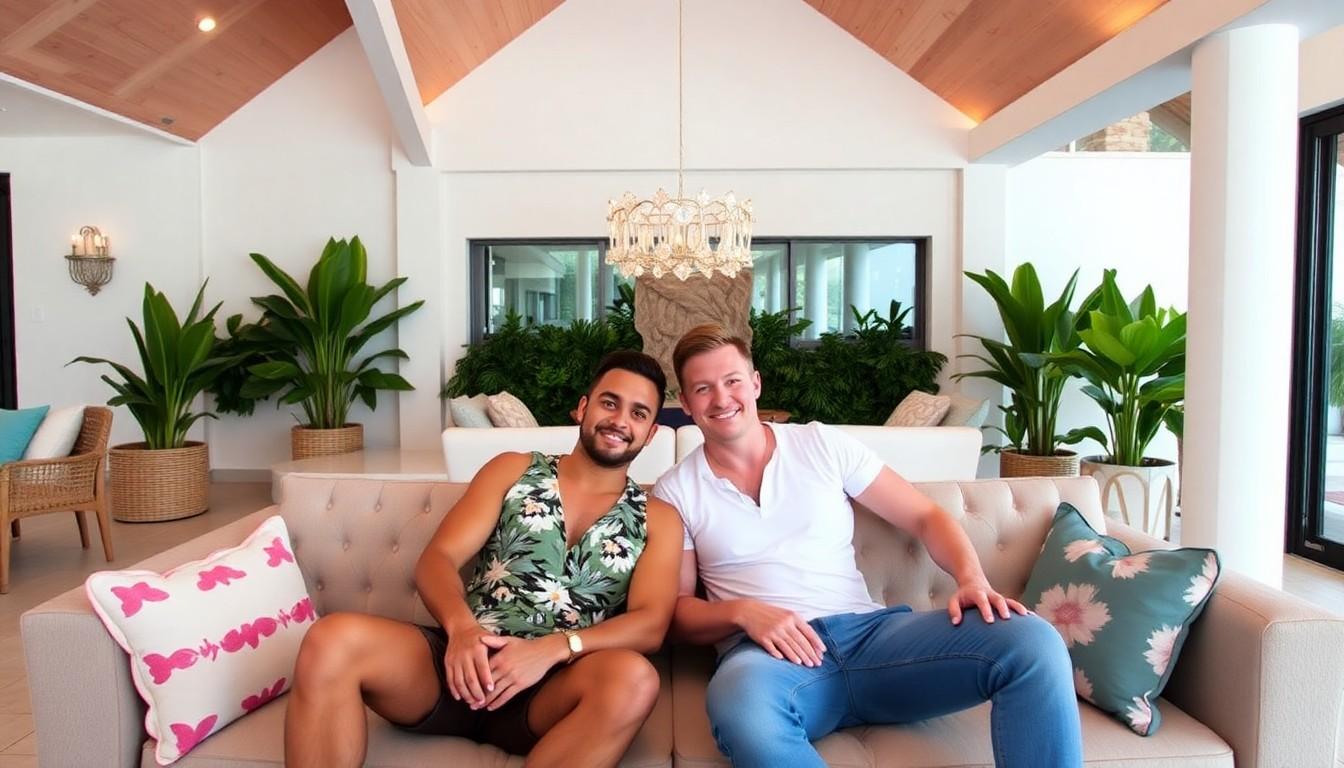
Watchers are obsessed with the Zach and Bryce bromance on Love Island USA season 8 , and Frankie Grande says that obsession reveals a bigger problem with queer representation on reality TV, why it matters for contestants, and what producers could do next.
Essential Takeaways
- Viral moment: Zach and Bryce's playful, homoerotic interactions , including a widely shared "girth check" clip , have driven social buzz and clips across platforms.
- A familiar pattern: Frankie Grande notes his own "showmance" history and warns the public gaze can harm contestants' mental health once they leave the villa.
- Structural limits: Love Island's heterosexual pairing rules mean same-sex romance can only arise accidentally, not by design.
- Representation gap: Fans and former contestants argue including openly gay and bisexual men would reduce pressure on single moments to carry the whole story.
- Practical wish: Producers could cast a mix of orientations and rework rules so queer connections can form and be shown deliberately.
Why one clip can feel like "everything" for queer viewers
The Zach and Bryce moments have that magnetic quality: they're funny, a bit flirty, and easy to clip and share, so they explode online. According to coverage of the season, the pair's chemistry has dominated feeds and conversation. That concentrated attention is thrilling, but it also puts an enormous emotional weight on two men who are still figuring things out in a pressured, televised environment.
Frankie Grande, who lived a similar reality-TV arc on Big Brother, told Out that being publicly perceived as a couple damaged his mental health, so he worries for contestants who return to an internet ravenous for neat narratives. The sensation is familiar across reality fandoms: when representation is scarce, every single example gets magnified until it feels like the whole story.
Love Island's format makes queer love "accidental," not intentional
Love Island still runs on a heterosexual pairing model, which means same-sex connections aren't designed into the show. Producers in the past framed LGBTQ+ casting as a logistical hurdle, and the US format has followed that lead. The result is that any queer coupling tends to be an unexpected by-product rather than an option contestants can explore openly.
That's the structural problem Grande highlights: if queer relationships only appear by accident, they become spectacles instead of normal human relationships. Fans and commentators alike are asking why shows with millions of viewers can't simply include openly gay and bisexual contestants alongside straight ones and let chemistry happen naturally.
What former contestants say about the pressure when you leave the villa
There's a real human cost when the public fills in the blanks. Grande pointed out that the world’s instant interpretation of an on-camera flirtation can be "detrimental" to someone’s wellbeing. Reality stars have long warned that the disconnect between life in a no-phones villa and the relentless outside reaction can be jarring.
So when contestants who were experimenting or exploring on camera come back to a social media narrative that casts them as one thing, they face invasive scrutiny. That can complicate a coming-out moment or leave people denying what they felt to avoid stigma. Multiple outlets covering the season note how the Zach–Bryce story became the axis for debates around sexual identity in real time.
Why more deliberate queer casting would change the conversation
Throwing a few openly gay or bisexual men into the cast wouldn’t be a stunt , it would diversify the emotional playground. As Frankie suggested in interviews, having a lineup that mixes orientations would spread attention across more relationships and reduce the pressure on any single pairing.
Practically speaking, producers could adjust pairing rules or create equal-opportunity coupling rounds so queer interactions are visible and valid rather than incidental. Viewers get richer storytelling and contestants get safer contexts to explore themselves. And honestly, the show would likely pick up new audiences who want to see modern dating reflected more honestly.
How viewers can enjoy the moments without flattening the people involved
Love the clips, share the memes, but remember there are real people behind the laughs. If you’re a fan, give contestants space to process off camera, follow their own words when they speak publicly, and resist turning exploration into a fixed label. That little bit of empathy shifts the tone online and makes it easier for shows to feel safe for everyone involved.
Change won't happen overnight, but the current fuss over Zach and Bryce is a useful mirror: it shows how hungry audiences are for queer intimacy on big, mainstream TV. Producers who notice that demand could turn viral moments into more routine, humane representation.
It's a small shift that could make every flirtation on reality TV feel less like a spectacle and more like a real chance.
Source Reference Map
Story idea inspired by: [1]
Sources by paragraph: