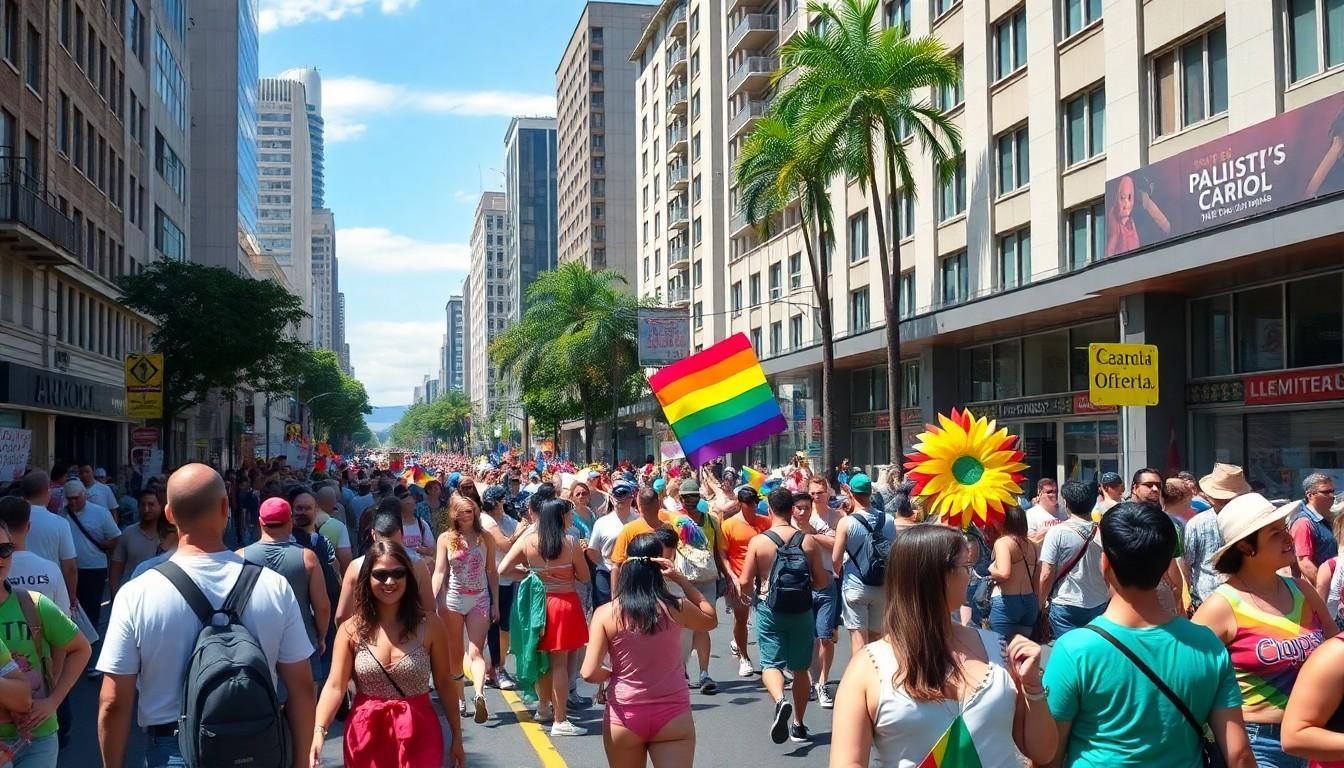
Shoppers, residents and visitors turned Paulista Avenue into a riot of colour on 7 June as São Paulo’s 30th LGBT+ Pride Parade filled the city’s main artery , a vivid mix of celebration and politics that mattered for visibility, safety and the ballot box. Here’s what happened, why it matters and how to experience future parades thoughtfully.
Essential Takeaways
- Huge turnout: Around 36,800 people marched along Paulista Avenue, mixing joy with political messaging and civic engagement.
- Economic boost: The Parade remains an important economic driver for the city, though sponsorship and funding have fluctuated since its 2022–23 peak.
- Mixed pressures: Organisers face political attempts to restrict youth participation and move festivities to enclosed venues.
- Safety and truth: Brazil still records high rates of violence against queer and trans people, which frames the Parade as both celebration and protest.
- Visitor tip: Bring sunscreen, water and an open mind , the Parade is as much an educational space as it is a party.
A colourful Sunday that doubled as a civic statement
The strongest image from 7 June was simple: Paulista Avenue awash in colour, loud music and people smiling or shouting for rights, not just for fun. According to reports, tens of thousands filled the route, turning a usually grey, hurried city centre into a visible claim on public space. The parade’s theme tied the glitter to the ballot box, pushing a reminder that democracy and voting affect LGBTQIA+ lives directly. If you were there, you noticed the music and the heat; if you weren’t, the message still carried on the city’s busiest boulevard.
From a small square to the city’s main stage , a brief history
What began in the mid-1990s as gatherings around Roosevelt Square has become a central civic ritual along Paulista, Consolação and Praça da República. Organisers and anthropologists say occupying these routes flips the script on marginalisation , spaces once off-limits now host the community centre-stage. The change didn’t happen overnight: it grew with activism and cultural work, and the Parade itself has become a template for visibility that other cities look to.
Money matters: sponsorship dips and economic impact
The Parade has a measurable economic footprint for São Paulo, but funding has varied. After big sponsorship years, recent editions saw fewer major brands onboard, and organisers reported lower sponsorship this year compared with 2022–23. That affects scale and programming, but the event still brings people, spending and attention to the city. For visitors, that means more independent vendors and grassroots floats, and for organisers it means balancing political purpose with practical budgets.
Politics at the core: restrictions, relocations and the right to the street
This year’s edition highlighted a political tug-of-war: conservative forces pushing to confine Pride to venues like the Sambadrome and to bar minors, arguing concern over sexualisation. Organisers and community leaders pushed back, insisting the Parade is intergenerational, educational and a public-spirited assertion of presence. The debate isn’t new, but it’s sharper now as politics across Brazil and beyond tilt more conservative. The outcome matters: streets or stadiums change who sees the Parade and what it can accomplish.
Celebration shadowed by real risks
Joy and risk walked side by side. Brazil still registers high levels of violence against LGBTQIA+ people, especially trans women, which lends the Parade a protective, almost defiant tone. For many, the event isn’t only about revelry , it’s a practical act of visibility that can build networks and safety. That’s part of why organisers emphasise education and intergenerational solidarity: the Parade is a place where young people can meet elders, artists and allies and feel less isolated.
How to be a thoughtful visitor or participant
If you plan to join a future parade, travel light and prepared: water, comfortable shoes, sun protection and a battery pack for your phone. Respect that the Parade is political as well as celebratory , listen, learn and don’t treat it like spectacle. If you’re bringing kids, know the organisers’ guidance and local rules; if you’re a first-timer, go with an open heart and attention to safety. And if you want to help beyond attendance, consider small donations to local groups or volunteering to support inclusion on the day.
It’s a small change that can make every march more visible and safer for the people who need it most.
Source Reference Map
Story idea inspired by: [1]
Sources by paragraph: