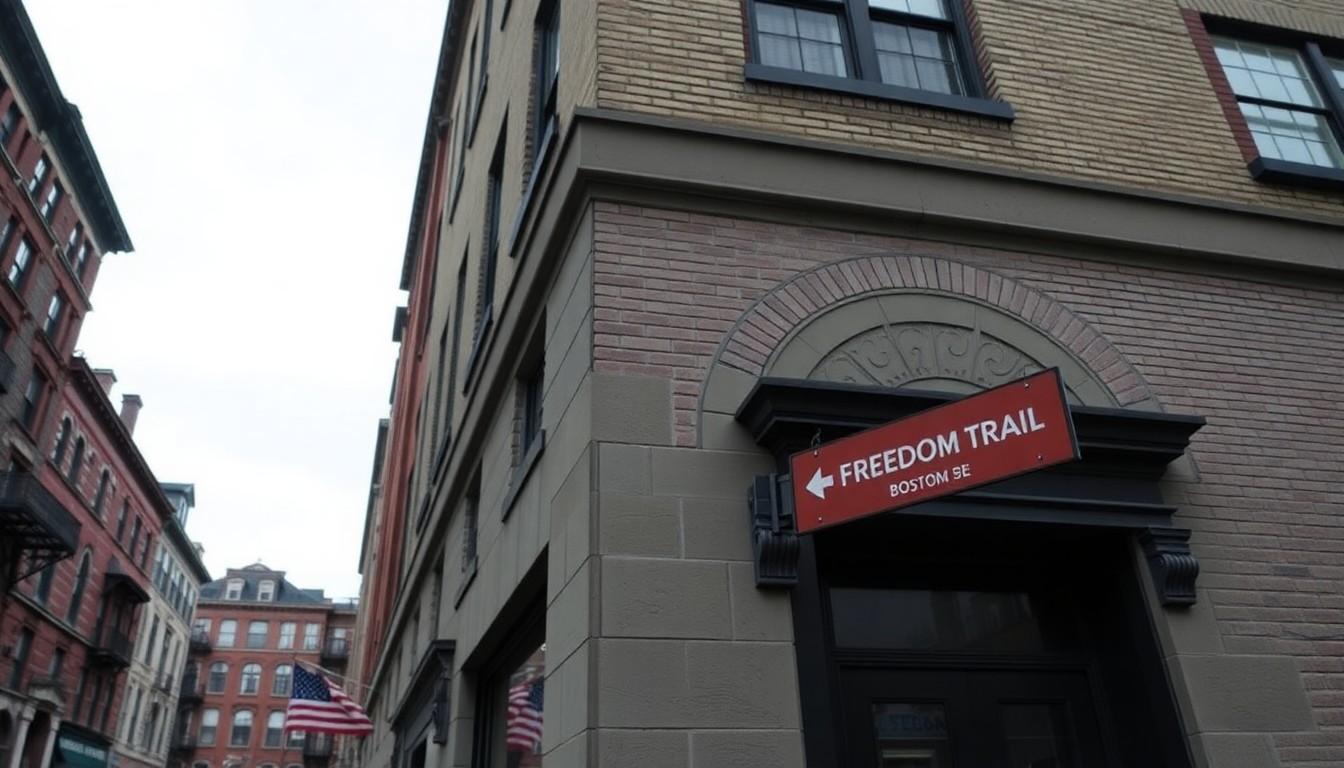
Discover how Boston’s past is getting a livelier, more inclusive telling as the Freedom Trail Foundation’s Rainbow Revolutionaries Tours adds George Middleton and other queer-connected stories to the walk; visitors say the fresh perspective makes the Revolutionary era feel closer, richer and more human.
Essential Takeaways
- New addition: George Middleton, an 18th‑century free Black militia leader, is now featured on the Rainbow Revolutionaries Tours.
- Visible queer past: The tour highlights LGBTQ+ stories across the Freedom Trail, making hidden histories feel tangible and local.
- Research roots: The tour draws on local scholarship, including work from Queer History Boston and community researchers.
- Visitor reaction: Guests often report surprise and emotional connection, calling the tour “eye‑opening” and personal.
- Practical info: The Freedom Trail Foundation runs these walking tours during peak tourism, and guides keep updating routes with new finds.
Why George Middleton matters , a vivid new chapter on the Freedom Trail
George Middleton’s story lands like a small, bright flare in the familiar tableau of redcoats and patriots, and it smells of old leather, brass and the quiet resilience of people left out of textbooks. According to the Freedom Trail Foundation, Middleton led the Bucks of America, an all‑Black militia whose ceremonial flag survives in the Massachusetts Historical Society. That tangible artefact helps the past feel immediate and real. Guides say Middleton’s later life with Louis Glapion , the two lived together on Beacon Hill , raises questions about intimacy, partnership and how people navigated social norms in the 18th century. For visitors, that combination of military service and intimate domestic life reframes what “revolutionary” can mean.
How the Rainbow Revolutionaries Tours grew , from niche project to sought‑after walk
The Rainbow Revolutionaries Tours launched in 2024 and are now in their third season, riding the larger wave of interest around the nation’s 250th. The Freedom Trail Foundation developed the tour to make queer history visible alongside better‑known Revolutionary narratives. Organisers worked with local historians and archives to stitch together stories that often live in the margins, and guides add new research as it emerges. The result is a living itinerary: each season feels slightly different, and regular visitors notice fresh stops and reinterpretations.
What you’ll hear on the tour , surprising names and human details
Expect names you won’t find in every colonial history book, and details that make the past tactile , homes on Beacon Hill, militia flags, and accounts of people who lived outside accepted gender and relationship norms. The tour has introduced figures such as Thomasine Hall, whose life crossed gender presentations in the 17th century, and it explores the later idea of the “Boston marriage” among women who lived together. Tour participants often say the stories provoke a new sense of intimacy with history, and guides emphasise that interpretation relies on careful reading of fragmentary records rather than neat labels.
How research and resources shaped the route , local scholarship matters
The Freedom Trail team credits organisations like Queer History Boston and books such as Improper Bostonians for helping identify figures to include. Research mattered more because some federal guidance and resources on queer historical interpretation changed during the tour’s development, so local archives and scholarship took centre stage. That local focus gives the tour a grounded, community‑led feel: it’s not just a mainstream reinterpretation, it’s a patchwork of archival discovery and oral history that invites curiosity and follow‑up reading.
When to go and practical tips , make the most of the walk
Tours run through the Freedom Trail Foundation’s schedule, and summer 2026 brings extra visitors because of semi‑quincentennial interest. Book ahead if you want a weekend slot, and pick a morning walk if you prefer cooler streets and smaller groups. Wear comfortable footwear , the tour is a proper urban walk , and bring a notebook or phone to jot down names and places; guides often mention sources and organisations you can follow up with afterward. If you want to dig deeper, check the Foundation’s website and local groups for reading lists and related events.
It's a small change in the route that makes the Freedom Trail feel more like a city telling its full story.
Source Reference Map
Story idea inspired by: [1]
Sources by paragraph: