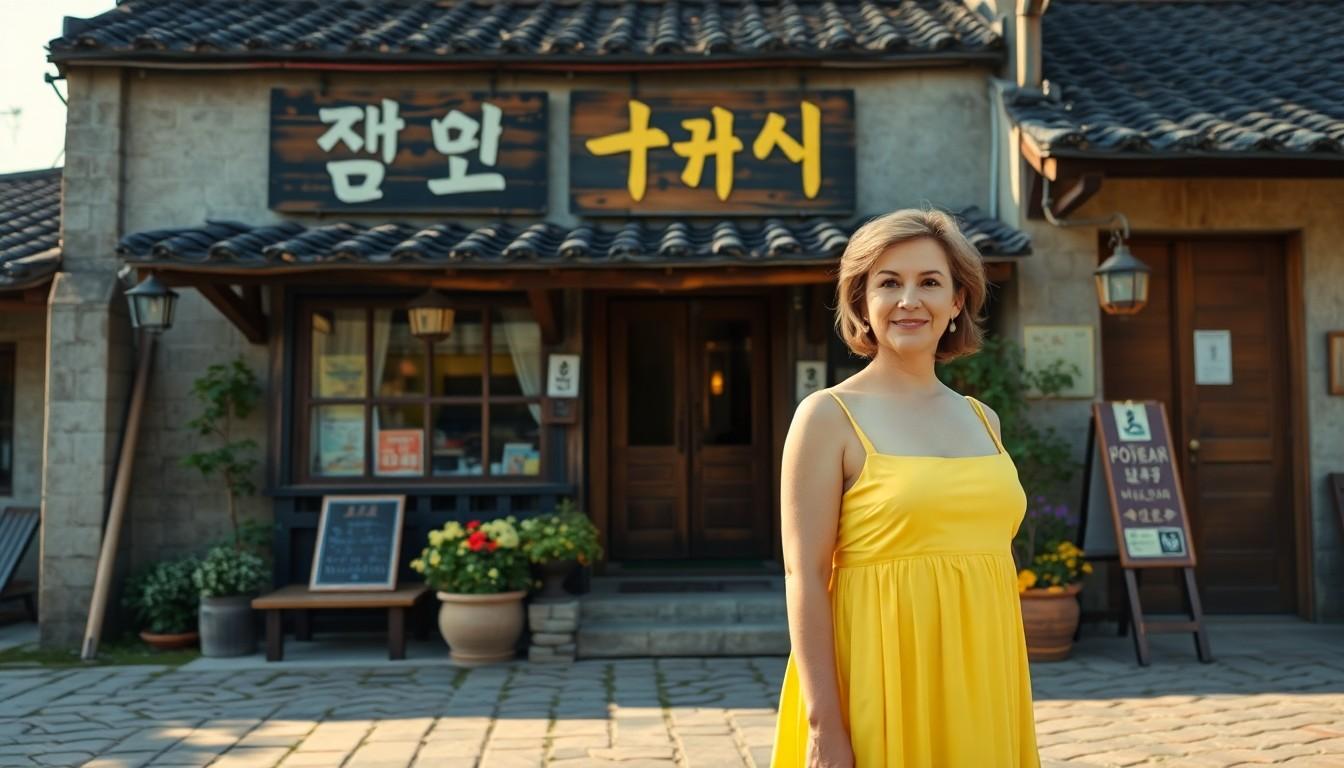
Shoppers and cinephiles are turning to lighter queer stories , and Lee Yu-jin’s Manok gives audiences a rare, cheerful take. The film centres a middle‑aged lesbian running for village chief in a sleepy Chungcheong town, and it matters because it reshapes who can be funny, flawed and political on screen.
Essential Takeaways
- Fresh lead: Manok is a middle‑aged queer protagonist , rare in Korean cinema , played by Yang Mal‑bok and written to be imperfect and human.
- Setting matters: The story unfolds in a fictional Chungcheong village, highlighting rural life and small‑town politics rather than Seoul.
- Comedy as strategy: Director Lee Yu‑jin chose gentle, “safe” laughs to punch up and keep the film warm rather than didactic.
- Authentic casting: Several queer actors were cast in crucial roles, including a trans teen and trans performer, adding realism and nuance.
- Real reactions: Festival audiences and queer viewers have responded emotionally, reporting that the film helped them rethink family, home, or even come out.
Why a middle‑aged queer hero feels revolutionary
Starting with a middle‑aged lead was both a creative choice and a rebuke to film habit. Lee wanted someone who’d already lived as queer and now faces everyday struggles, not a coming‑of‑age crisis. That gives Manok a lived‑in, slightly grumpy charm , she’s the sort of character who feels earned, not idealised. The film’s emotional texture comes from that humanity; you laugh, then you care.
From Seoul’s bars back to a conservative hometown
Rather than keeping the story in Seoul, Lee sends her protagonist home to Iban‑ri, a fictional village named after a word older queer Koreans once used. That return‑home plot lets the film explore how small communities keep secrets, gossip and gatekeepers. Choosing Chungcheong , an area Lee describes as “soft but sharp” , colours the humour with deadpan irony and makes the setting itself feel like a character.
Election comedy as a clever device
The campaign for the town’s ijang, or chief, gives the film its engine. When Manok’s ex sabotages her life, she snaps and runs for office, which is a neat way to dramatise power, belonging and petty cruelty. Lee trims heavy exposition in favour of comic situations , there are mobility‑scooter gangsters and a slapstick speed‑bump gag , but the stakes remain real when she’s publicly outed. The film chooses to treat her first and foremost as a candidate doing a job, not as a spokesperson for an entire community.
Casting choices that add texture and safety
Lee actively cast queer performers for roles that reflect current youth and trans experiences, holding an open call and finding non‑professional yet magnetic talent. This wasn’t just tokenism; it helped scenes land without leaning on worn stereotypes. When trans characters riff in a bathroom confrontation or switch tones for comic effect, the moments feel rooted in trust and real lives rather than caricature.
Laughter, limits and what the film won’t promise
Lee deliberately keeps the tone upbeat: cinemagoers want to laugh, and queer audiences deserve that too. But she’s clear that one film can’t teach “how to become a politician” or solve systemic problems. The climax avoids tidy moralising , Manok speaks on local TV as a candidate, and the result is left to the viewer’s imagination. That restraint feels honest: representation that opens doors without pretending to be a blueprint.
Closing line It’s a small, bright step , a comic, imperfect portrait that makes room for more queer stories of every shape and age.
Source Reference Map
Story idea inspired by: [1]
Sources by paragraph: