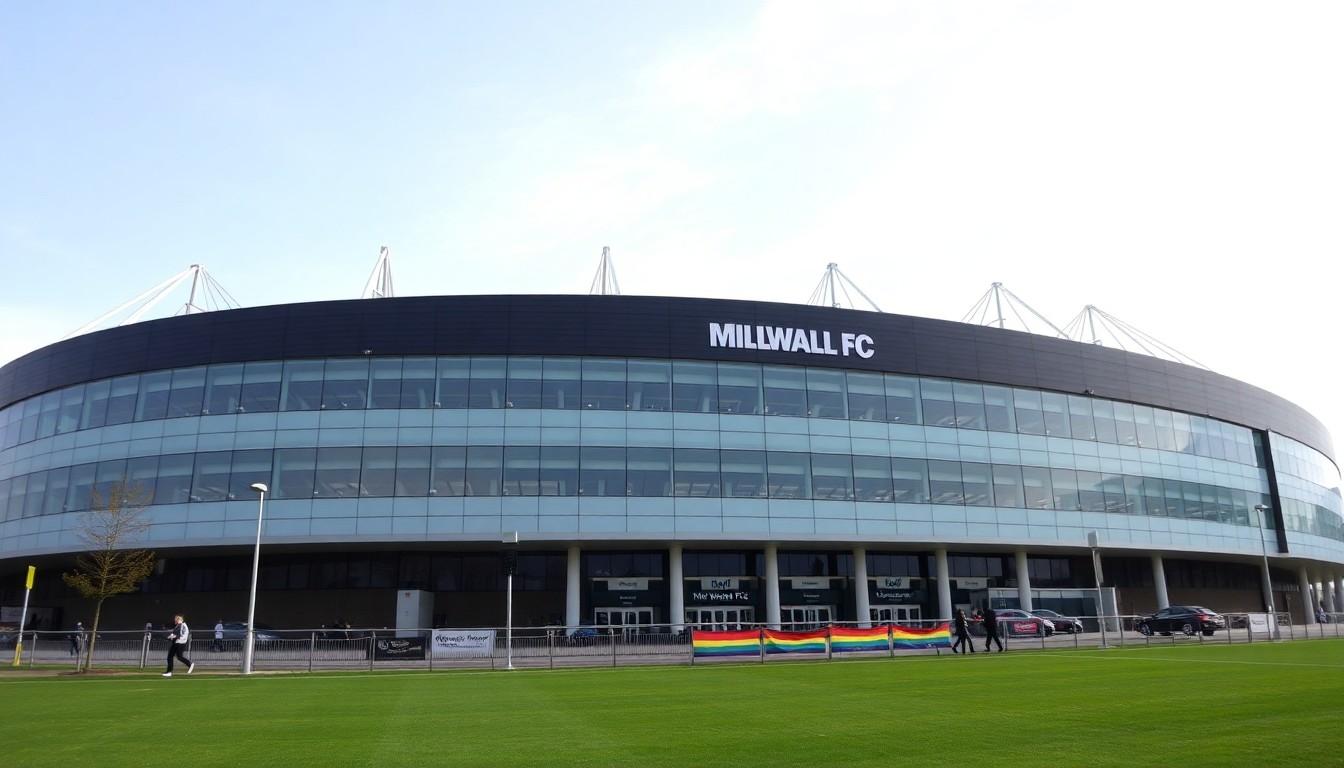
Watch Millwall’s unexpected leadership in action , the club and its Romans LGBT+ side have published a Pride Playbook to help Premier League and EFL clubs set up and sustain affiliated LGBT+ teams, a practical, year-round push for visibility and belonging that matters on and off the terraces.
Essential Takeaways
- First-mover: Millwall formally integrated an LGBT+ team into its Community Trust in 2019 and now fields Romans teams alongside Millwall Pride.
- Practical guide: The Pride Playbook gives clubs tangible steps to create and support LGBT+ football teams, from casual sessions to full 11-a-side sides.
- Real impact: Romans players are included in club events and have received visible support from first-team figures, helping players feel seen and safe.
- Fan demand: Research tied to the campaign found strong support for dedicated LGBT+ teams, with many fans reporting past homophobic incidents.
- Flexible models: Clubs are encouraged to adapt provision , five-a-side, drop-in sessions or formal teams , to local needs and resources.
Why Millwall? The club you’d least expect is leading inclusion
Millwall’s involvement has a deliciously surprising angle; their reputation from the hooligan era makes this story feel like a plot twist. On the ground, community staff and players describe a warm, hands-on welcome that's at odds with old headlines. The Romans’ integration into Millwall Community Trust in 2019 turned an optimistic pilot into a visible part of club life, and that contrast matters , it shows culture can change where it once felt fixed.
Clubs thinking of launching something similar can take heart: you don't need to rewrite your history to shift perceptions. Start with small, visible steps and let people meet one another in ordinary settings, like awards nights or mixed sessions, so inclusion becomes normal rather than token.
What’s in the Pride Playbook , and why practical steps beat platitudes
The Pride Playbook isn’t just a slogan; it’s a how-to for clubs. It maps different models , a formal 11-a-side team, a five-a-side group, or casual training , and explains how to fund, staff and promote those options. That practical focus tackles a common problem: clubs want to be inclusive but often fall short after a single Pride month event.
If you’re a club volunteer or trust manager, look for the Playbook’s sections on safeguarding, volunteer recruitment and integrating LGBT+ teams into existing structures. These are the nuts-and-bolts parts that turn goodwill into lasting programmes.
Inclusion in action: small gestures that make a big difference
Romans players don’t just train; they’re part of the club’s ceremonies and community, attending end-of-season awards alongside men’s and women’s squads. Moments like that, and instances where first-team players have engaged directly with Romans, create legitimacy. One Romans player later used a club interview as a springboard to come out to his family , a quiet but profound example of how visibility changes lives.
For clubs wanting results, the lesson is simple: include LGBT+ teams in everyday club activities. Shared spaces and shared rituals build trust faster than a single high-profile announcement.
Demand and the tough reality: fans want teams, but homophobia persists
Research attached to Millwall’s campaign found strong appetite among LGBT+ fans for dedicated teams, with a worrying majority reporting they’d experienced or seen homophobic behaviour around stadiums. That contradiction , wanting inclusion but facing abuse , explains why the Playbook emphasises ongoing support rather than one-off gestures.
Clubs should pair team creation with clear anti-discrimination policies, steward training and reporting routes. It’s also worth measuring progress: anonymous surveys and exit interviews can reveal whether members feel safer and more welcome over time.
How other clubs can adapt the model without a big budget
Not every club needs two full 11-a-side sides to be effective. The Playbook offers flexible templates: a casual five-a-side group that meets weekly, drop-in mixed trainings, or an affiliated team that uses club branding and facilities. The point is fit for purpose , design provision that matches community size and club resources.
Start modestly, document what works, and build credibility by promoting stories from participants. Local partnerships, modest sponsorships and volunteer coaches can cover costs while signalling commitment.
Closing line
It’s a small shift with big consequences: give people a place to belong and football becomes a little less hostile and a lot more human.
Source Reference Map
Story idea inspired by: [1]
Sources by paragraph: