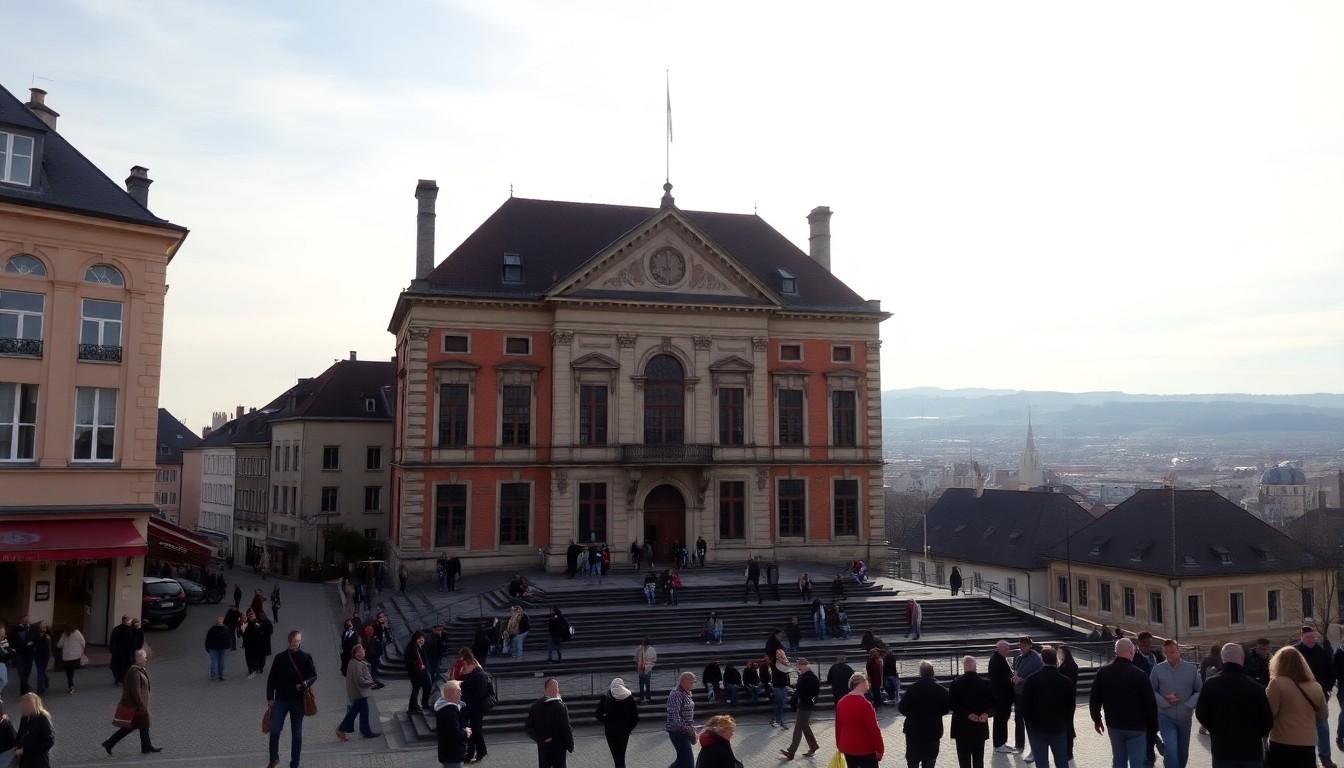
Shoppers and residents in Tournai are gearing up for the city’s second Pride parade this Saturday, driven by the same clear demands as last year , training for inclusion, school awareness and a permanent visible symbol , because visibility and rights still matter locally.
Essential Takeaways
- Core demands: organisers want inclusion training, school-based awareness and a permanent public symbol to show Tournai’s commitment to diversity.
- City response: the council postponed training to the 2027 budget but discussions are underway about scope and delivery.
- Symbol debate: officials worry public space must be neutral; activists argue visibility is inherently political and vital.
- Intersectional spirit: the march invites solidarity with other struggles against racism, patriarchy and economic exclusion.
- Contested expressions: police remain wary of certain flags for safety reasons, prompting organisers to seek clearer rules that respect free expression.
A second Pride with the same clear ask: training, schools, symbol
Tournai’s organisers are back with a familiar, determined tone , the list of demands hasn’t changed since last year, and they’re making that point loudly. The requests are simple and practical: staff training for those who work with the public, awareness programmes in schools and a permanent city symbol that visibly marks inclusivity. There’s a gritty, human edge to the campaign , people want to feel safe and recognised when they stroll through town.
The push grew from last year’s success and the organisers’ conviction that visibility isn’t a luxury but a safeguard. According to local coordinators, the event draws on the historical roots of Pride as protest, not parade alone. That framing matters because it keeps attention on outcomes rather than just celebration.
For residents wondering why training matters, think of it as basic customer service with dignity attached: better-equipped shop staff, council officers and teachers mean fewer awkward or harmful encounters. The campaign’s persistence suggests this is more than a one-off festival demand , it’s a push for lasting municipal change.
Budget realities: training moved to 2027 but talks continue
The city’s equality councillor told organisers that a training programme cannot be implemented in 2026 because the budget is already set, so it’s been placed in the 2027 budget. That’s a pragmatic compromise, and the councillor says she’s met with potential centres to find an appropriate course that could first target elected officials and civil servants, then spread to private businesses and schools.
This kind of phased approach is common in local government: start with administration, then scale out. It’s sensible but slow, and activists are right to press for timelines and accountability. If you care about this locally, ask who will deliver the courses, what the learning outcomes will be, and how many people will be trained in year one.
Expect more negotiation: training content, target groups and costs will all be pinched, prodded and revised before it hits the classroom or council chamber. Still, the fact the city has earmarked funding is a step forward, even if it feels overdue.
The public-symbol row: is visibility political or civic?
A major sticking point is the permanent symbol. Activists want something bold , a rainbow crossing, an artwork, lighting , that says “you are seen” in Tournai’s public fabric. The city council’s reply has been cautious: public space must be neutral and not serve political ends. That’s a familiar municipal argument, but organisers argue visibility itself arises from political decisions and that neutrality often masks exclusion.
There’s also a middle ground worth exploring: art commissions or light installations framed as cultural or commemorative projects can live in public space without party logos, yet still deliver the visibility activists seek. The councillor supportive of the idea says opinions differ within the college and that she’ll keep advocating; that suggests this fight isn’t over and persuasion might win the day over time.
For anyone planning civic campaigns, this episode is a reminder: define clearly what you mean by “symbol”, propose several technical options and show how maintenance and safety will be managed. That lowers the barrier to municipal buy-in.
Convergence of struggles: Pride as intersectional movement
Tournai’s Pride is consciously intersectional. Organisers invite those affected by racism, patriarchy, economic injustice and other forms of domination to march alongside LGBTQUIA+ communities. That broadened lens changes the tone: it’s less about a single identity and more about solidarity across stacked inequalities.
This approach reflects wider shifts in Pride culture seen across Europe, where events increasingly link LGBTQ+ rights to housing, labour and anti-racism campaigns. For participants, that makes the march feel both welcoming and politically urgent , a place to build alliances rather than simply celebrate.
If you’re joining, expect a diverse crowd and a set of messages that go beyond rainbow flags. That diversity is part of the point: collective safety and recognition are stronger when different groups support each other.
Flags, policing and the limits of expression on the march
A flashpoint from last year , police asking marchers to fold Palestinian flags , hasn’t fully evaporated. Organisers want clearer space for expression, arguing certain symbols fit their vision of global solidarity. Police continue to cite public-order concerns, worried some symbols could be seen as provocative and risk sparking violence.
This is a delicate balancing act. The city’s equality councillor acknowledges the flag’s symbolic place in broader struggles but also calls for a step-by-step approach to avoid clashes. Practically speaking, organisers and authorities will need to agree rules that protect free speech while minimising risk: designated zones, clear communication on unlawful acts, and dialogue before the march help.
For marchers, the pragmatic advice is to check guidance from organisers beforehand and respect any lawful directions from stewards and police. That keeps the focus on the message rather than conflict.
It's a small change that can make every march feel safer and more meaningful.
Source Reference Map
Story idea inspired by: [1]
Sources by paragraph: