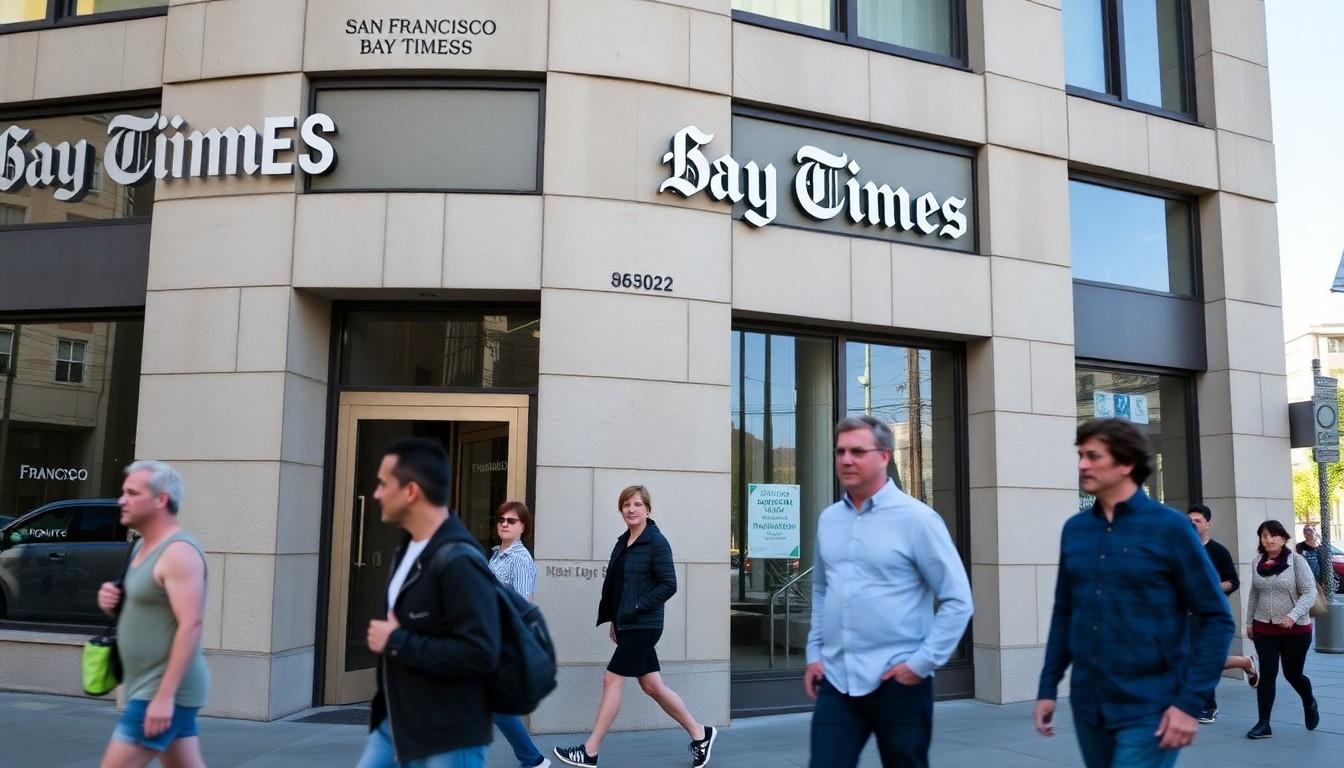
Shoppers and readers are celebrating community-focused covers that spotlight local LGBTQ+ leaders and allies, as Bay Area publications lean into storytelling that matters. The San Francisco Bay Times’ Pride 2026 cover gathers familiar faces and fresh voices, showing how visual storytelling helps communities endure and stay visible.
Essential Takeaways
- Local focus matters: The Bay Times’ Pride 2026 cover highlights dozens of Bay Area LGBTQ+ figures, creating a sense of place and belonging.
- Numbers add context: Nearly half a million openly LGBTQ+ people live in the nine-county Bay Area, a fact the Horizons Foundation tracks and that shapes coverage.
- Legacy recognition: The Bay Times has been named a San Francisco Legacy Business and will receive national recognition from the NLGJA later in 2026.
- Hope as a theme: Michelle Obama’s remarks at the Obama Presidential Center grand opening framed “hope” and mutual support as the backbone of lasting community work.
- Accessible celebration: Coverage and events, from free papers to public parades, matter because they meet people where they are and invite participation.
A cover that reads like a who’s who , and feels personal
The first impression of the Bay Times’ Pride issue is human and familiar; the faces and names on the cover read like friends, mentors and local heroes. There’s a tactile pleasure to seeing someone you know in print, and that recognition does more than flatter , it maps out a community.
The paper’s list of contributors and honourees ranges from artists to advocates, elected officials to nightlife fixtures, which reflects the Bay Area’s layered queer history. According to the Horizons Foundation, that density of openly LGBTQ+ residents shapes how media cover local life, and editors are responding by putting more neighbourhood faces front and centre.
If you’re thinking about which publications to follow, look for issues that balance big names with everyday changemakers; it’s a sign the editors are listening and not just aiming for headline splash.
Why “building something that endures” is more than a slogan
Michelle Obama’s remarks at the Obama Presidential Center opening , and the tone of the Bay Times’ note , point to a simple truth: endurance comes from showing up for each other. Her comments at the grand opening framed hope as a deliberate choice, one backed by civic engagement and mutual care.
Coverage that emphasises persistence , awards, legacy status, and continued community events , signals that a publication isn’t just chronicling moments, it’s stewarding memory. The Bay Times being recognised as a Legacy Business and set to receive an NLGJA award underlines that sustained reporting matters when communities face political and cultural headwinds.
Practical takeaway: pick local outlets with a track record; their archives and relationships matter when times get rough.
How a single issue can amplify access and inclusion
The Bay Times stresses accessibility: free distribution, community-first events like the Pride parade, and stories that reach people who might otherwise feel isolated. That’s a conscious editorial choice with real effects , visibility reduces stigma and helps people find resources and allies.
Organisers of the Obama Centre’s events and the Bay Times share a similar playbook: mix prominent public moments with neighbourhood outreach. That combination draws crowds and also creates quieter pathways for people who aren’t ready to take centre stage.
If you want to support inclusive media, subscribe where you can, recommend copies to local centres, and follow event listings , small actions that widen reach.
The practicalities: choosing covers and what they signal
Editors decide who appears on a cover for lots of reasons: recognition, diversity, historical balance and visual storytelling. A cover that includes elected leaders, performers, activists and small-business owners signals breadth; repetition of certain figures over time signals influence.
For readers, a good rule of thumb is to scan credits and captions. Do they include organisers, elders, youth voices and local institutions? That mix suggests the outlet is aiming to document a full community, not just spotlight celebrities.
For activists and PR teams, a tip: provide concise bios, links to community work, and clear photo permissions. It makes it easier for journalists to include a wider range of contributors in future issues.
Looking ahead: why thoughtful local coverage still matters
Media cycles zoom from trending moments to the next big thing, but local coverage, like the Bay Times’ Pride issue, helps memory keep pace with events. Recognition from bodies such as the NLGJA and municipal cultural districts gives that work ballast and sends a signal to funders and readers that it’s worth supporting.
And the human bit matters most: seeing a familiar face on the cover can be an act of encouragement. In times of uncertainty, that small recognition helps people feel seen, and that’s a practical boost to hope.
It's a small change that can make every celebration and every story more sustaining.
Source Reference Map
Story idea inspired by: [1]
Sources by paragraph: