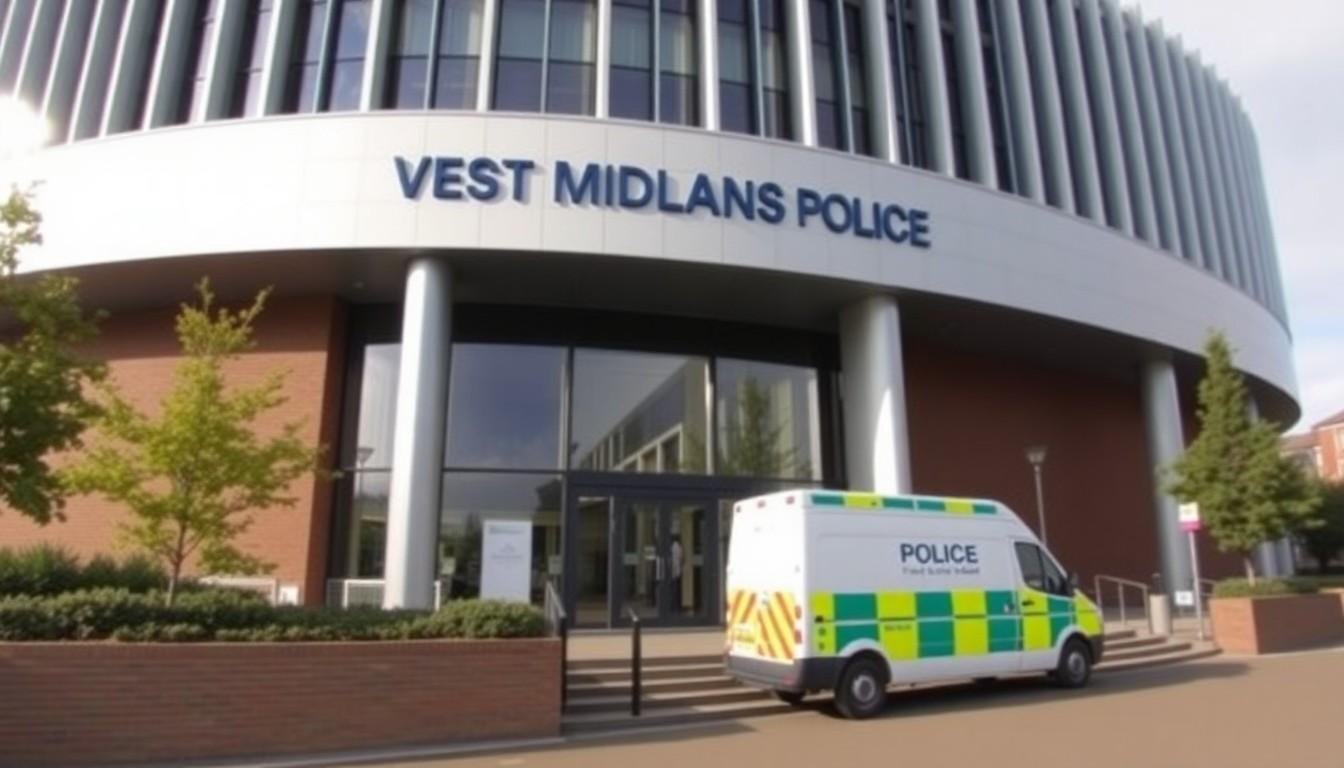
Shoppers, residents and campaigners have noticed a watershed moment after West Midlands Police's acting chief publicly apologised for decades of mistreatment of gay, bi, lesbian and trans people , a symbolic but necessary step that matters to trust, safety and the long road to real equality.
Essential Takeaways
- Historic apology: West Midlands Police's acting chief has issued a public apology acknowledging past policing that targeted LGBTQ+ people.
- Emotional response: Birmingham Pride director Lawrence Barton describes the apology as courageous and personally moving.
- Still unsafe: Despite legal equality, Barton says he still feels anxious holding his husband's hand in Birmingham; homophobia and hate crime remain concerns.
- Accountability pushes: The Police and Crime Commissioner and local campaigners lobbied for the apology as part of rebuilding trust.
- Context matters: The apology follows years of campaigning and comes amid wider examples of past refusals to apologise by earlier police chiefs.
A rare, public sorry , what changed and why it matters
This apology is notable because a senior police officer has explicitly acknowledged the role policing played in ruining lives and enforcing discriminatory laws. Campaigners and civic leaders regard the statement as a symbolic turning point, and it landed with a quiet emotional weight for many who lived through those years. According to local advocates, the move didn't come from nowhere , it followed sustained pressure from Birmingham Pride, the Police and Crime Commissioner, and survivors demanding recognition.
History is never erased by words alone, but an admission matters in law enforcement because it opens a door to accountability and rebuilding. For residents who remember entrapment tactics and prosecutions under old laws, the apology is an overdue recognition. Practical next steps will be watching whether the force pairs words with reparative actions, training, and transparent reviews that communities can see.
Personal fear amid legal progress , the human side of the statement
Lawrence Barton's reaction highlights a lived contradiction: the law may offer protection, but feelings of safety lag far behind. He says he still hesitates to hold his husband's hand in public in Birmingham, which is a stark reminder that equality isn't only legislative. That personal frisson of fear shows how trauma from historic policing shapes behaviour decades on.
Survivors and younger LGBTQ+ people experience this differently, but the common thread is mistrust of policing institutions. The apology is intended to start mending that breach, yet rebuilding confidence will take visible change , community oversight, improved reporting systems for hate crime, and consistent, respectful engagement on the street.
Where this fits in a longer campaign , who pushed for it
This public contrition followed pressure from the Police and Crime Commissioner and longstanding calls from Birmingham Pride and other local groups. Earlier chiefs had been asked to apologise and declined, so this shift marks a change in willingness at senior levels. Local campaigners point out that apologies were once rejected; that history makes this one feel like a hard-won moment.
The timeline shows a pattern: campaigns, refusals, renewed lobbying and finally an official statement. That arc is familiar in other cities too, where institutions eventually respond after years of advocacy. Now the challenge is converting acknowledgement into measurable reforms.
The reality on the streets , hate crimes and wider social context
Despite advances in law, hate crimes and hostile incidents remain a pressing problem in Birmingham and the West Midlands. Reports and coverage of local attacks and homophobic abuse underline the gap between legal protection and everyday safety. Community leaders say political rhetoric, media missteps and local election campaigns can still inflame prejudice, so the social climate matters as much as policy.
Practical measures that help include clear reporting routes for victims, visible diversity training for officers, and public monitoring of progress. For anyone concerned about safety, local support organisations and helplines can be lifelines; joining community events like Pride also helps signal solidarity and normalise queer presence in public spaces.
What to watch next , accountability beyond words
An apology is a start, not a finish. The next months should see whether West Midlands Police follows up with audits, apologies to named individuals where appropriate, and changes that community groups can verify. The Police and Crime Commissioner has framed this as necessary for rebuilding trust, but actions will be the real test , from case reviews to better hate-crime responses and partnership working with LGBTQ+ charities.
For residents and campaigners, keep asking for timelines, measurable targets and independent oversight. If those appear, this moment could mark the beginning of meaningful repair; if not, it risks remaining symbolic.
It's a small but important step , one that needs to lead to real change.
Source Reference Map
Story idea inspired by: [1]
Sources by paragraph: