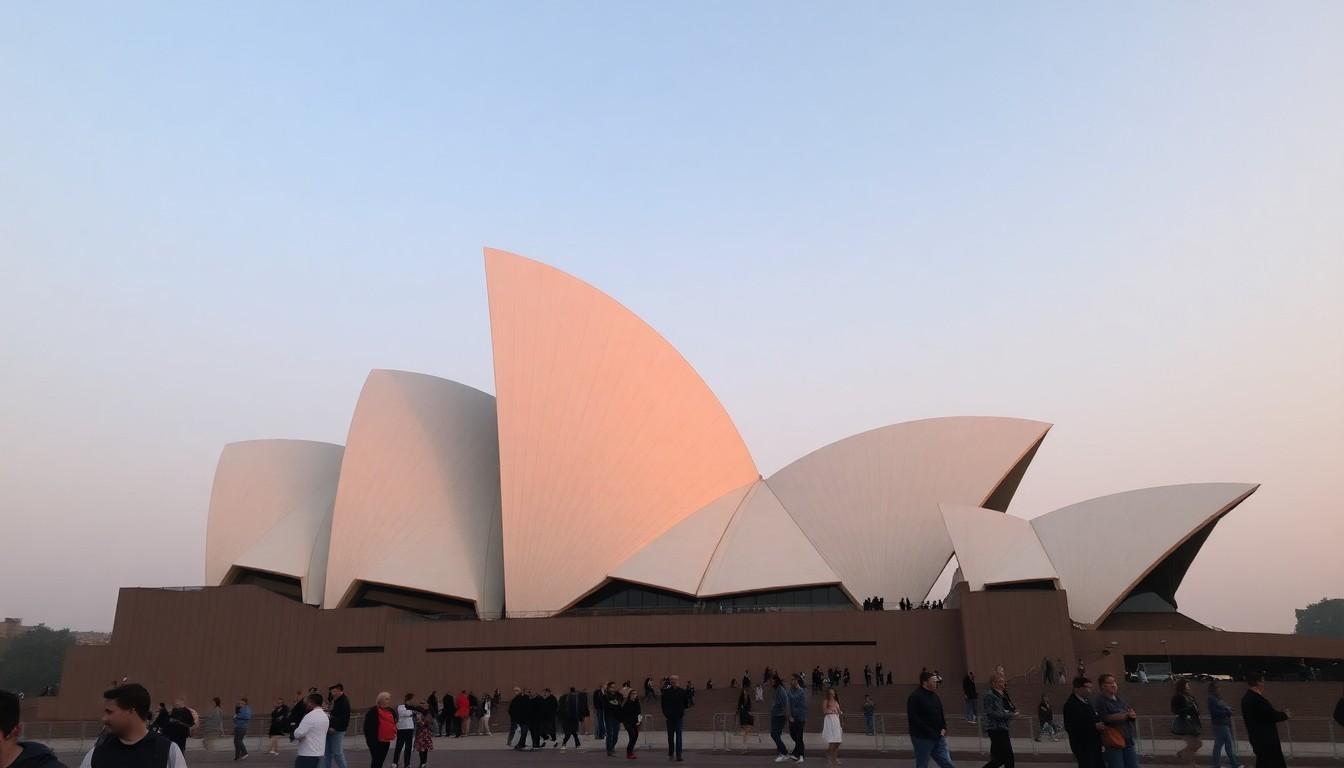
Shoppers, supporters and history buffs are gearing up as organisers unveil bold plans for the Sydney Mardi Gras 50th anniversary in 2028, promising national touring exhibitions, public artworks, a Sydney Opera House concert and expanded museum space to cement the legacy of the 1978 march.
Essential Takeaways
- National touring exhibit: A two‑year program led by Museums of History NSW will bring the first Mardi Gras and local queer histories to regional and metropolitan centres, with Salon78 forums and community activations.
- Permanent public art: City‑scale installations and interpretive markers are planned along the heritage‑listed original parade route to create a storytelling trail.
- Major cultural events: A concert at the Sydney Opera House and an international conference on sustaining social change are proposed to mark the milestone.
- Qtopia and State Library shows: Qtopia Sydney aims to double exhibition space for a permanent First Mardi Gras 78ers display, while the State Library will examine the wider 1970s gay liberation movement.
- Funding push: Delivery will rely on government grants, philanthropy, sponsorship and ticket sales; organisers are actively courting partners and donors.
Why this 50th anniversary feels bigger than any parade yet
This isn’t just another party night , it’s a programme that smells of history and purpose, with museums, arts institutions and community groups signing on to tell a broader story. The First Mardi Gras 78ers and cultural partners want the milestone to be a national conversation about rights, resistance and resilience rather than a single anniversary parade. That framing turns familiar festival energy into a teaching moment that reaches beyond Sydney, and gives regional communities a stake in the story.
Museums of History NSW are steering a touring history project that’s designed to land in both capital cities and smaller towns, mixing a travelling exhibition with Salon78 discussion forums. For people who’ve only ever known Mardi Gras as a big night out, the extra context , protests, arrests, activism , changes how you remember it.
Touring exhibitions and regional activations: why taking Pride on the road matters
The plan to tour an exhibition for two years is practical and political. Many regional areas find it hard to host Pride events, so bringing a ready‑made exhibition and activation toolkit helps local organisers stage respectful, educational events. Expect panels, oral histories, and displays that spotlight local queer pioneers alongside artefacts from 1978.
If you’re a regional organiser, simple steps like booking a local hall early, partnering with libraries and schools, and arranging community panels will make the touring show land with impact. The touring approach also means the anniversary won’t be an east‑coast echo chamber , it’ll map queer history across Australia.
Public artworks along the original route: permanence over a single monument
Instead of one monolithic memorial, organisers propose a series of permanent artworks and interpretive markers stretching along the heritage‑listed original Mardi Gras route. Think sculptural pieces, plaques with QR codes, and digital content that turn Whitlam Square and Taylor Square into a walkable history trail.
That approach spreads investment and storytelling across the city, so visitors can encounter the movement’s milestones in situ. If funding comes together, these installations will do more than commemorate , they’ll keep conversations about policing, protest and progress in the public realm for decades to come.
Culture and convening: Opera House concert and an international conference
Creative programming is central to the anniversary: a special Sydney Opera House concert is proposed to celebrate the songs and anthems that soundtracked queer life in the 1970s, while an international conference titled Sustaining Social Change , The Legacy of 1978 will convene activists, historians and policymakers. Those events stitch together arts, scholarship and advocacy, showing how culture and protest feed each other.
For attendees, the conference could be an opportunity to compare international campaigns, explore archival practice and discuss current policy challenges. For artists and audiences, the concert promises a sentimental and political soundtrack that makes the past feel immediate.
Qtopia expansion and the State Library exhibition: anchoring the story in place
Qtopia Sydney, located in the former Darlinghurst Police Station and courthouse precinct, is being primed as a cornerstone venue with plans to double its exhibition space and host a permanent First Mardi Gras 78ers display. The site’s history , where several marchers were detained after the 1978 crackdown , gives the museum a powerful spatial memory that’s hard to replicate elsewhere.
Meanwhile, the State Library of NSW is developing a major exhibition that places the first Mardi Gras within the longer gay liberation story of the 1970s, challenging the myth that activism began in 1978. Exhibitions at these institutions will give the anniversary intellectual heft and help preserve records for future researchers and the community.
Funding, partners and the road ahead
Organisers are upfront that delivering this layered programme will require substantial investment. The funding plan mixes government grants, philanthropic giving, corporate sponsorship and ticket revenues, and they’re actively seeking partners. If you fancy supporting the cause, cultural institutions and Mardi Gras bodies usually publish sponsorship and donation pathways as plans firm up.
This anniversary is also a reminder that remembrance takes resources , and that legacy projects depend on a mix of public will and private generosity. Expect announcements about fundraising initiatives and partnership rounds as 2028 approaches.
It's a small change that can make every celebration more meaningful.
Source Reference Map
Story idea inspired by: [1]
Sources by paragraph: