Catch Shakeel Kimotho as Hanna in Channel 4’s Tip Toe , a vivid, timely performance that brings working-class queer Northern life and gender transition into the heart of a tense new drama, and shows why representation still matters on screen.
- Standout performance: Shakeel Kimotho makes a memorable TV debut as Hanna, a charismatic bartender whose journey of becoming feels tender and real.
- Emotional texture: The show balances tension and intimacy , scenes feel close, sometimes quiet, sometimes raw.
- Representation matters: Tip Toe foregrounds intersecting identities , working-class, queer, mixed-heritage, trans , with care and authenticity.
- Practical takeaway: If you’re new to the show, watch with a friend or a group , it’s designed to provoke conversation, not to be internalised.
Why Shakeel’s Hanna lands so strongly on screen
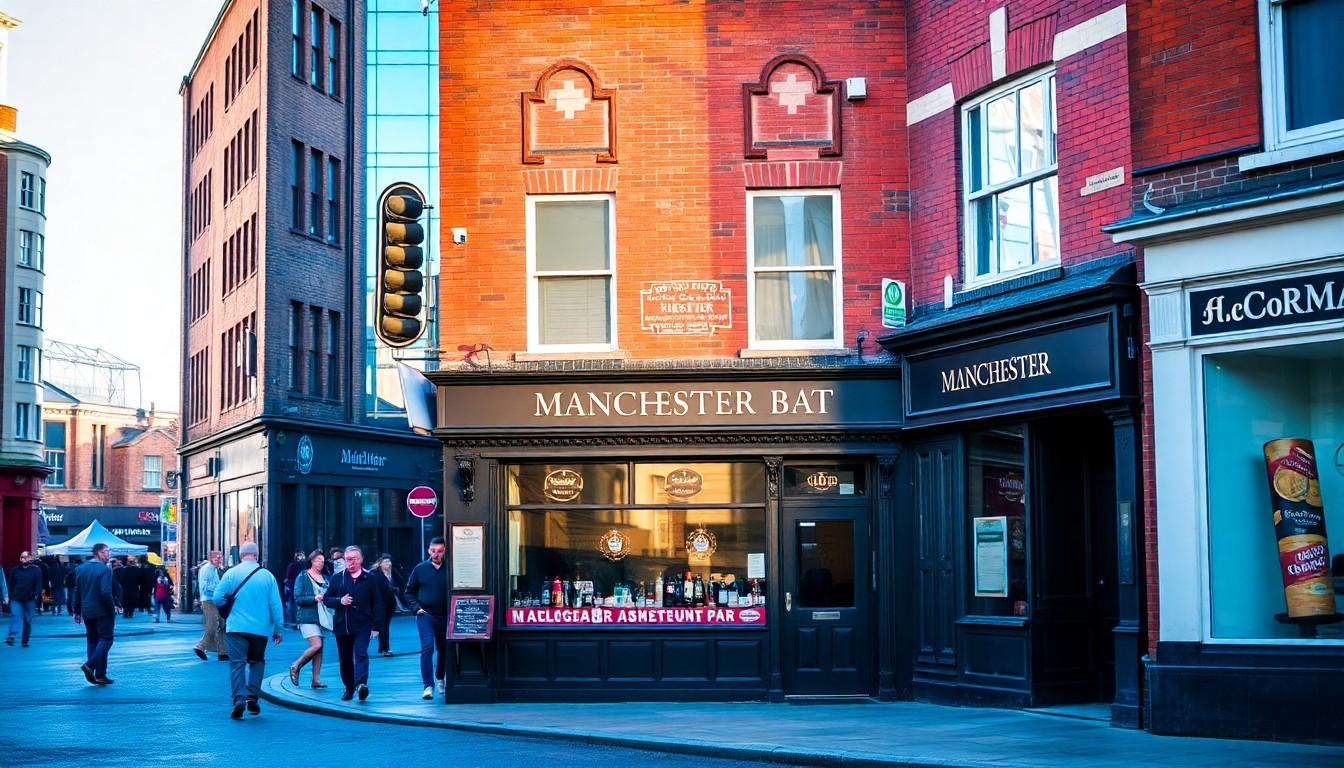
Shakeel Kimotho’s Hanna arrives not as a finished portrait but as someone in motion, and that movement is the point. You can sense the care in each gesture; the character’s voice and pronoun shift register as honest and lived-in rather than staged. According to Channel 4 press notes, Tip Toe centres on a Canal Street bar, and it’s in that close, social setting that Hanna’s warmth and curiosity anchor us amid the drama.
The backstory matters: Shakeel’s theatre career , credits in La Cage Aux Folles and CATS among them , gives them a grounded physicality, a presence that translates well to television. Viewers notice it immediately because the role asks for nuance over spectacle, which is exactly what Shakeel delivers.
How Tip Toe uses neighbourhood drama to ask big questions
Tip Toe begins with a neighbourly feud and then eases, chillingly, into themes of radicalisation and online echo chambers. Russell T Davies’ script and Channel 4’s production choices thrust ordinary community life into peril, making the stakes feel immediate. Press materials and early previews emphasise the Manchester setting and the Spit and Polish bar as a social hub , a place where queer friendship is a lifeline.
That intimacy is the show’s strength: friendships and small kindnesses become a counterweight to the forces tearing communities apart. It’s also why the series reads as a “call to arms” for conversations about hatred and digital radicalisation rather than a didactic lecture.
Representation on screen: more than tokenism
There’s a real sense that Tip Toe was assembled with representation in mind. Shakeel, a mixed-heritage trans performer from a Northern, working-class background, spoke about how the role resonated with their experience and how they consulted friends to shape Hanna’s sapphic transness. That approach , listening, consulting and embedding lived experience , shows on screen.
Industry players have flagged the importance of credible casting and community consultation. For audiences who’ve long felt unseen, scenes of queer solidarity and working-class specificity will feel like recognition rather than shorthand. If you care about on-screen authenticity, Tip Toe is worth watching for that alone.
Practical viewing tips: how to get the most from Tip Toe
Tip Toe asks for attention. It’s the kind of show that benefits from shared viewing or a post-episode chat because it raises nuanced questions rather than handing you tidy answers. If you’re watching for the first time, consider pausing to reflect after key scenes, or read up on Trans on Screen resources to contextualise portrayals of gender transition.
For parents, teachers or community workers, the drama can be a springboard to discuss online radicalisation and how communities can respond. And if you’re drawn to performance skills, note how Shakeel’s theatre training translates into camera work , a reminder that stage craft still teaches essential screen instincts.
What Shakeel’s buoyant presence means for the future
This feels like a full-circle moment for Shakeel, who has spoken about the influence of Queer As Folk on their artistic awakening. Their TV debut is also a signal: casting trans performers in complex roles is both possible and vital. As the industry evolves, shows that lean into lived experience while telling universal stories stand a better chance of resonating widely.
Shakeel has urged emerging trans actors to use available resources and workshops, and their optimism is contagious. Expect to see them at Pride this summer , and don’t be surprised if audiences are eager to say hello.
It's a small change that can make every screen feel more like real life.
Source Reference Map
Story idea inspired by: [1]
Sources by paragraph: