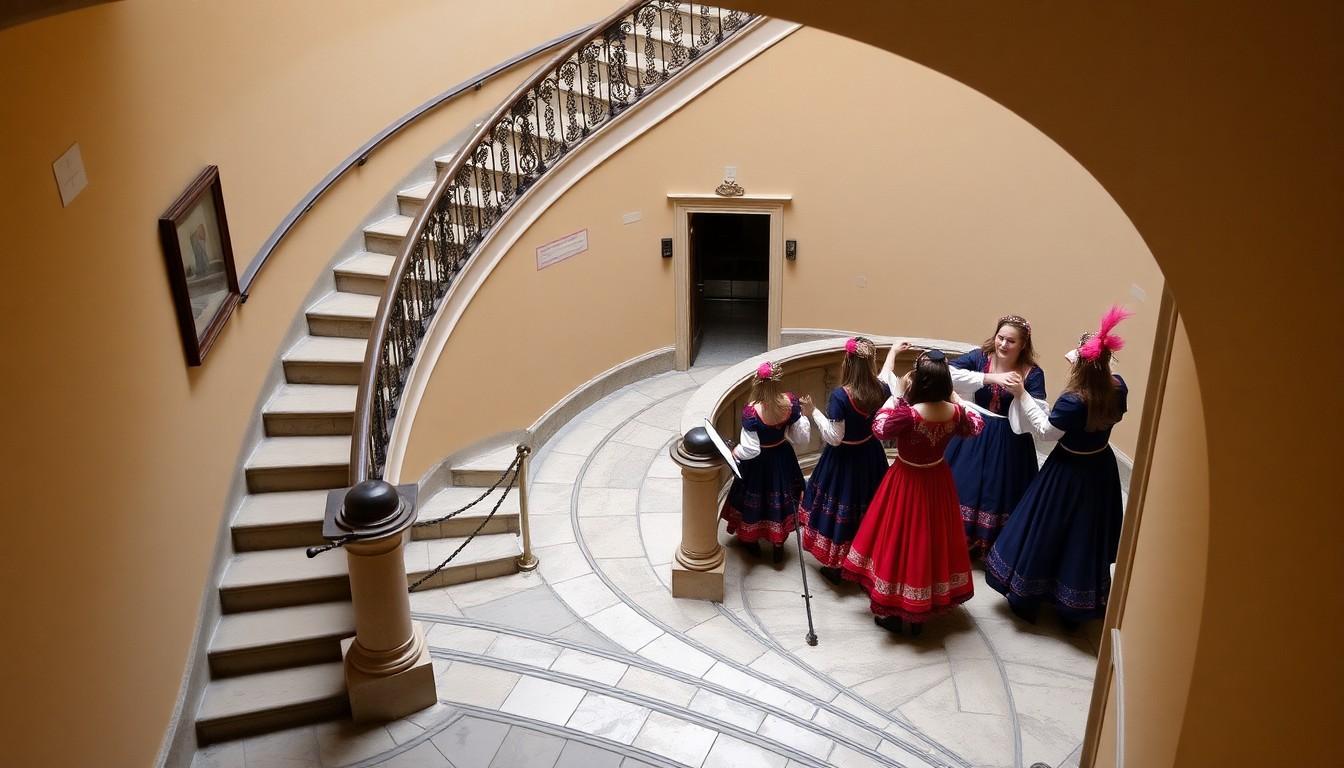
Watchers have been sharing the new Naples Pride 2026 spot online, and it matters: the film, packed with local colour, humour and a fierce claim, sets the tone for the thirtieth edition and asks why freedom should ever need correcting. It’s a celebration of trans visibility, neighbourhood memory and a very Neapolitan kind of defiance.
Essential Takeaways
- Bold slogan: "’A libertà nun se corregge" frames the thirtieth Napoli Pride as unapologetic and rooted in local language and feeling.
- Iconic imagery: The Femminelle of Partenope and a 90-year-old Tarantina star in a tombola scene that’s both funny and biting; the visuals feel warm, lived-in and slightly cheeky.
- Historic nods: The spot references Naples’ film and cultural past, De Sica’s 1963 scenes and Viviani’s song, tying queer visibility to civic memory.
- Inclusive cast: Activists, drag performers, musicians and community figures appear; the video's aim is explicitly intersextional and welcoming.
- Event details: The Napoli Pride march will be on Saturday 27 June 2026, promising an open square where all identities can parade with pride.
A slogan that sounds like home , and a challenge
The line "’A libertà nun se corregge" lands like a homegrown manifesto; it’s colloquial, blunt and affectionate all at once, and that’s the point. The new spot opens with the smell of coffee and a cramped room full of laughter, where a tombola game becomes a vehicle for ironic commentary about rights still denied. The filmmakers make politics feel domestic, which is disarming and clever.
The phrase also signals how the Pride wants to talk to Neapolitans: not from the margins, but from the centre of everyday life. According to organisers, the campaign was born from local activism and aims to make visibility feel familiar, not exotic. If you want a Pride that speaks your dialect, this one does.
Femminelle, tombola and a grandmother as a heroine
There’s a tactile joy to the video: wooden number tokens, a panariello basket, the rustle of cards and, crucially, a ninety-year-old Tarantina who “calls” the numbers. That choice is deliciously political, elderly women from the Quartieri Spagnoli carry a history of neighbourhood resilience, and their presence flips expectations about who gets to be the face of a queer campaign.
The creative team points to local performers and activists to root the piece in community. It’s a reminder that visibility is not only about youthful scenes: intergenerational solidarity is central. If you’re planning to support Pride, look for events that center elders and grassroots voices, they often bring the sharpest cultural critique.
Music, memory and cinematic Naples
The soundtrack borrows from Raffaele Viviani’s "Bammenella," associated with Angela Luce, giving the spot an old‑world melody that becomes a hymn for dignity. Filming locations wink at film history, Gradini Giuseppe Piazzi evokes Vittorio De Sica’s 1963 sequences, so the whole thing reads as a layered postcard of the city.
This melding of song, cinema and street life is a smart move: it ties queer struggle to Neapolitan identity and cultural pride. For readers interested in cultural PR, it’s a textbook way to localise a global movement, use the music and places people already love to build emotional trust.
What organisers want you to know about the march
The Napoli Pride organisers have been clear: this year’s march on 27 June 2026 aims to be open, inclusive and intersectional. The presentation took place at the Maschio Angioino alongside the symbolic granting of honorary citizenship to Franco Grillini, a figure in national LGBTQ+ politics, which underlines how local and national histories intersect here.
Practical tip: if you plan to join, check the Napoli Pride website for route updates and accessibility info. Events that foreground intersextionality often run panels, quieter zones and services for people with different needs, so you can take part in the way that suits you best.
Why this Pride feels different , and what it might change
There’s a bittersweet humour in the spot that makes its political point without being didactic. By using an emblematic Neapolitan pastime to discuss rights, the video makes the case that queer lives are woven into the city’s fabric. Organisers and local activists hope this visibility will shift everyday attitudes, from neighbourly gossip to institutional recognition.
Looking ahead, the campaign is more than a single video: it’s the opening note for a year of actions, conversations and public performances. If the past is any guide, Naples will answer with colour, music and a stubborn tenderness.
It's a small cultural nudge with a big heart, go see it, and bring your curiosity.
Source Reference Map
Story idea inspired by: [1]
Sources by paragraph: