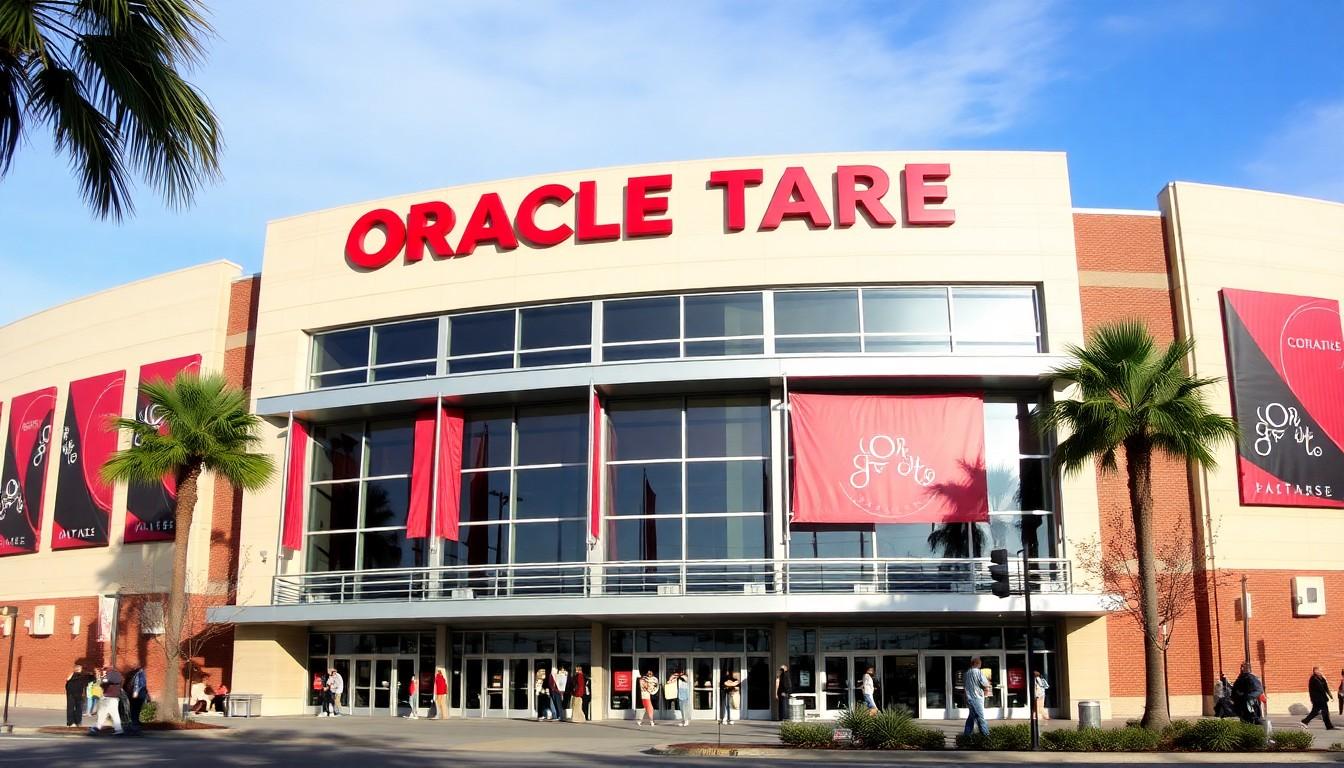
Shining bright and stirring debate, the San Francisco Giants hosted Pride Night at Oracle Park on June 12, 2026 , a colourful evening of vows, music and rainbow fireworks that also ignited a national conversation about faith and symbols, showing how sport remains a vivid stage for culture and community.
Essential Takeaways
- Big celebration: The Giants programmed music, performances and a Vow Renewal Ceremony, creating a bold, festive stadium atmosphere.
- Notable performances: The GLIDE Ensemble sang the National Anthem, Peaches Christ hosted a vow ceremony, and guest DJ Juanita MORE! spun Pride anthems.
- On-field controversy: Three pitchers wrote Bible verses on specialised caps and one wore a non-Pride cap, prompting nationwide discussion about the rainbow’s meaning.
- Visuals and sound: Oracle Park was drenched in rainbow light and post-game fireworks were choreographed to Pride music, offering strong visual spectacle.
- Game result: The Chicago Cubs won 5–1, but the night’s social conversations outshone the scoreboard for many fans.
A vivid, sensory celebration at Oracle Park
Oracle Park looked and sounded like a block party, with stadium lights bathing the seats in vibrant rainbow colours while familiar Pride anthems thumped through the speakers. Fans reported an energetic, communal feel as couples renewed vows and groups danced in the concourses. According to the Giants’ event information, the franchise stages Pride Night as one of its signature specials, drawing both longtime supporters and curious first-timers.
The festivities included a Vow Renewal Ceremony hosted by San Francisco performer Peaches Christ and a ceremonial first pitch presented by Gilead’s Ellie Shafer, which added a tender, civic note to an evening of spectacle. For many attendees the sensory elements , the glittering fireworks, the music, the crowd noise , made the night feel celebratory and affirming.
Performers and programming gave the night its shape
Musical and performance programming amplified the message: the GLIDE Ensemble opened the game with the National Anthem and Juanita MORE! DJed a set that leaned into classic and contemporary Pride anthems. Local arts listings confirm Juanita MORE!’s involvement, underlining how the Giants tapped community talent to soundtrack the evening. These creative choices helped the event feel rooted in San Francisco’s queer cultural scene rather than a generic stadium activation.
Event pages and promotions framed Pride Night as part of the team’s ongoing community outreach, with special tickets and themed activations that signal the franchise’s intent to build sustained relationships with LGBTQ+ fans. For anyone looking to attend in future years, checking the Giants’ Pride Celebration page early will help you snag themed tickets and activations.
The controversy that shifted headlines off the field
The celebration took a sharper turn after three pitchers , including starter Landen Roupp and relievers JT Brubaker and Ryan Walker , wrote Bible verses on specially made caps that otherwise bore the Pride logo. Another pitcher, Sam Hentges, chose to wear a regular cap without the Pride emblem. Coverage from local outlets documented the moment and the swift national reaction that followed, as commentators debated whether religious expression on team-issued gear amounted to a protest against Pride or a personal statement.
That debate matters because the rainbow has become both a civic symbol of LGBTQ+ pride and, in some religious circles, a reclaimed or contested motif. The players’ actions provoked strong responses across social media and sports pages, turning what was planned as celebration into a broader conversation about freedom of expression, team branding, and the boundaries of activism at public events.
How teams and fans are navigating symbolism in sport
Sports franchises are increasingly aware that stadium activations carry symbolic weight beyond the game. The Giants’ Pride Night joined a growing list of team-led inclusivity events that pair entertainment with social messaging, and the pushback around the caps shows how quickly symbolism can be repurposed or contested. Industry observers note this isn’t unique to baseball; teams across leagues have had to balance internal diversity, sponsor relationships and player expression.
If you’re a fan trying to make sense of these moments, look at three things: the team’s stated intent in its promotional materials, players’ personal statements if they offer them, and local reporting for context. That approach helps separate orchestrated programming from spontaneous gestures and clarifies what the franchise controls and what falls to individuals.
Practical takeaways for future Pride Nights
Planning to attend a Pride Night at a ballpark? Expect louder music, themed merchandise, and family-friendly activations alongside activism and, sometimes, heated debate. Buy tickets early via official team pages, arrive with an open mindset, and remember that public celebrations can be both joyful and politically charged. If noise or crowds aren’t your thing, consider catching highlights online , the choreographed fireworks and music often make for striking clips.
For community members and allies, events like this remain useful reminders that sport can be a powerful communal stage. The fireworks and music make for memorable images, but the conversations that follow keep inclusion and representation in public view.
It's a small change that can make every fan feel seen, even when the conversation gets louder.
Source Reference Map
Story idea inspired by: [1]
Sources by paragraph: