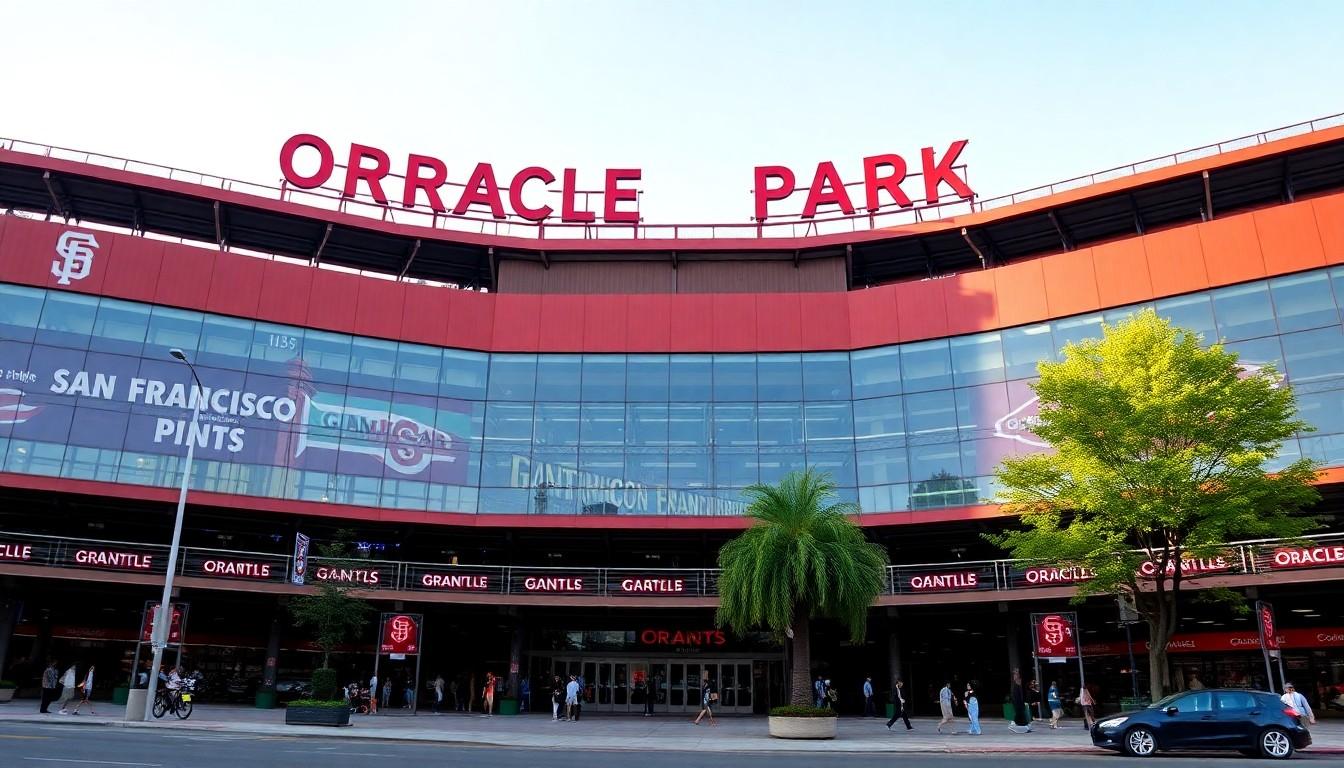
Shoppers are watching as a Pride Night controversy at Oracle Park spills into politics and civil rights, with three San Francisco Giants pitchers criticised for scribbling Bible verses on rainbow caps; the row matters because it touches free expression, MLB uniform rules, and the city's long‑standing LGBTQ+ reputation.
Essential Takeaways
- What happened: Three Giants pitchers wrote Bible verses on their Pride-game caps and one pitcher declined to wear the hat, sparking protests outside Oracle Park and online backlash.
- League response: Major League Baseball issued warnings for altering official uniforms, not for the content of the inscriptions.
- Legal escalation: The U.S. Department of Justice has opened an inquiry into whether MLB discriminated against the players on religious grounds.
- Local reaction: San Francisco officials, Pride leaders and local Democratic Party members publicly criticised the players and the Giants' handling, while some former players and commentators launched vitriolic attacks.
- Practical note: The episode has prompted calls for dialogue between the team, faith leaders and LGBTQ+ community representatives to repair trust.
Why three Pride hats turned into a citywide story
The image of tiny, hand‑written Bible verses on rainbow caps felt almost cinematic , a quiet, tactile choice that quickly spoke louder than anyone expected. The inscriptions referenced the post‑flood passages in Genesis, and that juxtaposition with a Pride symbol propelled the moment from dressing room to front page. According to reporting, that visual was enough to draw protestors outside Oracle Park and to prompt sharp public statements from city leaders. San Franciscans tend to treat Pride as part of the city's civic identity, so anything that appears to weaponise the rainbow will be read intensely.
Backstory matters here. The hats were part of an MLB Pride Night initiative; league rules govern uniforms, and MLB's initial action was framed as a rules enforcement, not a content ban. Still, politics seeped in fast , critics read the inscriptions as an intentional rebuke of Pride messaging, while defenders framed it as a religious expression. That split is the reason this is no longer just a clubhouse kerfuffle.
MLB, the Justice Department, and the thin line between policy and belief
Major League Baseball warned the pitchers for modifying official gear, a tidy, procedural response on the surface. But the U.S. Department of Justice has since opened an investigation into whether the league's treatment of the pitchers crossed into religious discrimination, with an Assistant Attorney General asserting that corporate policy can't unreasonably burden religious beliefs. That elevates the dispute from public relations to potential civil‑rights territory.
This is where legal nuance matters. The Civil Rights Act protects religious practice in many contexts, but sports leagues also enforce uniformity and image control. Expect lawyers and labour experts to parse whether rule enforcement was even‑handed. For fans and civic leaders, the takeaway is practical: policy needs clarity so teams don't appear to pick between enforcing rules and respecting belief.
Local leaders, Pride organisers and community reactions
San Francisco's mayor said he was "really upset" about the incident and urged conversations between the Giants and community leaders , both LGBTQ+ and faith‑based. The executive director of San Francisco Pride, a trans woman, said she wanted the chance to speak directly with the players, highlighting the value of personal dialogue rather than anonymous statements on social media. Meanwhile, the San Francisco Democratic Party passed a resolution denouncing what it called a weaponisation of the rainbow and criticising the team's leadership.
That mix of public pressure is important: civic institutions signalling disapproval can shape a team's response more than fan tweets. For residents who rely on cultural institutions to reflect local values, this felt like a breach. For the players, it’s a reminder that individual gestures at high‑visibility events can have outsized consequences.
Media, former players and the ugly underside of social reaction
Not all the response has been measured. A former player went on a homophobic tirade online, amplifying the uglier end of debate and prompting further condemnation. Pressed by reporters, Buster Posey, now the Giants' president of baseball operations, declined to answer non‑baseball questions, saying he'd stick to on‑field matters. That refusal left some observers craving leadership and an explicit reckoning from the organisation.
Media coverage has ranged from straight reporting of events to opinion pieces about culture wars in sport. That variation shows how polarised cultural stories can become lightning rods for broader debates about identity and inclusion. For teams, the lesson is obvious: silence looks like avoidance, and muddled statements can fuel further controversy.
What fans, parents and casual observers should keep in mind
If you're a parent, a fan, or someone who cares about how sport reflects community values, a few practical things matter. Teams and leagues are balancing uniform regulations, sponsorship needs and a diverse fan base; individual players still hold free‑expression rights , but those rights interact with collective rules. If you want change, insist on dialogue: Pride organisers and city leaders have asked to speak directly with players, and those kinds of conversations defuse anger more effectively than social‑media pile‑ons.
Also, look for policy updates. This dispute has already prompted legal scrutiny and could lead to clearer MLB guidelines about personal messaging on gear. For now, choose how you engage: boycott, protest, write the team, or attend a meeting , civic pressure is what moved local leaders to act.
It's a small civic test with big optics; how the Giants and MLB handle it will matter beyond a single season.
Source Reference Map
Story idea inspired by: [1]
Sources by paragraph: