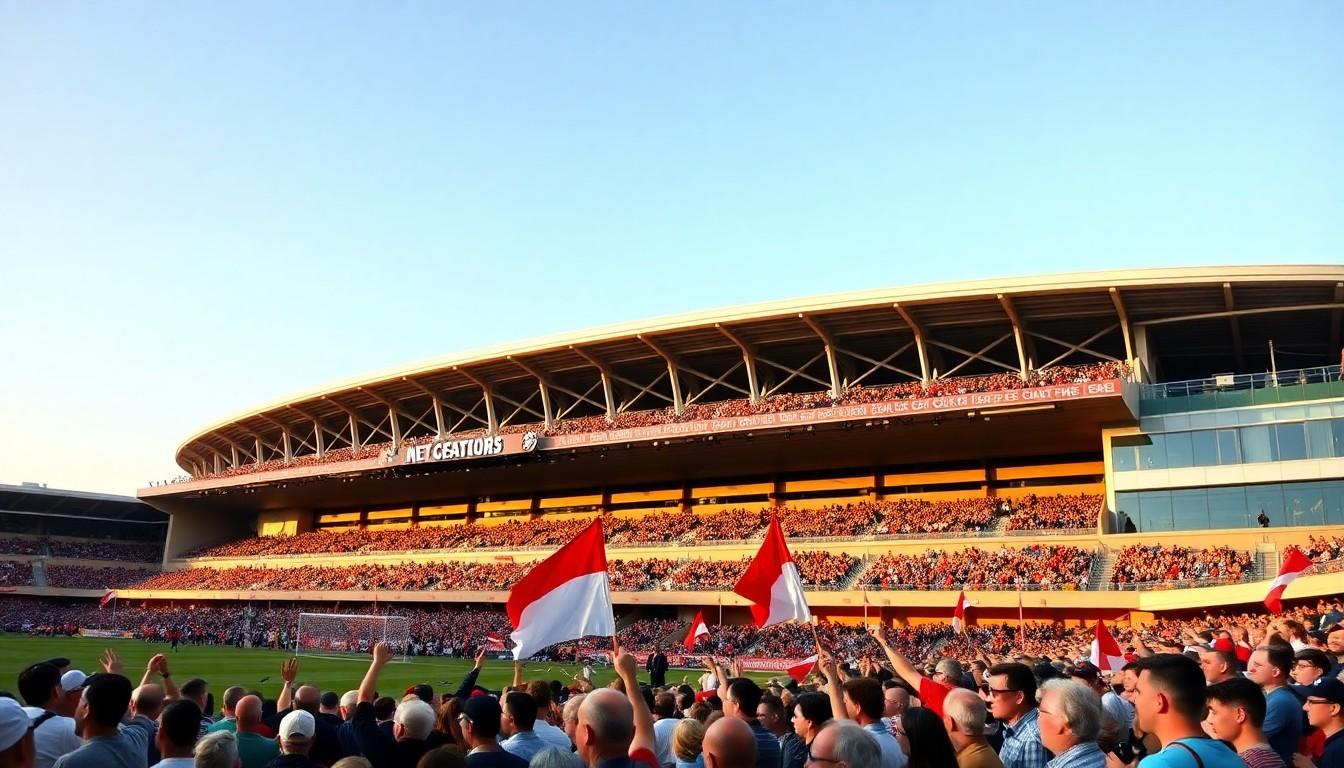
Shoppers, residents and football fans are already talking: Seattle’s scheduled World Cup match between Egypt and Iran falls on Pride weekend, and FIFA has confirmed rainbow flags will be allowed inside the stadium , a decision that brings local celebrations and international tensions into the same spotlight.
Essential Takeaways
- FIFA ruling: Rainbow flags and other LGBTQ+ symbols are permitted inside stadiums under the World Cup Stadium Code of Conduct when used consistent with size and non-political rules.
- Local event: The Pride activities are organised by Seattle’s local World Cup committee and civic groups, not by FIFA itself.
- Cultural friction: Egypt and Iran have objected, noting their laws and cultural norms criminalise homosexuality, making the match a sensitive moment.
- Practical note: Flags must obey stadium limits on size and content; overtly political banners remain banned and may be confiscated.
What FIFA actually said about flags , simple and strict
FIFA has made a clear, short call: fans of all sexual orientations and gender identities are welcome at World Cup matches, and general human-rights symbols, including rainbow flags, are permitted inside stadiums if they follow the Stadium Code of Conduct. That means there’s room for personal expression, but also rules about dimensions and what counts as a political statement. Expect stewards to check flag sizes and wording at the gates. According to FIFA, the line is drawn where a display becomes overtly political or contravenes the venue’s safety rules.
Why Seattle’s Pride weekend matters , local tradition meets global stage
Seattle’s Pride celebration has been a city fixture for decades, and organisers say the weekend’s events simply coincide with the match by chance. The local World Cup committee and civic groups planned Pride programming independently, and they’ve framed the spotlight as an opportunity to promote inclusion. For Seattle residents it feels natural , colourful, noisy and unapologetic , but when a stadium hosts teams from countries where homosexuality is criminalised, that same vibrancy can create diplomatic discomfort.
The Egyptian and Iranian objections , not just a PR hiccup
Egypt and Iran publicly pushed back after the draw was made, citing cultural and religious values that criminalise LGBTQ+ people at home. That objection matters for two reasons: it highlights the cultural gap between host-city festivities and visiting teams’ norms, and it raises questions about the players and delegations who may feel uncomfortable. It’s a reminder that global tournaments involve more than tactics on the pitch; they also mix laws, beliefs and fan culture in ways organisers must navigate carefully.
How this echoes past World Cups , lessons from controversy
This isn’t the first time FIFA has had to referee off-pitch debates. At the 2022 World Cup in Qatar, FIFA warned captains against wearing the “OneLove” armband, citing bans on political slogans. The Seattle situation is different because Pride is a local civic tradition and FIFA distinguishes between city-side events and what it directly organises. Still, expect comparisons and scrutiny from media and human-rights groups, and for stewards to be unusually attentive to the fine print of what’s allowed inside the arena.
What fans should take to the match , practical tips
If you’re going to the game, bring a small-to-medium rainbow flag if you want to show support, but check the stadium’s size limits first to avoid having it turned away. Keep banners non-political and free of slogans likely to be judged inflammatory. Be respectful of fellow fans and visiting supporters; this match is as much a cultural exchange as a sporting contest. And if you plan to join city Pride events, remember they’re organised separately from FIFA , so there’ll be far more colourful programming in the streets than inside the stadium.
It's a small decision with big symbolism , and one that will be watched as closely as the scoreline.
Source Reference Map
Story idea inspired by: [1]
Sources by paragraph: