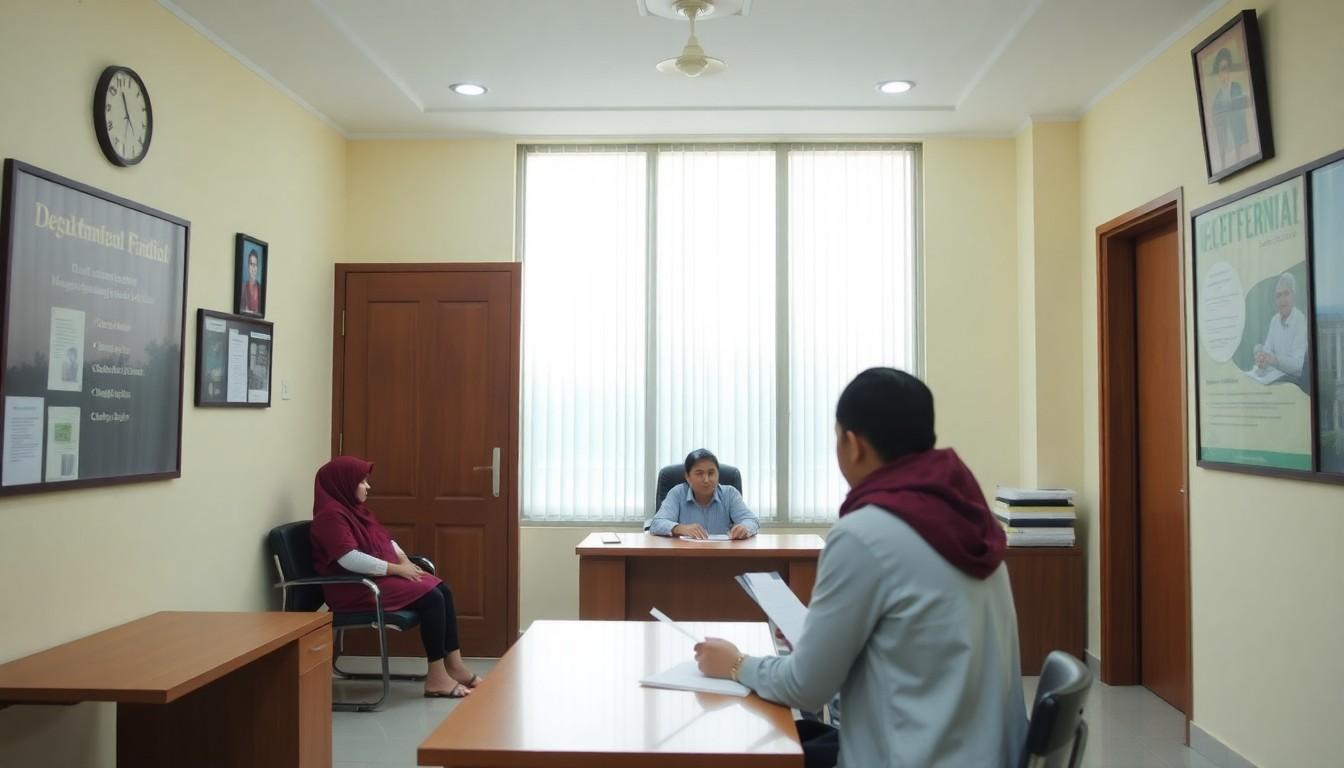
Shoppers for calm, not conflict: South Sumatra’s women and child protection office is offering free, confidential counselling to parents and youngsters as LGBT identities become more visible online, aiming to reduce harm and give families a safe place to talk.
Essential Takeaways
- Free local service: The South Sumatra Dinas PPPA provides no-cost counselling through its UPTD offices for parents, children and families.
- Confidential support: Sessions are intended as safe, non-judgemental spaces for psychological and social guidance.
- Digital visibility: Officials cite growing online visibility of LGBT communities as a reason for increased demand and need for family guidance.
- Reach and reporting: Community estimates suggest up to 20,000 people in the province identify within LGBT groups, while health services have 316 formal reports or treatments.
What the new free counselling actually offers
The strongest news here is simple: anyone in South Sumatra struggling with questions about sexual orientation or gender identity, or the family dynamics that follow, can now seek guidance without a fee. That’s a relief for people who might otherwise worry about cost or stigma, and the sessions are designed to be discreet and supportive. According to Dinas PPPA leadership, the UPTD provides protection services for women and children and has extended those services into counselling in response to changing social realities.
Locally based counselling means people don’t have to travel far or expose themselves to wider community scrutiny. For parents, that can make a huge difference: a quiet conversation with a professional may be less threatening than an emotional family confrontation. If you’re unsure where to start, call your nearest UPTD as listed on the provincial Dinas PPPA website for opening times and how to book.
Why officials emphasise family guidance now
Officials point to the digital era as a turning point: social media and messaging apps make it easier for queer communities to connect and for young people to explore identity. That visibility can feel sudden for parents, who may lack the language or knowledge to respond in a calm, constructive way. The Dinas PPPA frames the counselling as preventive and educational, aiming to equip families so they don't accidentally cause psychological harm through reactionary measures.
It’s worth remembering that public-health approaches favour dialogue and mental-health support over criminalisation or ostracism. If you’re a parent, try approaching conversations with curiosity rather than judgment; counsellors can help you practise that.
How many people are affected , and what the numbers mean
Community groups have estimated that almost 20,000 people in South Sumatra identify with LGBT communities, while official health data records 316 people who have reported and received treatment. Those figures aren’t contradictory: grassroots counts often include people not captured in formal healthcare data, and many people may seek help outside official channels.
Numbers help make the case for services, but they don’t tell personal stories. If you or someone close to you is part of these figures, the availability of a local counselling option means you can talk about identity, health or family tensions with a trained listener.
Choosing the right support and what to expect
Practical tip: when you contact UPTD, ask about the counsellor’s training, confidentiality policies and whether sessions are one-to-one or offered for families. Some people will benefit from ongoing therapy; others just need a few sessions to stabilise a situation. If you’re a young person, you can ask to speak privately first, many services allow that.
If the first service doesn’t feel right, that’s okay. Different counsellors have different styles. You can request a different professional or ask for referrals to specialist NGOs or health services. For urgent safety issues, contact medical or emergency services first.
The wider picture and what comes next
This move from the provincial Dinas PPPA mirrors a slow shift in many regions: institutions are recognising the need for supportive, health-focused responses as identity becomes more visible online. According to local reporting and government pages, the UPTD structure is meant to deliver practical protection and social services at community level, which makes counselling easier to access.
Looking ahead, expect calls for more training, clearer public information and stronger links between health services and community groups so people get consistent, compassionate care. It’s an incremental change, but one that can reduce fear and open up better family conversations.
It's a small change that can make every conversation safer and more constructive.
Source Reference Map
Story idea inspired by: [1]
Sources by paragraph: