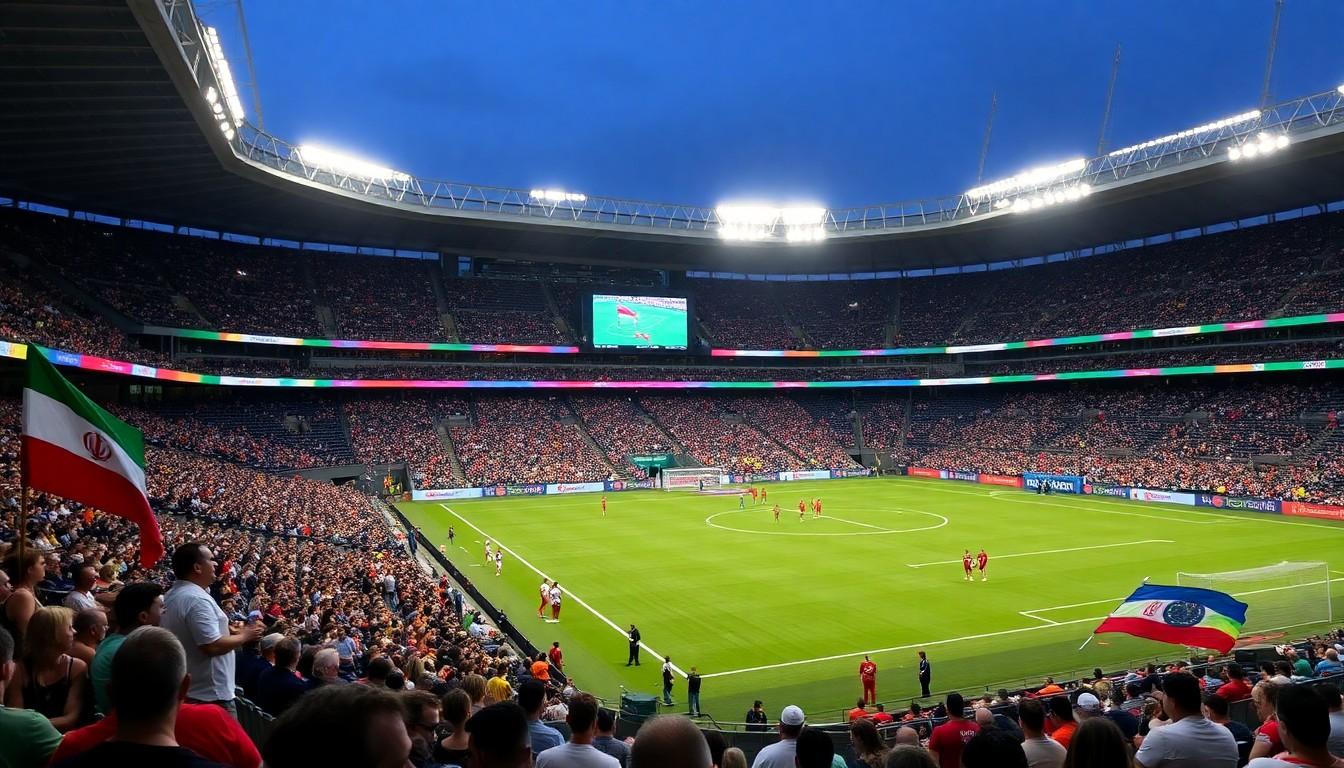
Shoppers and football fans alike are watching as FIFA confirms rainbow flags will be allowed inside Lumen Field for the Iran–Egypt match in Seattle, a decision that matters because it sets a precedent for LGBTQ visibility across World Cup 2026 host cities. This ruling lands against a backdrop of PrideFest and tense objections from the two federations.
Essential Takeaways
- Ruling: FIFA’s Stadium Code of Conduct permits rainbow flags and SOGI symbols inside venues, and the policy will apply across all 16 host cities.
- Pushback: Iran’s federation and the Egyptian FA formally asked FIFA to ban Pride symbols, citing cultural and religious objections.
- Timing: The match coincides with Seattle PrideFest, which draws large crowds and gave the local committee reason to call it a “Pride Match.”
- Broader impact: The decision is a test case for how FIFA will handle LGBTQ-rights visibility, especially in the three Mexican host cities later in the tournament.
- Atmosphere: Expect visible celebration but also designated protest zones outside Lumen Field and a charged stadium vibe.
FIFA sided with its Code of Conduct , what happened in Seattle
FIFA told media outlets that the stadium rules explicitly allow flags representing sexual orientation and gender identity, and that was enough to overrule requests from two member federations. The decision landed with a tactile sense of defiance , flags, banners and colours now legally belong inside the ground. According to coverage in outlets including The Guardian, the ruling followed formal letters from Iran and Egypt asking for restrictions. For local fans this is a relief; for some visiting supporters it will feel like a provocation.
Why this unfolded in Seattle is no accident. The local organising committee had already designated the fixture weekend in December as the city’s Pride Match, and Seattle PrideFest is a major event each June. That overlap made the match into a symbolic flashpoint rather than an isolated football game, and it forced FIFA to clarify how its code operates when cultural sensitivities collide with stadium expression.
Why Iran and Egypt objected , the legal and cultural context
Both nations have strict laws and social norms around same-sex relationships, and their football associations argued the stadium should allow only recognised national flags. Iran’s federation president publicly criticised the planned visibility, and the Egyptian FA wrote to FIFA “categorically rejecting” such activities, a line of protest that Reuters and other outlets reported. Those objections reflect real danger and ostracism back home, but they ran up against FIFA’s stated commitment to inclusion.
Understanding the federations’ stance helps explain the intensity of the row; this isn’t just a PR spat. Human Rights Watch and other groups have reported arrests and crackdowns in both countries, so the sight of rainbow flags at an international fixture can read as both support and political friction. FIFA’s answer rested on the neutral language of its Code of Conduct rather than a moral judgement, but the human stakes remain high for travellers and diaspora communities.
Precedent: how this ruling shapes the rest of World Cup 2026
This is the first big human-rights test at a 48-team World Cup across three countries, and FIFA’s Seattle ruling will likely be cited in future disputes. The code applies equally in the United States, Mexico and Canada, which matters because the three Mexican host cities will stage knockout matches into the late rounds. Observers at Outsports and other outlets have flagged that the decision sets a template for local organisers and security teams , whether they want to or not.
Practically speaking, stadium staff and organisers in Mexico City, Guadalajara and Monterrey now have a clear remit: allow Pride visibility as long as fans comply with the code’s behaviour rules. That makes enforcement more predictable for fans and rights groups, but it doesn’t remove the political theatre , expect protests, counter-protests and a heightened security presence when sensitive fixtures roll through.
What fans and visitors should expect on match day
If you’re heading to Lumen Field, pack for a lively, colourful atmosphere and also for heightened emotion. Seattle has arranged designated protest zones outside the stadium, and the mayor confirmed city plans to manage demonstrations. Inside, rainbow flags and SOGI symbols are permitted so long as they aren’t used to provoke or break other stadium rules; that means no hate speech, no offending banners, and no interference with match officials.
A practical tip: arrive early, know the protest zone locations and respect stewarding instructions. If you’re travelling from abroad and worried about personal safety, reach out to consular services and local LGBTQ groups for advice. For fans who want to show support, simple, low-key ways such as wearing a rainbow wristband are effective and less likely to inflame tensions.
The reaction and what comes next
Gianni Infantino has tried to soften the headline by telling Swiss media there is “no Pride Match” and that local events are unrelated, but the optics are what they are , Seattle’s Pride weekend and an important World Cup fixture overlap. Coverage across outlets shows a split reaction: celebration from LGBTQ advocates and criticism from the federations involved. That split will probably reappear as similar incidents crop up in other host cities.
Looking ahead, the ruling is likely to be a touchstone for rights advocates and a manual for organisers. It doesn’t end the debate, but it gives a working rule book that leans towards inclusion. For many fans, that’s the right call; for others it will remain a contentious moment in a tournament already heavy with politics.
It's a small but significant decision that will shape the look and feel of World Cup 2026 , and the conversations around it.
Source Reference Map
Story idea inspired by: [1]
Sources by paragraph: