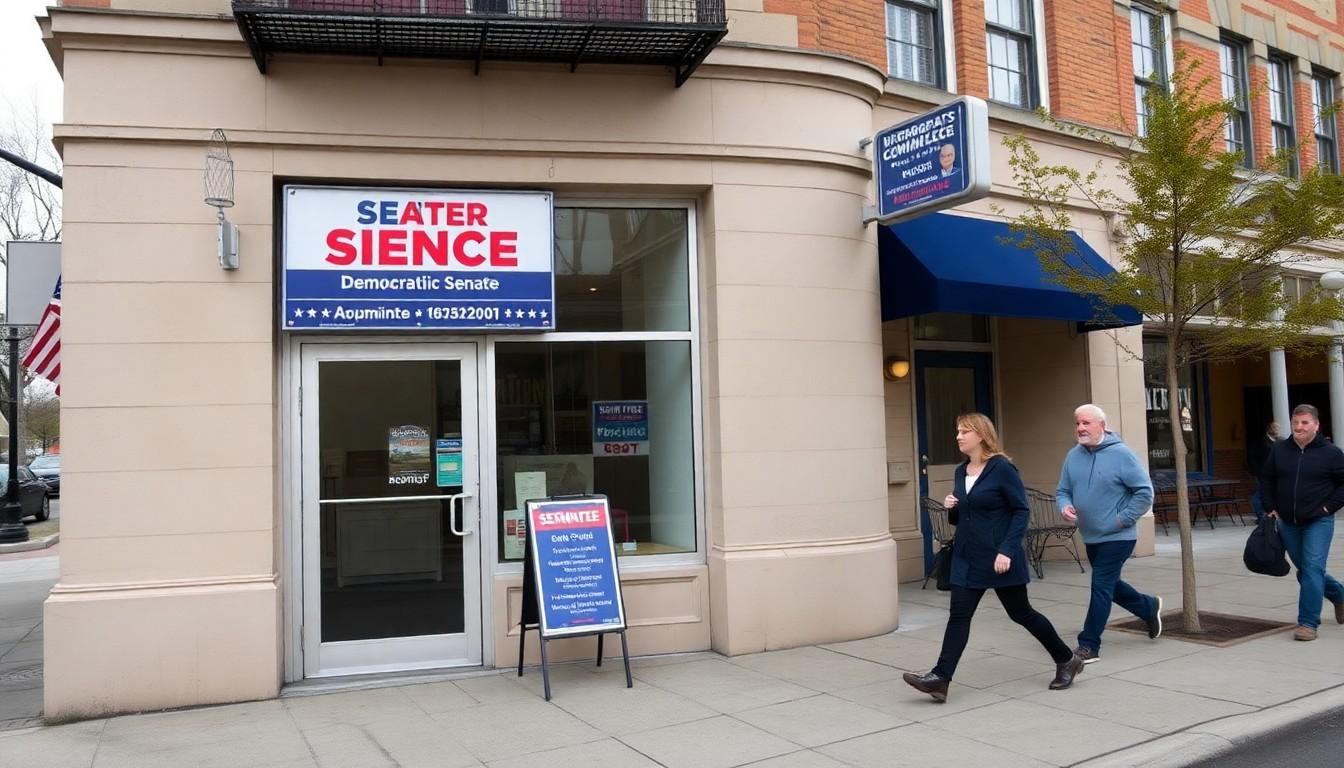
Watchful voters are rallying as top Democrats push back on silence , Representative Pramila Jayapal and Senate hopeful Graham Platner are making trans rights central again, arguing that defending transgender people is both moderate and necessary as anti-LGBTQ+ bills spread across state and federal chambers.
Essential Takeaways
- Strong stance: Rep. Pramila Jayapal says Democrats must stop downplaying trans issues and treat trans rights as mainstream, not fringe.
- Campaign courage: Maine nominee Graham Platner won a national transgender-rights PAC endorsement and vows to resist federal attacks.
- Policy pressure: House Republicans advanced higher-education bills that advocates warn could permit discrimination against LGBTQ+ students.
- Legal fallout: Courts on both coasts are weighing transgender prisoners’ rights amid shifting federal prison policies.
- Practical stakes: These fights affect real people , students, incarcerated people, and families , and courts and legislatures will shape daily life.
Jayapal’s blunt message: stop sidestepping trans issues
Rep. Pramila Jayapal doesn’t mince words when she says her party too often retreats from controversy, especially on LGBTQIA+ matters, and she finds that approach unacceptable. Her voice comes through as frustrated and resolute; you can almost hear the impatience at the thought of quiet compromises.
The backstory is familiar to anyone who watches party politics: when a topic looks risky, campaigns and caucuses sometimes opt for silence. According to The Advocate interview, Jayapal argues that defending marginalised groups is neither extreme nor political theatre , it’s a baseline responsibility. That line matters in an era when cultural fights are being legislated.
For voters wondering what this means on the ground, it changes messaging. Prominent Democrats who follow Jayapal’s lead will push for explicit protections and public debate, rather than coded language. That can shift primaries and influence which bills get prioritised.
Expect more lawmakers to be forced off the fence. If Jayapal’s view takes hold, the party could reshape how it talks about rights , louder, clearer, and less apologetic.
Graham Platner’s campaign ties civil rights to everyday freedom
Maine Senate nominee Graham Platner has made trans rights a centerpiece of his campaign and secured a national transgender-rights PAC endorsement as a result. His pitch is simple and rhetorical: defending one group’s rights defends everybody’s.
Platner’s stance matters because the race is nationally watched and could set a tone for how candidates frame civil-rights issues in swing states. Unlike cautious moderates, he’s embracing controversy and courting voters who want principled clarity.
Campaigns like Platner’s show a trend: some Democrats are betting that firm civil-rights language wins trust with core constituencies and persuades independents tired of hedging. For practical voters, endorsements and firm platforms give a clearer signal about where candidates will stand in Congress on legislation affecting schools, prisons, and federal policy.
If the race tightens, expect national groups and donors to pour in , both for and against him , turning the contest into a proxy for the wider culture wars.
What the House action means for trans students and campuses
This week House Republicans advanced two higher-education bills that critics say would open the door to discrimination against LGBTQ+ students. The Congressional Equality Caucus warned the measures could have chilling effects on campus life and student services.
The immediate concern is practical: policies that change funding or non-discrimination rules can force colleges to rethink counselling, housing and single-sex facilities. Students who already feel vulnerable might be pushed further to the margins, and colleges would face new legal and administrative headaches.
For parents and students choosing universities, this is concrete: review institutional policies, campus resources, and how administrations respond publicly. Advocacy groups advise checking student handbooks and talking to campus LGBTQ+ offices before enrolling or supporting a school.
Politically, this is a test of priorities. Will lawmakers treat campus protections as essential, or as bargaining chips in broader culture battles? How parties answer will shape higher education for years.
Courts, prisons and the long legal fight
As campaigns and legislatures clash, courts are also deciding critical questions , including the rights of transgender prisoners and how federal prison policies should apply. Judges on both coasts are weighing cases that could set important precedents.
Legal fights are slower and messier than headlines, but they’re decisive. Court rulings can protect or strip rights independent of shifting legislative majorities, and they have immediate effects on people in custody and on the policies of correctional systems.
For citizens who want to help, legal charities and local civil-rights groups need donations and volunteers. Following court filings and supporting organisations that provide legal counsel is a practical way to make a difference while the news cycle moves on.
Expect litigation to remain central. Even if Congress or statehouses pass laws, the courts will be the arena where many of those laws are tested and, sometimes, overturned.
Why this matters beyond party labels
At stake isn’t just headline-grabbing culture war politics, it’s the daily dignity and safety of people , students, incarcerated people, families, workers. Jayapal and Platner are asking a simple question: do we stand for equal treatment or do we pick and choose who counts?
That framing matters because it reframes political courage as basic decency. Voters who care about fairness may find this approach persuasive, and candidates who adopt it are signalling commitment rather than convenience.
If you want to act locally, contact your representatives about campus protections, support legal organisations handling prison cases, and back candidates whose platforms match your values. Small steps , letters, calls, donations , translate into pressure that moves policy.
It's a small change that can make daily life safer and fairer for many people.
Source Reference Map
Story idea inspired by: [1]
Sources by paragraph: