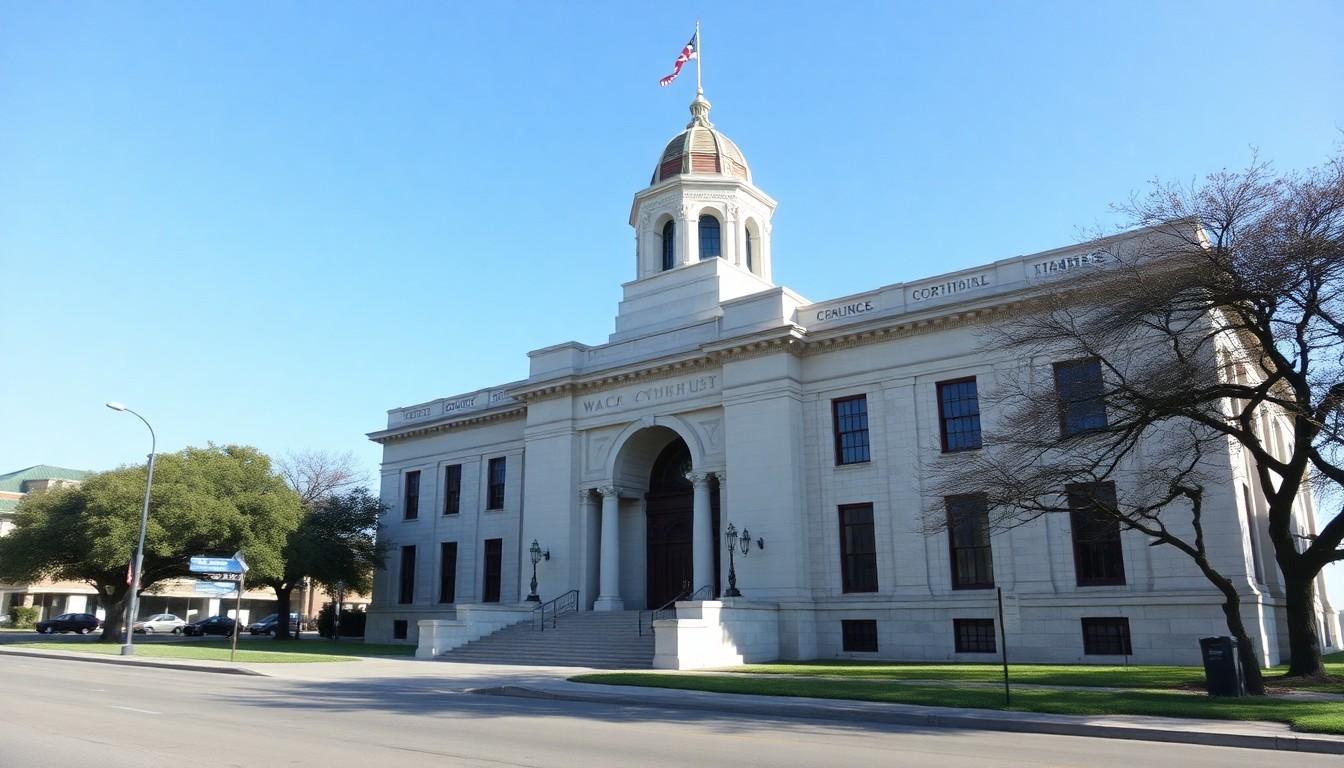
Shoppers for headlines and readers alike are parsing a major Texas court decision: a Waco judge has been awarded $640,000 after she refused to officiate same-sex weddings on religious grounds. The ruling touches on religious freedom, judicial conduct and what it means for couples seeking marriage equality in Texas.
Essential Takeaways
- Verdict and award: A district court ordered $10,000 in damages plus $630,000 in attorney fees for Judge Dianne Hensley.
- Why it started: The dispute began after the Texas Commission on Judicial Conduct warned Hensley for refusing to marry same-sex couples.
- Legal teams: Hensley was represented by First Liberty Institute, which argued religious‑freedom protections under state law.
- Local ripple effects: Some justices of the peace stopped performing any weddings after the Obergefell ruling; related suits seeking lost income continue.
- Public reaction: LGBTQ advocates call the ruling discriminatory, while supporters frame it as vindication of conscience rights.
What happened, simply put
A Waco judge who declined to officiate same-sex weddings because of her evangelical Christian beliefs sued after a state disciplinary body issued a public warning. A district court has now entered final judgment in her favour, awarding modest damages and six-figure attorney fees. The decision landed with a quiet legal thud that nonetheless has loud social echoes, because it mixes faith, judicial ethics and same-sex marriage law.
How we got here: the legal and personal backstory
The story traces back to Obergefell, the 2015 U.S. Supreme Court decision that made same-sex marriage a constitutional right in every state. In the immediate aftermath, many local judges in Waco stopped performing all marriages to avoid being forced into officiating same-sex unions. Hensley chose to perform only opposite-sex marriages and set up a referral system for same-sex couples. When the Texas Commission on Judicial Conduct warned that her policy might violate impartiality rules, she sued , and pursued broader legal fights during the dispute, including a bid in federal court that challenged same-sex marriage protections.
The legal arguments and the players involved
First Liberty Institute defended Hensley, citing the Texas Religious Freedom Restoration Act and arguing her refusal was protected by conscience and religious freedom. The state commission argued judicial impartiality and public-duty standards were being compromised. The district court’s final judgment granted Hensley $10,000 in damages and $630,000 to cover legal fees, a result that supporters called vindication and critics labelled state-sanctioned discrimination.
Why this matters beyond Waco
At face value the award is about one judge’s conduct and legal costs, but it also signals how state and private legal groups are testing the boundaries between religious liberty and equal treatment under the law. Similar suits are underway: some justices of the peace claim they lost substantial income by refusing to perform marriages and are seeking millions in damages, while other cases nationwide press for religious exemptions in public duties. Expect continued litigation and sharper lines drawn at county courthouses.
What couples and local officials should know now
If you’re a couple planning a wedding in Texas, this ruling doesn’t change the constitutional right to marry, but it may affect how easy it is to find an official willing to perform the ceremony in certain counties. For public officials, the case offers a reminder to review local policies, referral procedures and disciplinary guidance. Practically, couples should check civic websites for officiant availability and have a backup plan; officials should document recusals and referrals to reduce procedural disputes.
It's a small change that can make every ceremony safer and more predictable for everyone involved.
Source Reference Map
Story idea inspired by: [1]
Sources by paragraph: