Shoppers of ideas are reading rulings this Pride month: courts in Mexico and the United States reached opposite conclusions about conversion therapies, and the contrast matters for rights, public health and how we protect children. This piece explains the legal split, the human stakes, and what it means for families and policymakers.
Essential Takeaways
- Mexican court emphasis: The Suprema Corte focused on dignity and protection, ruling parental consent or lack of criminal liability can’t justify conversion therapies for minors; victims need safeguarding and equality.
- US court emphasis: The US Supreme Court decision prioritised free speech and professional expression, leaving states broader discretion to regulate or permit such therapies.
- Health risks highlighted: International and medical bodies link conversion practices to depression, anxiety and suicidal thoughts, and see them as ineffective and harmful.
- Practical tip: If you’re a parent or guardian, seek licensed, affirmative mental-health care and ask clinicians about evidence-based approaches before consenting to any intervention.
- Emotional cue: These rulings aren’t abstract , they shape whether young people can grow without being told their identity is a problem.
What the Mexican ruling changes , dignity over consent
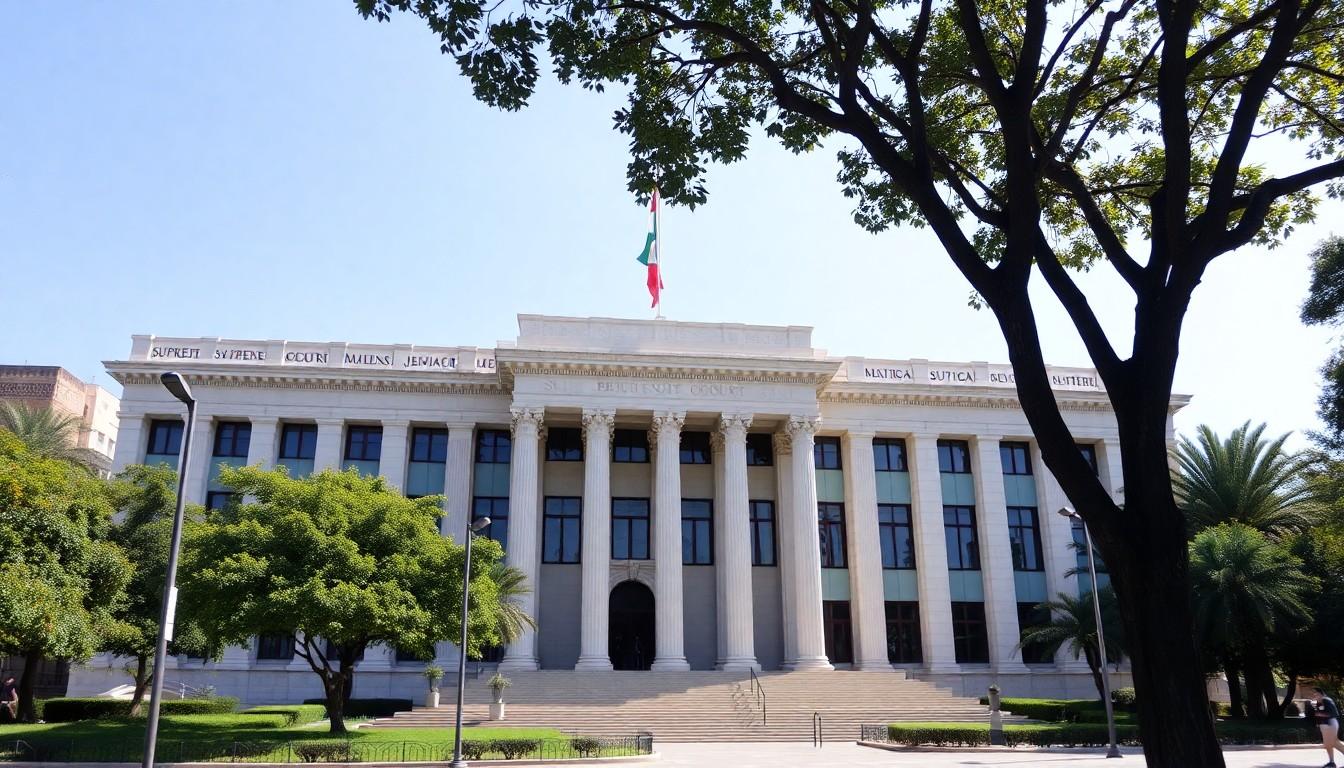
Mexico’s high court made a clear statement that parental consent doesn’t erase the harm of conversion interventions, especially for children and adolescents. The decision struck down provisions that would have reduced responsibility for parents or providers, and refused to treat consent as an escape hatch for practices that aim to change core aspects of identity. That line draws on human-rights reasoning: rights exist to protect minorities, not to force them into conformity. For families, it means legal cover for refusing conversion approaches and a nudge toward protective, affirmative care for young people. Expect policymakers and clinics to reassess codes of conduct and training in response.
The US split , speech protections reshaping regulation
By contrast, a recent US Supreme Court outcome put the spotlight on freedom of expression for mental-health professionals, finding that some prohibitions could improperly limit how clinicians talk with patients. That decision effectively grants states wider latitude to decide whether to ban, restrict or allow conversion practices, rather than imposing a single national rule. Practically, that patchwork approach creates different realities across state lines: some places keep bans that protect minors; others may permit or tolerate such interventions. For families considering care, this means checking local laws and choosing providers who follow evidence-based, ethical standards.
Why medical consensus matters , harms, not cure
Across jurisdictions, medical and health authorities have been consistent: conversion therapies are not scientifically supported and they’re associated with harms such as increased depression and suicidal ideation. The premise that sexual orientation or gender identity is a pathology is outdated in mainstream science. So the debate isn’t purely legal , it’s about whether public policy accepts established health evidence. Parents and clinicians should prioritise affirmative, non-coercive approaches that support wellbeing rather than attempting to “fix” identity.
Children first , legal protection and practical choices
When minors are involved, courts and child-protection bodies tend to weigh harm and vulnerability more heavily. Mexico’s ruling explicitly elevates that obligation, treating attempts to change a youth’s identity as an affront to their dignity and equality. If you’re a guardian worried about a child’s mental health, seek therapists who subscribe to paediatric and psychiatric guidelines, ask for treatment plans in writing, and get second opinions. Schools and local health services can be allies in identifying safe, supportive resources.
The wider picture , law, culture and everyday life
These court decisions reflect different balances between individual liberty and protection against harm. One prioritises shielding people , especially vulnerable youths , from interventions that negate identity. The other underscores expressive freedom for professionals, with the consequence that protections depend more on local politics. For communities and advocates, the next steps are clear: keep pressing for policies that follow health evidence, strengthen training for clinicians, and build support networks so young people don’t face isolation or coercion. Laws shape behaviour, but culture and care do the everyday work of inclusion.
It's a small legal shift with big human effects , choose clinicians and laws that protect dignity.
Source Reference Map
Story idea inspired by: [1]
Sources by paragraph: