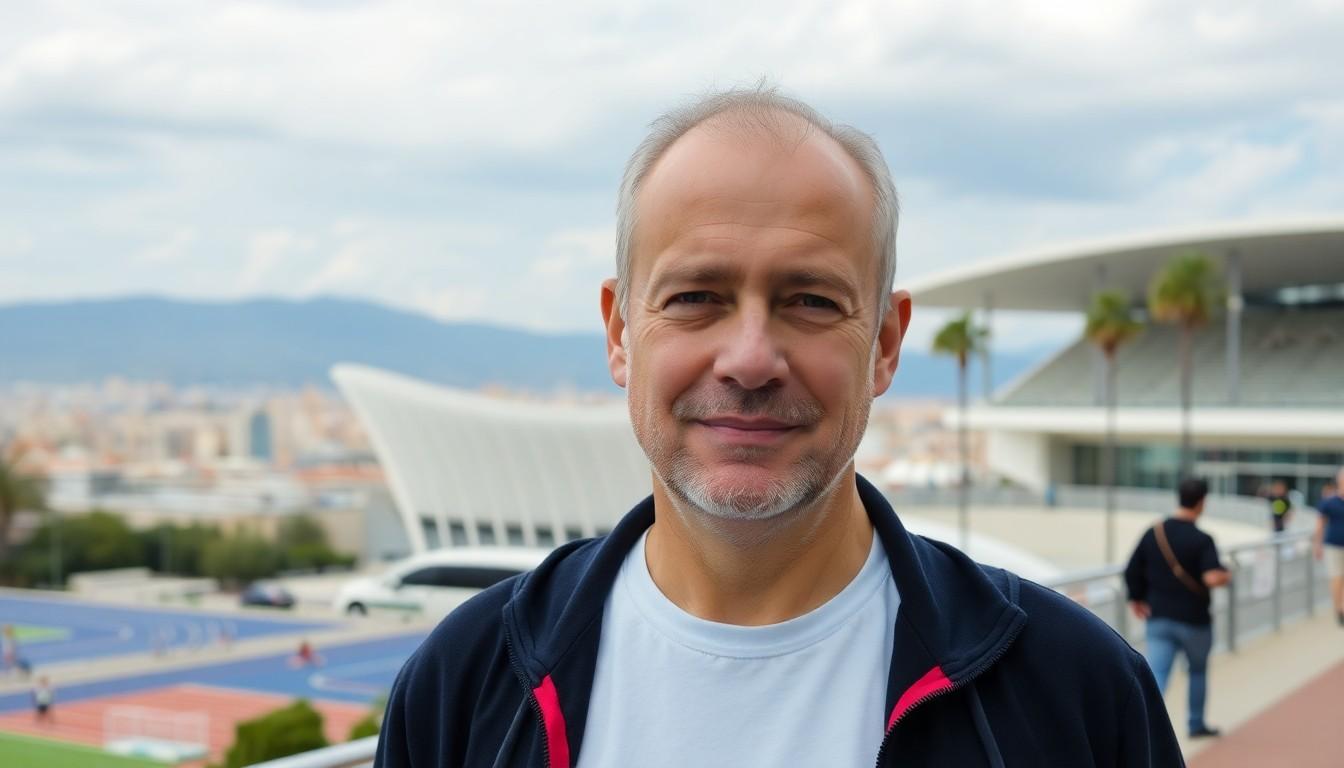
Shoppers of inspiration are lining up , Stef Vachon, the French-Canadian figure skater and multiple gold medallist, is heading to València for the Gay Games XII in 2026. He’s back after a 20-year competitive break, skating through illness and recovery to celebrate identity, family and visibility.
Essential Takeaways
- Veteran competitor: Stef Vachon won multiple golds at past Gay Games and World Outgames and is entering València 2026 at age 57.
- Health and comeback: He was diagnosed with fibromyalgia last year but says skating is now part of his healing and self-care.
- Community work: Vachon hosts the Together Moving Forward podcast and gives keynotes about moving from survival to self-love.
- Visibility matters: Returning to competition at 57 is a statement on belonging, resilience and LGBTQ+ representation in sport.
- Practical note: He’s skating for presence and joy rather than medals, and skating with his son reignited his love of the ice.
A return that feels like coming home
Stef Vachon’s decision to compete again reads less like a sporting comeback and more like a personal homecoming, full of warmth and a little nervous excitement. He tells stories of the ice feeling familiar and healing, a place that once sheltered him from relentless bullying and later became a stage for his professional life. According to recent interviews, that sense of reconnection , especially after teaching his son to skate , is what pushed him to sign up for València.
Figure skating has been both refuge and battleground for Vachon: as a child it offered joy and confidence, but as he grew up it also exposed him to homophobia and abuse. Returning now, he’s not chasing approval; he’s reclaiming joy. That shift mirrors a wider trend in sport where athletes return at older ages to compete for wellbeing and identity, not just podiums.
A decorated history with the Gay Games and Outgames
Vachon’s competitive past reads like a highlight reel of queer sporting milestones. He won two gold medals at the 1994 Gay Games in New York and again triumphed at the 2006 World Outgames in Montreal. He also took part in the first same-sex pairings at major events, performing with partners such as Olympian Charles Sinek and Konstantin Mironov.
Those early appearances were more than medals; they were moments of visibility and community. When competitions were cancelled or altered , as happened in Amsterdam in 1998 due to political and governing-body tensions , athletes still found ways to make their sport and their stories visible. For Vachon, those memories are part of why the Gay Games feel like the right stage to return to.
From survival to self-love: why the podcast and speaking work matters
Off the ice, Vachon has channelled his experiences into creating space for others. He hosts Together Moving Forward, a podcast that invites honest conversations about identity, healing and resilience. He also delivers a keynote titled From Survival to Self-Love, sharing practical steps that helped him move from shame to pride.
That kind of community-facing work is increasingly common among retired or semi-retired athletes who want to share tools, not just trophies. Listeners and audiences say his tone is empathetic and pragmatic , the sort of voice that helps people feel seen and less alone. For readers thinking about mental health or community work, Vachon’s path shows how sporting platforms can become vehicles for wider social support.
Health, ageing and competing later in life
Vachon was diagnosed with fibromyalgia last year, a reality that might have pushed others away from physical competition. Instead, he frames skating as part of his healing toolkit: movement that honours boundaries and celebrates presence. That’s a useful reminder for anyone dealing with chronic illness , participation can be adapted and meaningful without being all-or-nothing.
This return also joins a growing conversation about older athletes and visibility. Competing at 57, Vachon offers a visible counterpoint to ageist assumptions in sport. If you’re thinking of returning to an old hobby at any age, start small, listen to your body and, if needed, work with coaches who understand health conditions.
What València 2026 could mean beyond medals
The València Gay Games will be more than competitions; they’ll be a space of reunion, protest and celebration. Vachon’s presence there is a reminder that sport can be a catalyst for personal and collective transformation. He’s not promising gold so much as integrity: skating with honesty, teaching his son, and helping others through public storytelling.
For the LGBTQ+ community, having veteran athletes compete sends a signal that visibility spans generations. For newcomers to skating, it shows you can pick up the blades again and find something tender and true. And for sports fans, it adds another rich storyline to València’s festival of visibility.
It’s a small change that can make every comeback feel like a reclaiming.
Source Reference Map
Story idea inspired by: [1]
Sources by paragraph: