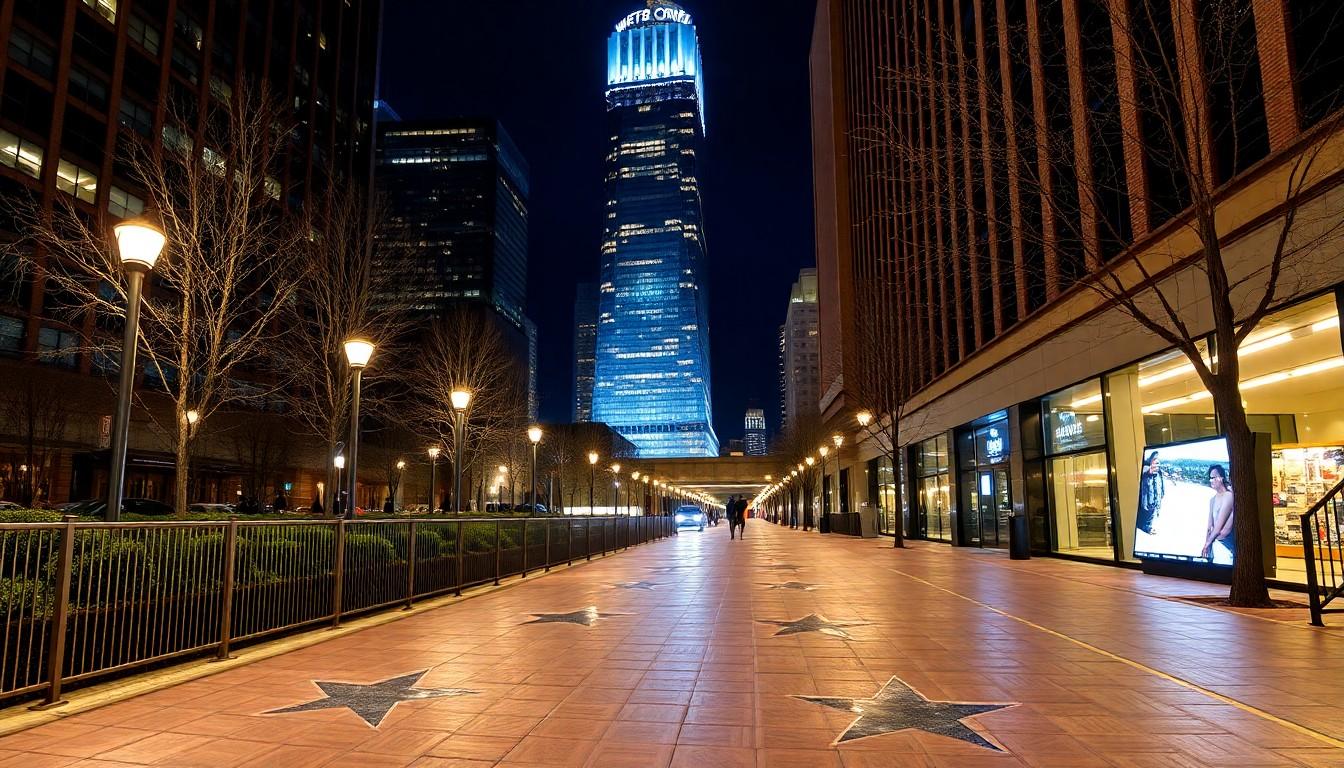
Discover iconic Chicago queer landmarks this Pride Month , from Halsted’s Legacy Walk to the Belmont AIDS Garden , and learn why these parks, clubs and homes matter to local history, memory and community life. Plan a walkable route, expect unexpected stories, and bring your curiosity.
- Legacy Walk: A half-mile Northalsted stroll with art-deco pylons and bronze plaques honouring queer figures; tactile, visual and easy to explore on foot.
- AIDS Garden Belmont: Centrepiece Keith Haring sculpture and landscaped memorial sits where the Belmont Rocks once hosted gay celebrations; quiet, reflective and riverside.
- Warehouse & House Music: The West Loop site where Frankie Knuckles helped invent house music , a high‑energy cultural origin point with historical gravitas.
- Jeffery Pub & South Side queer life: A Black-owned, welcoming nightlife staple in South Shore that feels intimate, community-centred and enduring.
- Historic homes & institutions: Sites like the Henry Gerber House, Pearl Hart’s home and the Jane Addams Hull-House offer legal, activist and queer domestic histories you can physically trace.
Start at Halsted: the Legacy Walk’s plaques and pride pylons
The Legacy Walk is the most literal way to walk queer history in Chicago, with 20 rainbow pylons and bronze plaques lining Halsted Street. The display is tactile and visual , you can read names, dates and short bios as you stroll north through Lakeview. According to the Legacy Project, this was built as a public monument to queer figures and has grown since its 2012 unveiling, with organisers adding honourees over time. It’s an easy, accessible starting point for a Pride-month route and feels celebratory rather than solemn. If you’re planning a visit, wear comfortable shoes and pick up a map from local community groups or the walk’s website; it’s designed to be a walking tour. And if you love small discoveries, pause at each plaque , there are surprises in the lineup, from activists to artists.
Remembering the Belmont Rocks now at the AIDS Garden Belmont
The Belmont shoreline now hosts the AIDS Garden Belmont, framed around Keith Haring’s 30-foot Self-Portrait sculpture and designed as a memorial and gathering place. The site preserves memory where the Belmont Rocks once drew gay picnics, parties and community life in an era when gay venues were hidden and furtive. The garden opened as a Park District and Chicago Parks Foundation collaboration to honour people lost to HIV/AIDS and to reclaim a joyful, bittersweet gathering place. Places like this offer a sensory mix: the hush of landscaping, the boldness of public art, and the open lake breeze. Plan to visit midweek if you want quiet reflection; weekends are livelier. The garden also works well in a route that pairs Northalsted’s Legacy Walk with nearby lakefront views.
Where the sound of house music began: the Warehouse and Frankie Knuckles’ legacy
You can still feel the beat when you read about the Warehouse, the 1977 members-only club credited with helping birth house music. The venue was a safe space for Black and Latine queer people who wanted to dance without fear, and DJ Frankie Knuckles’s mixes blended disco, R&B and early electronic sounds into something new and liberating. The Warehouse building carries landmark status, and its story is central to Chicago’s cultural exports. Visiting the West Loop site is less about a museum visit and more about standing where a cultural revolution took shape , imagine the pounding rhythm and the crowd’s energy. For music fans, pairing this stop with other West Loop cultural sites makes a compact, meaningful afternoon.
South Side resilience: Jeffery Pub and community-rooted nightlife
South Shore’s Jeffery Pub is one of the increasingly rare Black-owned LGBTQ+ bars still operating in Chicago, and it matters in a practical, emotional way. Owner-run, community-centred venues like this create safe havens where queer people of colour can socialise across generations. The bar has hosted political events and campaign nights as well as weekend gatherings, which shows how nightlife and civic life often overlap in queer communities. It’s the kind of place where people thank the owner for keeping the lights on , a live, human reminder of what’s at stake when such spaces vanish. If you go, expect a warm, lived-in atmosphere rather than tourist gloss. Support local spots by buying a drink, picking up a flyer or asking about the venue’s history.
Homes and institutions that shaped rights and culture
Chicago’s queer history isn’t only in clubs and parks; it’s in houses and institutions. The Henry Gerber House in Old Town marks the birthplace of the Society for Human Rights, an early 1920s advocacy effort that published Friendship and Freedom and faced raids and repression. Standing outside Gerber’s home is a reminder of how fragile early organising was , and how persistent activists were. Nearby, the Pearl Hart House and the Gerber/Hart Library connect legal advocacy, community resources and archival memory, while the Jane Addams Hull-House museum tells a longer story of social reform and a queer domesticity that scholars have noted in Addams’s life. Visiting these sites offers a different pace: quieter, reflective, and rich in documents and personal stories. Bring curiosity and a notebook; many of these places reward slow reading and a willingness to imagine the past lived at street level.
Plan your route and what to expect this Pride Month
Put together a route that mixes a visual walk on Halsted, the lakeside quiet of the AIDS Garden Belmont, and one or two deeper stops , a club site or a historic home. Chicago’s public transit and compact neighbourhoods make this doable in a day, or mellow enough to spread across a weekend. Check opening times for museums and private sites, respect residential neighbourhoods when visiting historic homes, and consider guided tours from local LGBTQ+ organisations for extra context. If you want to support preservation work, look into donations or memberships for local archives like Gerber/Hart. Ultimately, these landmarks show that queer history is public history , it’s lived in parks, clubs and ordinary houses , and visiting them is a way to see how the present grew from these tangible places.
It's a small change , map a walk, listen, and let the city tell you its queer stories.
Source Reference Map
Story idea inspired by: [1]
Sources by paragraph: